Japan’s Crucial Rate Hike Threatens Bitcoin Liquidity and Global Risk Assets
BitcoinWorld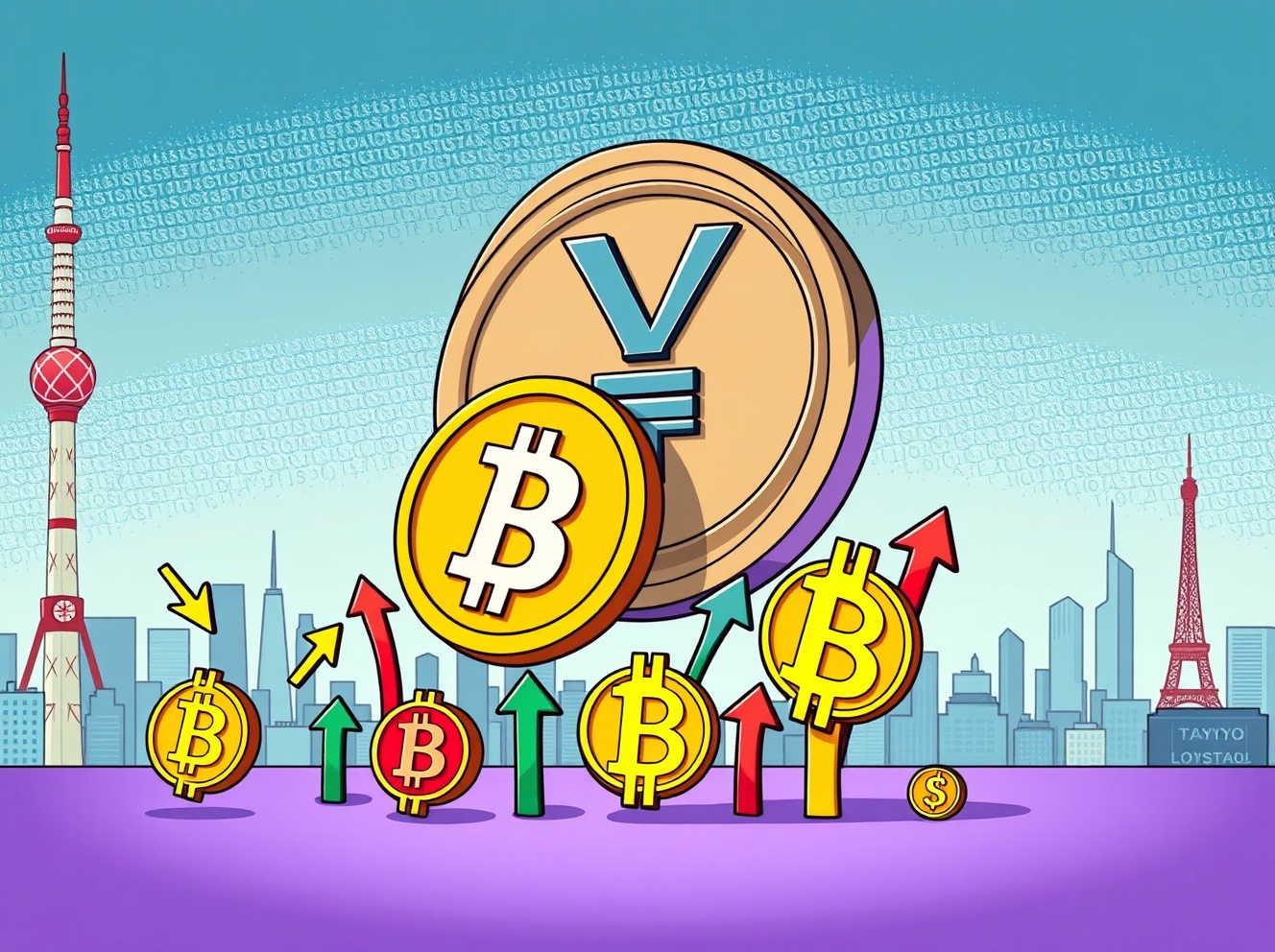
Japan’s Crucial Rate Hike Threatens Bitcoin Liquidity and Global Risk Assets
Global cryptocurrency investors are facing a pivotal moment as Japan’s central bank prepares for a historic policy shift. An expected interest rate hike from the Bank of Japan could significantly tighten the liquidity that has recently fueled Bitcoin’s recovery and other risk assets worldwide. This potential Japan rate hike Bitcoin liquidity squeeze stems from the unwinding of a decades-old trading strategy, creating new challenges for market participants.
How Could a Japan Rate Hike Squeeze Bitcoin Liquidity?
The Bank of Japan (BOJ) is anticipated to raise its benchmark interest rate by 25 basis points at its December policy meeting. This would mark the highest level since 1995, ending an era of ultra-low rates that has persisted for years. The direct mechanism affecting Bitcoin liquidity involves what traders call the “yen carry trade.”
For years, investors borrowed Japanese yen at near-zero rates to invest in higher-yielding assets globally, including:
- Cryptocurrencies like Bitcoin
- Emerging market stocks
- High-yield bonds
- Other speculative assets
This massive flow of cheap Japanese capital created abundant liquidity in risk markets. However, a Japan rate hike makes borrowing yen more expensive, potentially forcing investors to unwind these positions and repatriate funds.
What Is the Yen Carry Trade and Why Does It Matter?
Imagine borrowing money at 0% interest and investing it elsewhere for potentially higher returns. That’s essentially the yen carry trade in simple terms. This strategy has been extraordinarily profitable because Japan maintained the world’s lowest interest rates while other economies offered better yields.
The Japan rate hike changes this calculus dramatically. As borrowing costs rise in Japan, the trade becomes less attractive. More importantly, a stronger yen typically coincides with what traders call “risk-off” sentiment—when investors become cautious and pull money from volatile assets.
This creates a double-whammy for Bitcoin liquidity:
- Cheap funding dries up as yen borrowing costs increase
- Risk aversion leads to selling pressure on speculative assets
How Does This Timing Affect Global Markets?
The situation becomes particularly intriguing because markets face conflicting central bank policies. While Japan prepares to raise rates, the U.S. Federal Reserve is expected to begin cutting rates next year. This policy divergence could create unusual market dynamics.
Investors who positioned themselves for continued easy money from Japan now face a reckoning. The potential Japan rate hike Bitcoin liquidity impact comes just as cryptocurrency markets showed signs of recovery. This tightening of financial conditions could therefore test the resilience of recent gains.
Market analysts note that while traders already anticipate the BOJ’s move, the actual implementation often triggers position adjustments that can be more dramatic than expected. The unwinding of carry trades tends to happen quickly once momentum shifts.
What Should Crypto Investors Watch For?
Navigating this changing landscape requires attention to specific indicators. First, monitor the yen’s strength against major currencies like the U.S. dollar. A rapidly appreciating yen often signals carry trade unwinding is underway.
Second, watch for volatility spikes in cryptocurrency markets, particularly during Asian trading hours. The Japan rate hike could create disproportionate effects during Tokyo market sessions.
Finally, consider these practical steps:
- Review portfolio allocations to risk assets
- Monitor liquidity indicators like trading volumes and bid-ask spreads
- Prepare for increased volatility around the December BOJ meeting
- Diversify funding sources if using leverage
Conclusion: A New Era for Global Liquidity
The potential Japan rate hike Bitcoin liquidity connection highlights how interconnected global financial markets have become. What happens in Tokyo boardrooms now directly affects cryptocurrency traders worldwide. While markets have anticipated this shift, the actual unwinding of the yen carry trade could create unexpected turbulence.
Successful navigation of this environment requires understanding these global linkages rather than focusing solely on cryptocurrency-specific news. The era of unlimited cheap Japanese money appears to be ending, potentially ushering in a new chapter for risk asset investing where fundamentals matter more than abundant liquidity.
Frequently Asked Questions
What is the yen carry trade?
The yen carry trade involves borrowing Japanese yen at low interest rates to invest in higher-yielding assets elsewhere. This strategy has provided cheap funding for risk assets globally for decades.
How exactly would a Japan rate hike affect Bitcoin?
A rate hike makes borrowing yen more expensive, potentially forcing investors to sell Bitcoin and other risk assets to repay their yen loans. This selling pressure could reduce liquidity and create downward price pressure.
When is the Bank of Japan expected to raise rates?
Most analysts anticipate a rate hike at the BOJ’s December policy meeting, though the exact timing could shift based on economic data and market conditions.
Could other cryptocurrencies be affected too?
Yes, all risk assets that benefited from cheap yen funding could face pressure. This includes other cryptocurrencies, emerging market stocks, and high-yield bonds.
How long might these effects last?
The initial adjustment period could last several weeks as positions are unwound. However, the longer-term impact depends on whether this marks the beginning of a sustained tightening cycle in Japan.
What should I do with my crypto investments?
Consider reviewing your risk exposure, ensuring adequate diversification, and preparing for potentially higher volatility around the BOJ decision date. Avoid panic selling but be cautious about adding leverage.
Found this analysis helpful? Share this article with fellow investors on social media to help them understand how Japan’s monetary policy could impact cryptocurrency markets. Knowledge sharing makes our community stronger and better prepared for market shifts.
To learn more about the latest cryptocurrency market trends, explore our article on key developments shaping Bitcoin price action and institutional adoption.
This post Japan’s Crucial Rate Hike Threatens Bitcoin Liquidity and Global Risk Assets first appeared on BitcoinWorld.
You May Also Like

Why AI Is Becoming Core Financial Infrastructure

CFTC Chairman Reveals Crucial Role In Authenticating AI-Generated Content