

House of Reps summons Access, Zenith and GTBank CEOs over unauthorised account deductions
The House of Representatives has summoned the CEOs of GTBank, Zenith Bank, and Access Bank to appear before its investigative panel following allegations of unauthorised deductions from customers’ accounts. The committee, chaired by Kelechi Nwogu, is looking into the charges applied to civil servants, public employees, and other account holders.
Speaking during Tuesday’s session in Abuja, Nwogu emphasised that bank CEOs must appear in person.
“You cannot appear here without an identity. We are not here on our own. We are here on the mandate of the people who elected us into parliament,” he said.
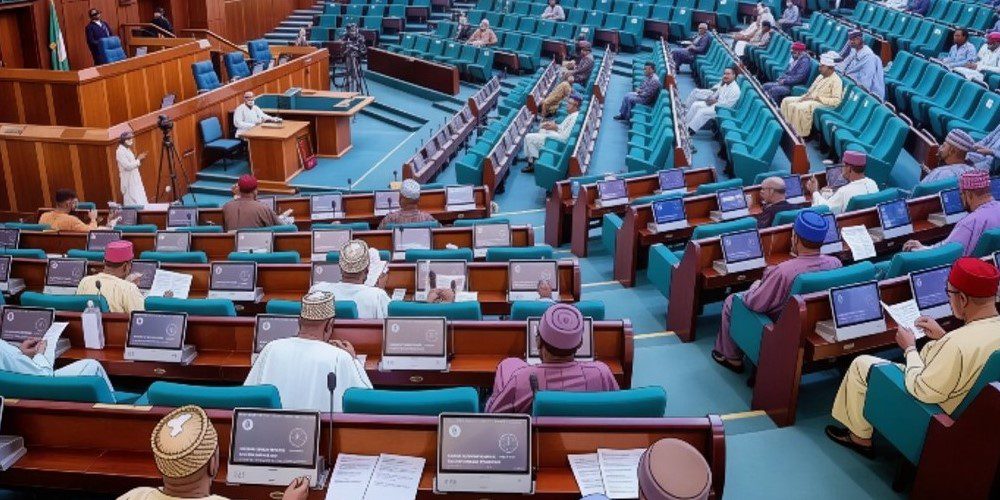 House of Reps
The panel has given the banks a four-day ultimatum to submit all necessary documents before the next meeting scheduled for Wednesday. Nwogu warned that any bank failing to comply risks facing sanctions. “We will review all the documents, and we will place you under oath,” he added.
Direct accountability at the top from the bank CEOs
The committee’s insistence on the personal appearance of the CEOs underscores its commitment to transparency and accountability at the highest levels of Nigeria’s banking sector. In addition to the banks, the investigation also involves the Ministry of Finance, the Office of the Accountant General, and the EFCC, which is responsible for tracking deductions and ensuring compliance.

“Commercial banks are perpetrating illegality by deducting inexplicable charges from civil servants, public servants, and other customers’ accounts without remittances,” Nwogu said.
By requiring top executives to answer directly, the House aims to establish clear responsibility for the charges and prevent evasions through proxies.
Also read: NCC Uncovers Forceful Deductions by Telcos, to Order Refund to Affected Subscribers
The four-day deadline comes with specific consequences. Failing to submit the requested documents or appear before the panel may lead to sanctions, increasing pressure on banks to comply fully and promptly.
For customers, the investigation provides an opportunity to understand why certain deductions occurred and if they were lawful. For the banks, it is a crucial moment to showcase compliance, rebuild trust, and avoid penalties.
“The panel is not leaving any stone unturned to unravel why the commercial banks engaged in spurious deductions from their customers’ accounts,” Nwogu concluded, signaling a no-nonsense approach to the probe.


You May Also Like

Iran agrees to hand over enriched uranium stockpile ahead of Islamabad talks

Flutterwave partner Kulipa secures $6.2 million to bring Stablecoin-funded payment cards to Nigeria




