Uber Expands India Footprint With New Logistics and Metro Ticketing Push
TLDRs;
- Uber launches ONDC-powered logistics and metro ticketing in Bengaluru, strengthening its multi-service footprint across India’s major cities.
- New Uber Direct service allows drivers to fulfill grocery deliveries for major brands, with food delivery expansion imminent.
- ONDC’s growing API ecosystem positions Uber to tap into India’s fragmented logistics market amid rising merchant efficiency demands.
- Uber’s move may help alleviate ONDC’s participation gaps while intensifying competition in India’s $6.65 billion logistics sector.
Uber is widening its operational footprint in India with the rollout of a new B2B logistics service and a metro ticketing feature in Bengaluru, marking one of its most significant multi-sector expansions in the country to date.
The move, enabled through a collaboration with the Open Network for Digital Commerce (ONDC), positions the ride-hailing company deeper inside India’s sprawling delivery and mobility ecosystem.
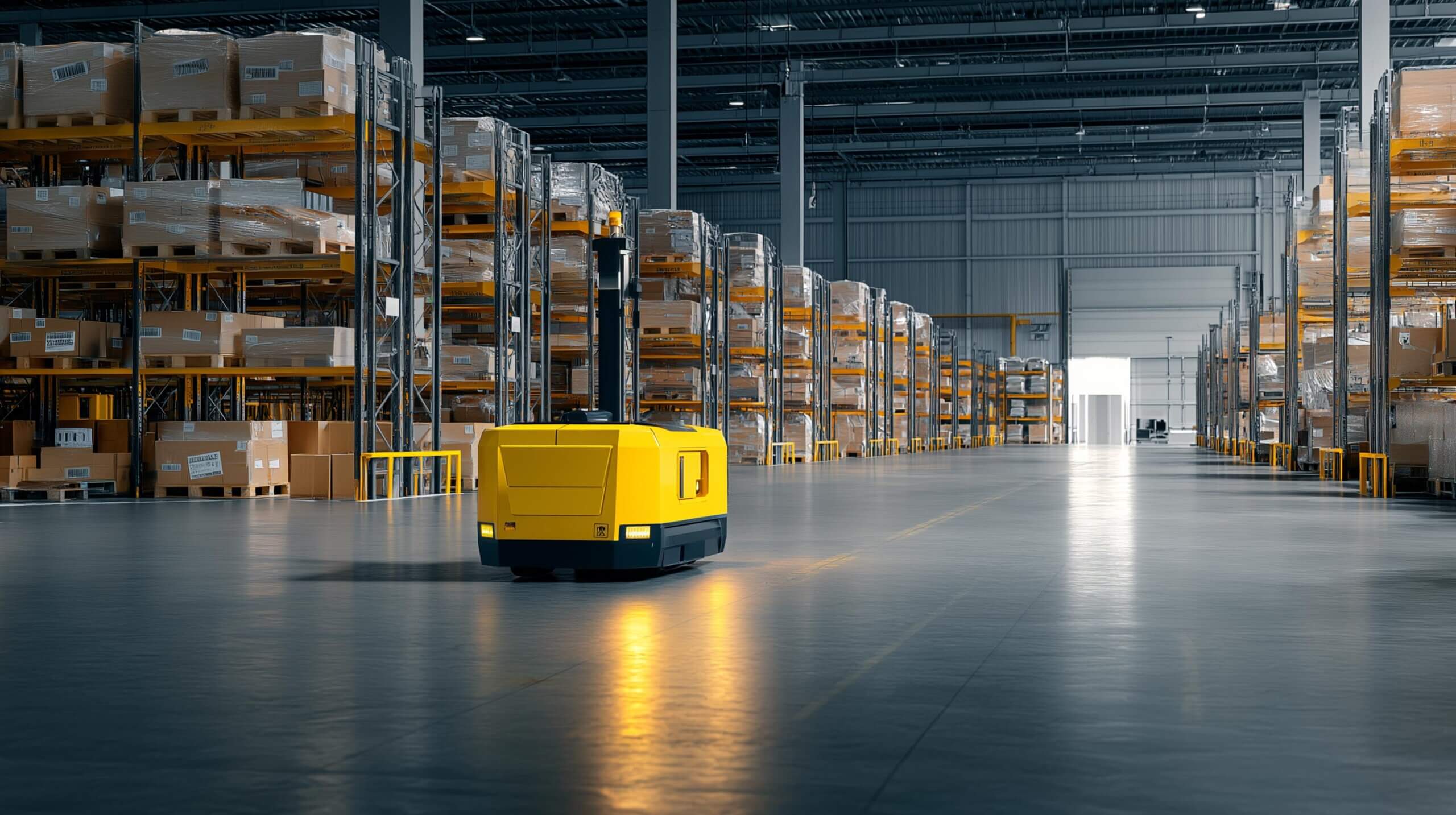
The newly launched logistics offering, powered by Uber Direct, allows Uber’s driver partners to handle grocery deliveries for well-known brands such as Zepto and KPN Farm Fresh. Unlike Uber’s consumer-facing delivery products, this service acts as a behind-the-scenes engine for businesses, fulfilling orders placed directly on sellers’ apps or websites.
By functioning as invisible infrastructure, Uber Direct brings new revenue opportunities for drivers while giving retailers access to a scaled and flexible last-mile network.
A Strategic Bet on Urban Mobility
Alongside logistics, Uber has activated metro ticketing in Bengaluru, adding the city to a growing list that already includes Delhi, Mumbai, and Chennai. The feature integrates metro passes and single-journey tickets directly into the Uber app, allowing commuters to plan multimodal trips that combine ride-hailing with public transit.
India remains one of Uber’s biggest international markets, with the company serving 125 cities, employing 1.5 million monthly active drivers, and surpassing 1.2 billion completed trips as of 2025. The new offerings aim to deepen user stickiness and leverage Uber’s extensive network effects.
A High-Stakes Moment for ONDC
Uber’s expansion comes at a time when ONDC, India’s ambitious interoperable digital commerce network,is experiencing both rapid growth and structural friction.
ONDC logged 204 million transactions in March 2025 and now lists 277 ecosystem participants. Mobility orders accounted for more than half of total transactions in April, showcasing strong user adoption in transport categories. However, the network still faces a “cold start” challenge in smaller cities, where low buyer–seller density limits sustained activity.
In this context, Uber’s nationwide scale could help fill operational gaps or alternatively redistribute volume among existing logistics partners. Bengaluru currently contributes roughly 18–20% of ONDC food delivery orders, while Karnataka accounts for 44% of its logistics throughput, making the state an important test bed for this partnership.
API Economy Opens New Competition
As ONDC broadens access to its logistics APIs, a new wave of technology opportunities is emerging. Retailers and restaurants increasingly require advanced middleware for price comparison across carriers, SLA tracking, and automated address correction.
With ONDC’s standardized API specifications and openly available white-label app templates on GitHub, SaaS firms and system integrators are racing to build orchestration tools that manage complex multi-carrier shipping flows.
Retail orders on ONDC declined from 6.5 million to 4.3 million between October 2024 and April 2025 even as overall transactions rose, signaling merchants’ urgency to reduce fulfillment costs. Many are now turning to orchestration platforms that route orders dynamically for better price-speed optimization.
The post Uber Expands India Footprint With New Logistics and Metro Ticketing Push appeared first on CoinCentral.
You May Also Like
The crypto winners from AI may not be AI coins at all as agents start spending autonomously

Researcher Connects the Dots Between This SWIFT’s Major Announcement and XRP