The post Big Breaking: Ripple Wins Conditional OCC Approval to Launch Its Own US National Trust Bank appeared first on Coinpedia Fintech News Ripple CEO Brad GarlinghouseThe post Big Breaking: Ripple Wins Conditional OCC Approval to Launch Its Own US National Trust Bank appeared first on Coinpedia Fintech News Ripple CEO Brad Garlinghouse

Big Breaking: Ripple Wins Conditional OCC Approval to Launch Its Own US National Trust Bank
2025/12/13 00:37
Ripple

The post Big Breaking: Ripple Wins Conditional OCC Approval to Launch Its Own US National Trust Bank appeared first on Coinpedia Fintech News

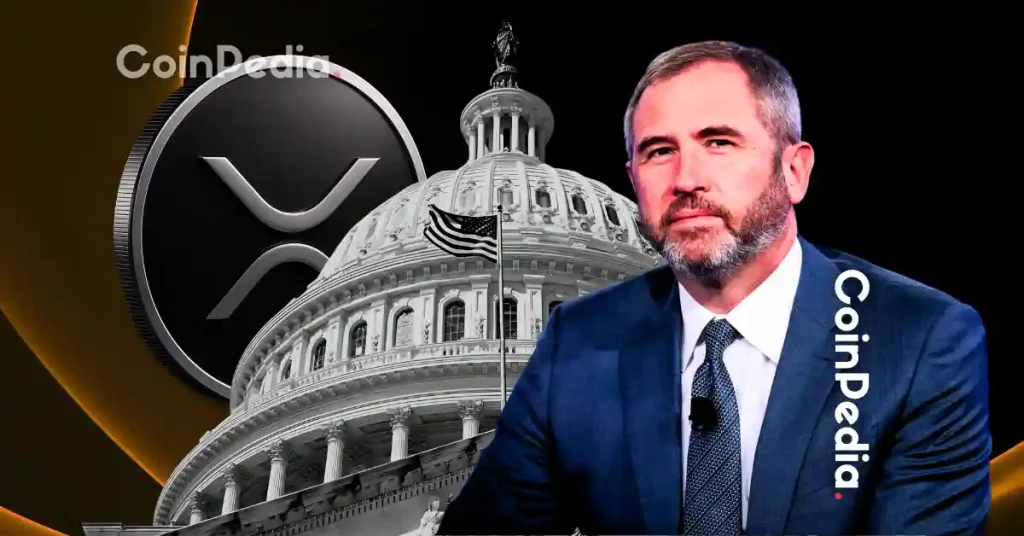
Ripple CEO Brad Garlinghouse announced on X that the company has received conditional approval from the US Office of the Comptroller of the Currency (OCC) to charter Ripple National Trust Bank. This marks an important step for Ripple as it works to bring its stablecoin, RLUSD, under both federal oversight (OCC) and state oversight (New York Department of Financial Services).

Garlinghouse said the approval shows that Ripple is willing to operate under the same strict rules as traditional financial institutions. He also criticized banking lobbyists who have argued that crypto companies avoid regulation. “What are you so afraid of?” he wrote, adding that Ripple is prioritizing compliance, trust, and innovation.

Ripple supporters celebrated the announcement, saying RLUSD is now set to become the first stablecoin issued under a national bank charter and under direct OCC supervision.

Ripple’s Push to Become a US Bank

The move follows Ripple’s larger effort to apply for a US national bank charter and a Federal Reserve master account, which would allow the company to operate like a federally regulated bank. This would give Ripple access to US payment infrastructure such as Fedwire and allow it to settle transactions directly in US dollars.

If approved, Ripple would be the first blockchain-native company with this level of access to the US banking system. It would also allow Ripple to run payment operations without depending on outside banks.

Why This Matters for XRP

A bank charter and Fed master account could strengthen Ripple’s position in the global payments industry. It would allow the company to settle international transfers faster and at lower cost. Analysts say this could increase the practical use of XRP, especially for cross-border liquidity.

Many in the XRP community also say this move could boost long-term confidence in the token. If Ripple operates as a regulated financial institution, banks and institutions may feel more comfortable using XRP in their payment flows.

For now, the conditional approval shows a big shift: a leading crypto company is moving toward direct integration with the traditional US banking system, setting a new regulatory standard for the industry.


Disclaimer: The articles reposted on this site are sourced from public platforms and are provided for informational purposes only. They do not necessarily reflect the views of MEXC. All rights remain with the original authors. If you believe any content infringes on third-party rights, please contact service@support.mexc.com for removal. MEXC makes no guarantees regarding the accuracy, completeness, or timeliness of the content and is not responsible for any actions taken based on the information provided. The content does not constitute financial, legal, or other professional advice, nor should it be considered a recommendation or endorsement by MEXC.

You May Also Like

5 key takeaways from CNBC investigation

5 key takeaways from CNBC investigation

The post 5 key takeaways from CNBC investigation appeared on BitcoinEthereumNews.com. Walmart‘s online marketplace has become a key part of its strategy to grow profit faster than sales and better compete against its longtime rival, Amazon. As the largest U.S. retailer with more than 4,600 locations nationwide, growing sales online is also critical for its future. But a CNBC investigation found Walmart’s digital boom came as it made it easier for third-party sellers to join and sell on its marketplace, a strategy that has come with a cost. Some consumers have received counterfeit, potentially dangerous products after shopping on the marketplace, CNBC found. The investigation also uncovered dozens of third-party sellers who had stolen the credentials of another business to set up an account, including some who were offering fake health and beauty items. In the early days of Walmart’s online marketplace, former employees and sellers said it had strict policies for vetting third-party sellers and the products they offer. But over time, Walmart loosened those controls in a bid to woo sellers away from Amazon and appear more friendly than its rival, according to sellers, e-commerce consultants, and current and former employees.  When asked for comment on CNBC’s reporting, Walmart said “trust and safety are non-negotiable for us.”  “Counterfeiters are bad actors who target retail marketplaces across the world, and we are aggressive in our efforts to prevent and combat their deceptive behavior,” Walmart said. “We enforce a zero-tolerance policy for prohibited or noncompliant products and continue to invest in new tools and technologies to help ensure only trusted, legitimate items reach our customers.”  CNBC’s investigation uncovered new details about Walmart’s strategy to grow its online marketplace and the risks it took to take market share from Amazon.  Here are five takeaways from the investigation. Stolen identities and product tests  During CNBC’s investigation into Walmart’s marketplace, it found at least 43…
Share
BitcoinEthereumNews2025/09/19 22:10