

Sangha Renewables Energizes 20 MW Bitcoin Mining Facility in West Texas
Bitcoin Magazine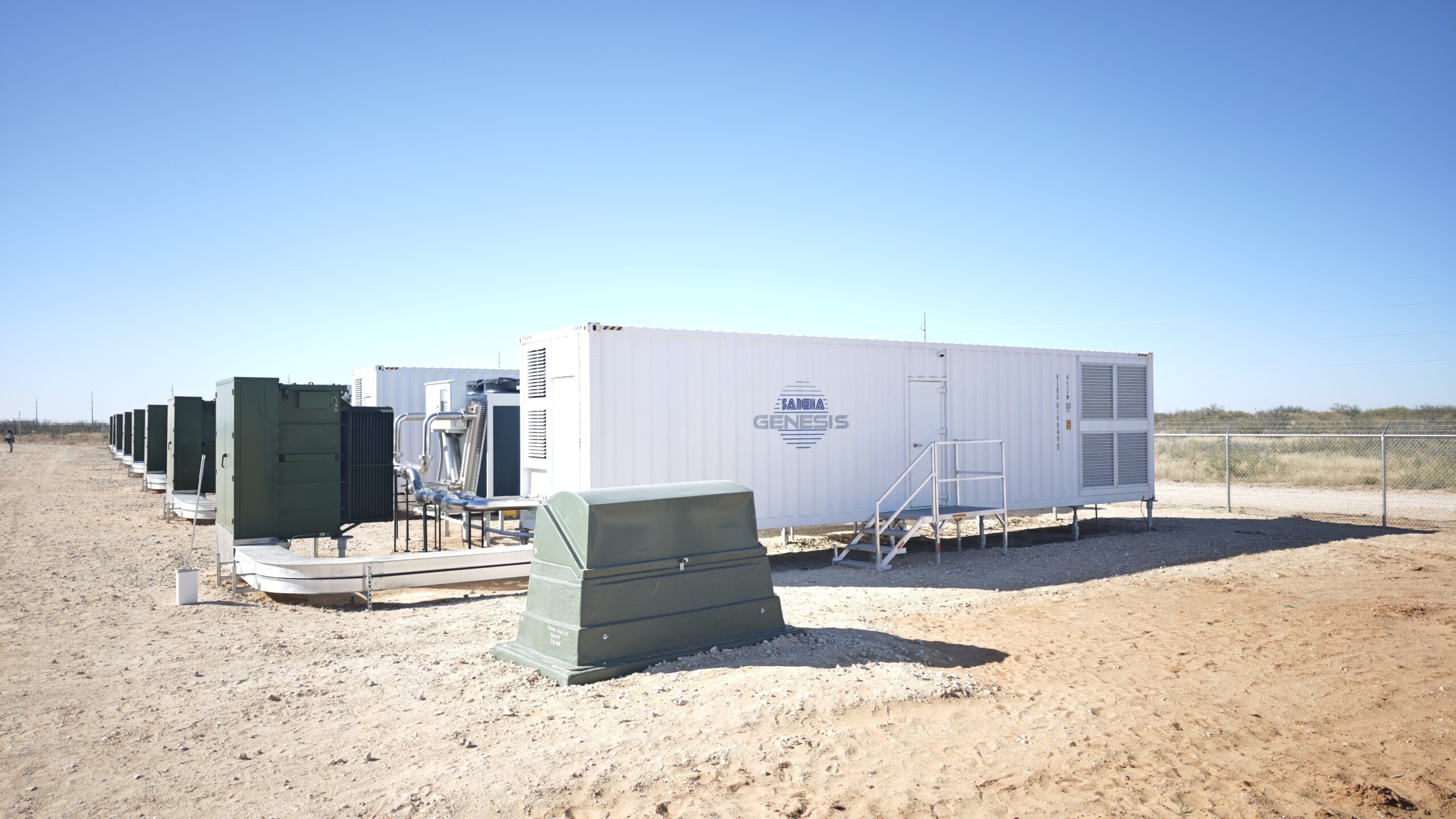
Sangha Renewables Energizes 20 MW Bitcoin Mining Facility in West Texas
Sangha Renewables announced the energization of its 19.9-megawatt bitcoin mining facility in Ector County, West Texas today, in partnership with Links Genco and TotalEnergies.
The project operates behind-the-meter on a 150-megawatt solar farm, combining renewable energy generation with digital infrastructure to explore new revenue streams for the energy sector.
The facility, developed with support from Links Genco, uses bitcoin mining to provide dispatchable industrial demand that aligns with variable renewable output.
Links Genco provided energy structuring and grid compliance services, helping Sangha configure a load profile that complements solar generation while mitigating exposure to transmission constraints and local curtailment, according to a note shared with Bitcoin Magazine.
Back in May, Sangha broke ground on the bitcoin mining facility. The project, developed with an independent power producer, now known as TotalEnergies, was built on an existing solar site in efforts to turn underutilized renewable assets into profitable bitcoin-generating operations.
The opening was marked by a ribbon-cutting ceremony that just wrapped up in West Texas. The event brought together company representatives, local officials, and industry partners, including Links Genco and TotalEnergies.
Under the project agreement, Sangha will own and operate the mining data center, deploy high-efficiency hardware, and manage the load to maximize utilization during periods of excess solar generation.
TotalEnergies will supply comprehensive retail power solutions, including balancing services, supplemental grid power during non-solar hours, and structured energy products designed to address price volatility while maintaining operational reliability.
By situating the mining facility at the point of generation, Sangha is trying to capture value that may otherwise be lost in areas with transmission congestion.
Bitcoin mining as a means for new energy value streams
The approach also offers a framework for scalable, location-agnostic load, potentially providing additional revenue streams for renewable energy producers and supporting broader grid stability.
“This project highlights how bitcoin mining can become a tool to unlock new value streams for the energy sector,” said Spencer Marr, co-founder and president of Sangha Renewables.
Marr emphasized that partnerships with energy providers like TotalEnergies demonstrate how digital infrastructure can be integrated into long-term energy planning.
Simon Binet, vice president of Trading U.S. Gas & Power at TotalEnergies, described the arrangement as aligned with the company’s goals to provide innovative energy solutions that support decarbonization efforts in energy-intensive industries.
The ribbon-cutting ceremony included opening remarks from Sangha Renewables, Links Genco, and Judge Dustin Fawcett of Ector County, followed by a guided tour of the mining facility, press interviews, and a photoshoot.
This post Sangha Renewables Energizes 20 MW Bitcoin Mining Facility in West Texas first appeared on Bitcoin Magazine and is written by Micah Zimmerman.


You May Also Like

The changing face of elder care in Malaysia — Sayed Mohammad Reza Yamani Sayed Umar

Not a loophole: Singapore AI export controls let China tap US AI legally

Exclusive interview with Smokey The Bera, co-founder of Berachain: How the innovative PoL public chain solves the liquidity problem and may be launched in a few months



