

Bitcoin’s Shocking Label: Why Vanguard Calls It a Speculative Digital Toy
BitcoinWorld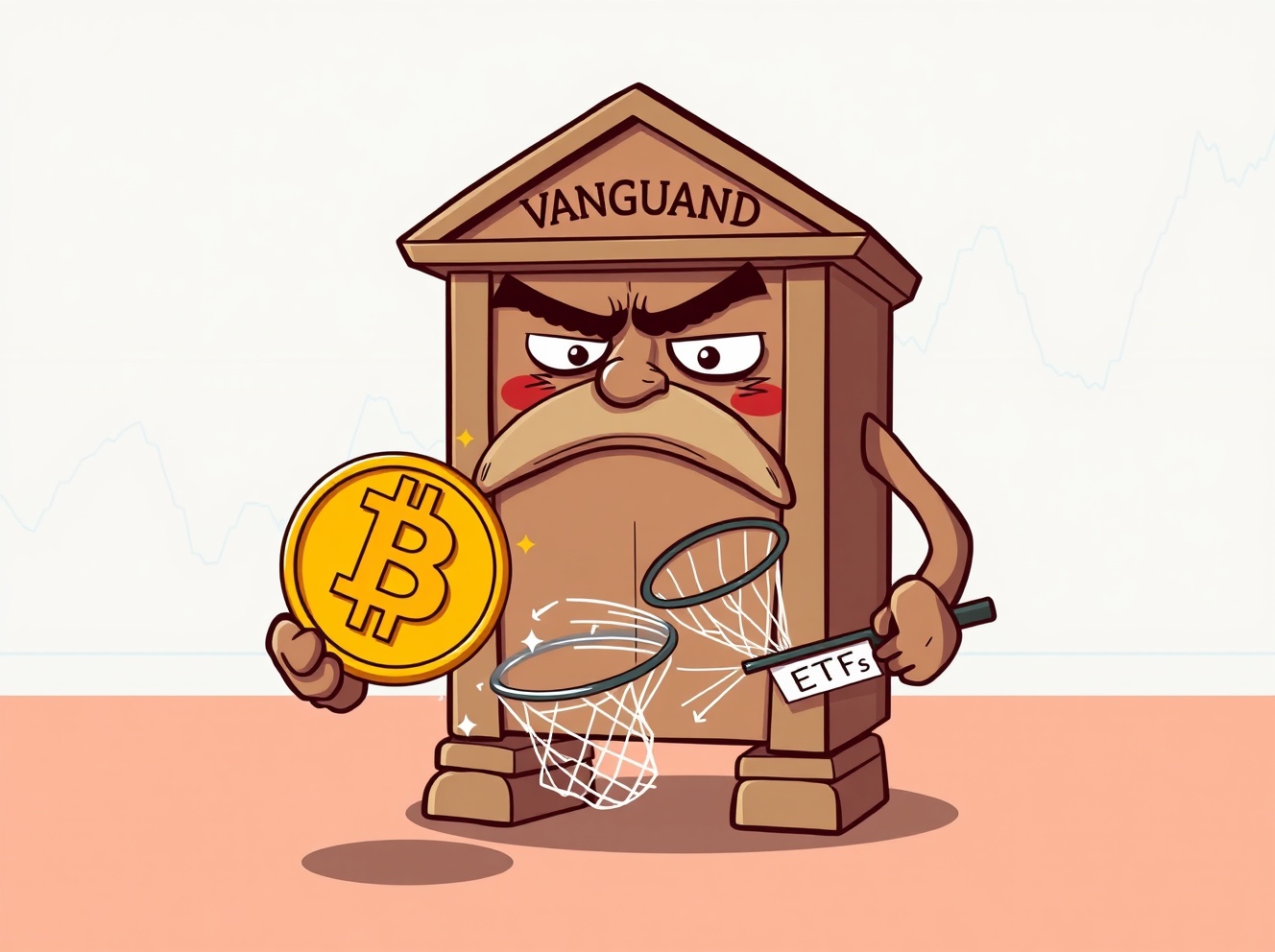
Bitcoin’s Shocking Label: Why Vanguard Calls It a Speculative Digital Toy
In a move that has sent shockwaves through the crypto community, investment giant Vanguard has made a stunning declaration. Despite recently opening its platform to cryptocurrency ETFs, the firm has labeled Bitcoin a ‘speculative digital toy.’ This contradictory stance raises critical questions for every investor watching the digital asset space. What does this mean for the future of Bitcoin and its place in a traditional portfolio? Let’s unpack the details and the profound implications.
What Did Vanguard Actually Say About Bitcoin?
Global asset manager Vanguard, known for its conservative, long-term investment philosophy, made headlines this month. The firm began allowing trades of spot Bitcoin ETFs and some crypto-related funds on its brokerage platform. However, almost simultaneously, a spokesperson for the company delivered a blunt assessment. They described Bitcoin not as a revolutionary asset class, but as a ‘speculative digital toy.’ This label starkly contrasts with the growing institutional acceptance seen from other major financial players.
Why Is This ‘Digital Toy’ Statement So Controversial?
The controversy lies in the glaring contradiction. Vanguard is providing access to products based on an asset it publicly dismisses. This creates a confusing signal for investors. On one hand, they are facilitating exposure. On the other, they are warning against its fundamental value. This stance highlights the deep divide in traditional finance regarding Bitcoin’s true purpose. Is it a digital gold, a payment system, or, as Vanguard suggests, merely a speculative plaything? The firm’s position underscores several key concerns they likely hold:
- Volatility: Bitcoin’s price is famously unpredictable, which clashes with Vanguard’s focus on steady, long-term growth.
- Lack of Cash Flow: Unlike stocks or bonds, Bitcoin does not generate dividends or interest, making its value purely speculative in their view.
- Regulatory Uncertainty: The evolving regulatory landscape adds risk that traditional firms are uncomfortable with.
How Does This Impact the Average Crypto Investor?
For the everyday investor, Vanguard’s move is a double-edged sword. The availability of Bitcoin ETFs on a trusted platform like Vanguard lowers the barrier to entry, offering a familiar and regulated way to gain exposure. However, the accompanying ‘digital toy’ rhetoric serves as a powerful caution. It reminds investors that even with easier access, the core investment thesis for Bitcoin remains hotly debated. Therefore, you should consider this development carefully.
Actionable Insight: View Vanguard’s platform access as a tool, not an endorsement. Conduct your own research to understand why you are investing in Bitcoin. Are you seeking a hedge against inflation, believing in the technology, or speculating on short-term price moves? Your answer will determine if this ‘digital toy‘ has a place in your serious investment strategy.
What’s the Future for Bitcoin and Institutional Adoption?
Vanguard’s stance represents one end of the institutional spectrum. Other firms, like BlackRock and Fidelity, have taken a more embracing approach with their own ETF offerings. This diversity of opinion is normal for a nascent asset class. The path forward for Bitcoin will likely involve continued friction between skeptical traditionalists and bullish innovators. The key metric to watch is not just price, but the steady flow of assets into these new ETFs, which will signal real-world adoption despite skeptical labels.
Conclusion: A Toy Today, A Tool Tomorrow?
Vanguard’s characterization of Bitcoin as a ‘speculative digital toy‘ is a provocative reminder of the asset’s perceived risks. It forces a crucial conversation about intrinsic value and investment maturity. While providing access through ETFs, Vanguard is clearly distancing itself from promoting Bitcoin as a core holding. For investors, the lesson is clear: navigate this space with both the opportunities and the warnings in mind. The journey from being seen as a toy to a trusted tool is still underway, and your investment decisions should reflect that ongoing evolution.
Frequently Asked Questions (FAQs)
Q1: If Vanguard calls Bitcoin a toy, why did they start offering Bitcoin ETFs?
A1: Vanguard is likely responding to client demand. By offering ETFs on its brokerage platform, it allows customers to make their own choices without the firm having to endorse or manage the underlying asset directly.
Q2: Does this mean I shouldn’t invest in Bitcoin through Vanguard?
A2: Not necessarily. It means you should understand Vanguard’s skeptical viewpoint. The decision to invest should be based on your own research, risk tolerance, and investment goals, not solely on a platform’s availability.
Q3: What is a ‘speculative digital toy’ supposed to mean?
A3: The phrase implies that Vanguard views Bitcoin as an asset with no fundamental value (a ‘toy’) whose price is driven mainly by speculation and sentiment rather than cash flows or practical utility.
Q4: Are other big investment firms as skeptical as Vanguard?
A4: Opinions vary. Firms like BlackRock and Fidelity have launched their own Bitcoin ETFs, showing a more accepting stance. Vanguard is known for its particularly conservative approach to new asset classes.
Q5: How does this affect the price of Bitcoin?
A5: In the short term, such statements from a major player can create negative sentiment. However, long-term price is driven by broader adoption, regulation, and macroeconomic factors. The simultaneous offering of ETFs is arguably a more positive signal for accessibility.
Call to Action: Did Vanguard’s bold label change your perspective on Bitcoin? Whether you agree or disagree, this debate is crucial for the future of finance. Share this article on social media to spark a conversation with your network and hear diverse viewpoints on this speculative digital asset.
To learn more about the latest Bitcoin trends, explore our article on key developments shaping Bitcoin institutional adoption.
This post Bitcoin’s Shocking Label: Why Vanguard Calls It a Speculative Digital Toy first appeared on BitcoinWorld.


You May Also Like

BTC Price Shaky Near $67K While Oil Surges on Middle East Tensions: What's Next? (April 2 Update)

US Shifts Seized Bitfinex Hack Bitcoin Worth $606K to Coinbase Prime




