

Bitcoin’s Hidden Opportunity: Why Current Weakness Could Fuel a 2026 Surge
BitcoinWorld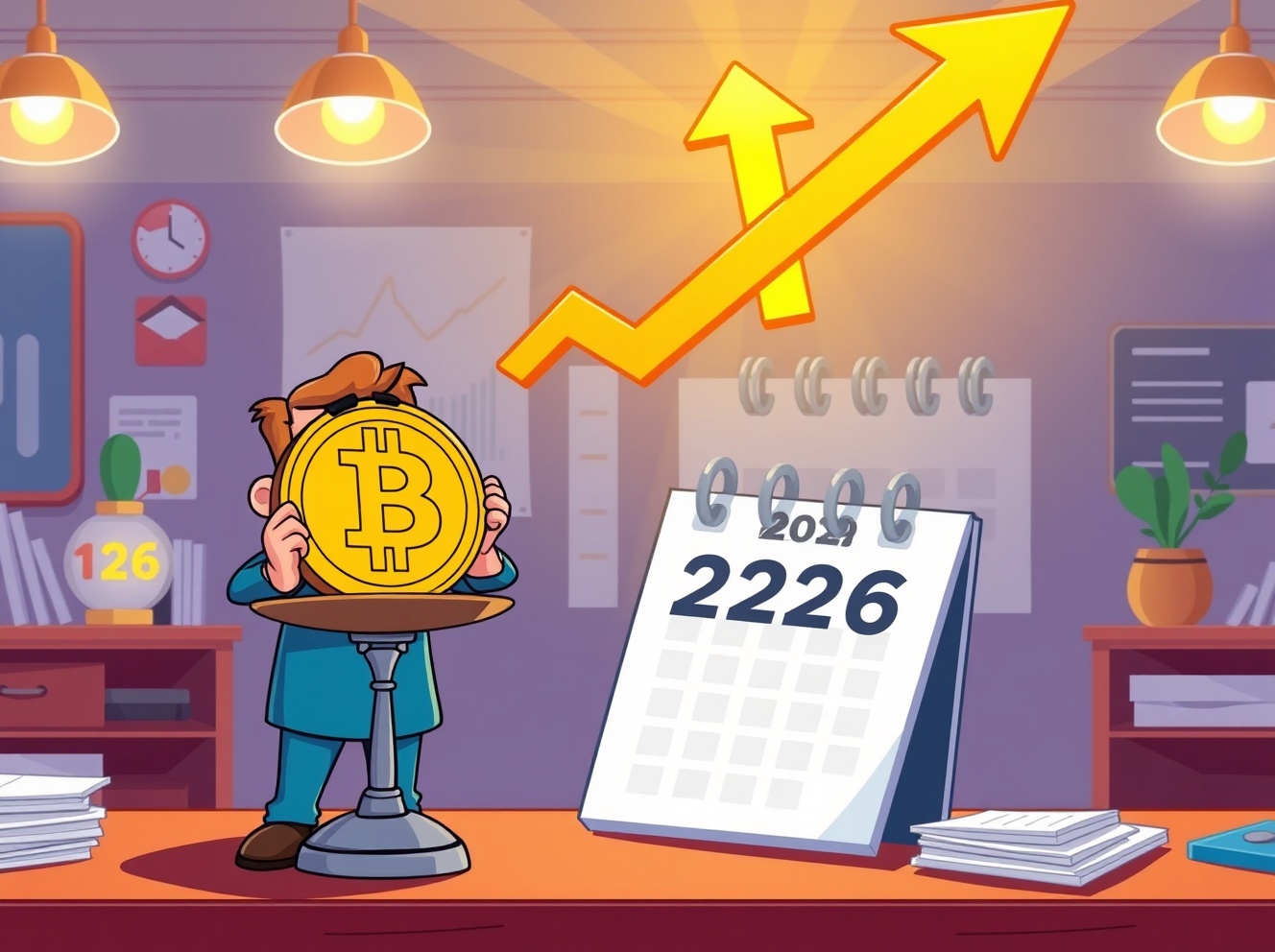
Bitcoin’s Hidden Opportunity: Why Current Weakness Could Fuel a 2026 Surge
Is Bitcoin’s recent underperformance a cause for concern or a hidden opportunity? While the flagship cryptocurrency has lagged behind traditional stocks, this year-end weakness might be setting the stage for a significant move. According to K33 Research analyst Vetle Lunde, the current dynamics could create a compelling Bitcoin opportunity for patient investors looking toward 2026.
Why Is Bitcoin Underperforming Now?
Bitcoin has recently trailed the stock market, and the reason is more mechanical than fundamental. Vetle Lunde points to year-end portfolio rebalancing by large asset managers as a key factor. These institutions have pre-set allocation targets. As the year closes, they often adjust their holdings, which can temporarily pressure assets like Bitcoin.
This activity is a routine part of institutional money management, not a reflection of Bitcoin’s long-term value. However, it creates a short-term headwind that explains the current price action. The silver lining? This rebalancing period may be creating a more attractive entry point.
How Does This Create a Bitcoin Opportunity for 2026?
The connection between today’s weakness and future strength lies in institutional behavior. After rebalancing, these same asset managers plan their allocations for the coming period. Lunde suggests this process could lead to fresh capital flowing into Bitcoin as they establish new positions.
Think of it this way:
- Current Selling: Some managers sell Bitcoin to meet year-end portfolio targets.
- Price Pressure: This selling contributes to short-term price weakness or stability.
- Future Buying: In the new period, managers can re-allocate funds, potentially increasing their Bitcoin weightings.
This cycle, while causing near-term hesitation among traders, may lay the groundwork for a stronger 2026. The Bitcoin opportunity emerges from buying during this period of institutional-induced calm.
What’s Holding the Market Back Right Now?
Lunde notes an important nuance: despite Bitcoin’s price finding some stability, market participants remain hesitant. This risk-aversion is common during periods of perceived uncertainty or after a rebalancing event. Traders and investors often wait for clearer signals before committing capital.
This collective caution can suppress volatility and delay a rally, even when the fundamental setup improves. However, for strategic investors, this environment of hesitation is precisely where opportunities are born. It allows for accumulation without the frenzy of a bull market.
Actionable Insights for Crypto Investors
Understanding this dynamic provides a framework for decision-making. Instead of viewing short-term underperformance as purely negative, consider the structural reasons behind it.
- Look Beyond Daily Noise: Focus on the institutional allocation cycle, not just daily price swings.
- Assess Your Timeline: This potential Bitcoin opportunity is framed for 2026, requiring a patient, long-term perspective.
- Monitor Institutional Flows: Watch for data on ETF inflows or institutional reports signaling renewed interest.
The key is to align your strategy with the identified catalyst—the post-rebalancing institutional repositioning that could unfold over the next year.
A Compelling Case for Strategic Patience
In conclusion, Bitcoin’s current market behavior is a complex interplay of institutional mechanics and investor psychology. The year-end rebalancing that suppresses prices today could be the very engine for growth tomorrow. By creating a potential supply overhang now, it may pave the way for sustained demand as institutions rebuild their positions heading into 2026.
This analysis reframes weakness not as a threat, but as a necessary phase in a larger cycle. For those with a multi-year outlook, the present moment may represent a strategic window—a genuine Bitcoin opportunity disguised as market indecision. The path to 2026 starts with understanding the quiet moves being made today.
Frequently Asked Questions (FAQs)
What is portfolio rebalancing?
Portfolio rebalancing is when large investment funds adjust their holdings to maintain pre-set asset allocation targets (e.g., 60% stocks, 5% Bitcoin). This often happens at year-end and can lead to selling assets that have outperformed.
Why is 2026 highlighted as a potential opportunity?
Analyst Vetle Lunde suggests the capital freed up or reallocated after 2024’s year-end rebalancing could be deployed into Bitcoin over the following year, building a foundation for stronger performance by 2026.
Is Bitcoin a good investment during periods of weakness?
Historically, buying during periods of fear or consolidation has often rewarded long-term investors. However, it requires patience and a strong conviction in the asset’s fundamentals.
How can retail investors take advantage of this?
Retail investors can consider dollar-cost averaging (investing a fixed amount regularly) during this phase to build a position without trying to time the exact market bottom.
What are the risks of this outlook?
The primary risk is that the anticipated institutional inflows do not materialize as expected, or that broader macroeconomic factors negatively impact all risk assets, including Bitcoin.
Where can I follow institutional Bitcoin investment data?
Data from Bitcoin ETF flows, reports from firms like CoinShares, and on-chain analysis platforms can provide insights into institutional activity.
Found this analysis insightful? Share this perspective on the potential Bitcoin opportunity with fellow investors on your social media channels. Discussing these market mechanics helps everyone make more informed decisions.
To learn more about the latest Bitcoin trends, explore our article on key developments shaping Bitcoin institutional adoption and long-term price action.
This post Bitcoin’s Hidden Opportunity: Why Current Weakness Could Fuel a 2026 Surge first appeared on BitcoinWorld.
You May Also Like

Franklin Templeton CEO Dismisses 50bps Rate Cut Ahead FOMC

The Role of Reference Points in Achieving Equilibrium Efficiency in Fair and Socially Just Economies


