Interest rate cuts lead to a sharp drop? The Federal Reserve, the Bank of Japan, and the Christmas holidays form a "fatal triangle."
BTC plummeted from $95,000 to $85,000. In the past 24 hours, more than 200,000 people across the network were liquidated, and $600 million vanished.
Everyone is asking: Wasn't the interest rate cut supposed to be a good thing a few days ago?
The answer lies in three dates: December 11 (Federal Reserve cuts interest rates), December 19 (Japan raises interest rates), and December 23 (Christmas holiday).
01. The Fed's "interest rate cut + hawkish" combination
On the 11th, the Federal Reserve cut interest rates by 25 basis points as expected. However, the dot plot indicates that there may only be one rate cut in 26 years, far fewer than the market's expectation of 2-3 cuts.
What the market wants is "continuous monetary easing," but Powell has given "symbolic rate cuts + future tightening."
Even more concerning is that three of the twelve voting members opposed a rate cut, with two advocating for maintaining the current rate. This indicates that the Federal Reserve's internal concerns about inflation far exceed market expectations.
Interest rate cuts should release liquidity, but hawkish signals are prematurely locking up future rate cuts. The market reaction was immediate: US stocks fell, Bitcoin fell, and all risk assets fell.
This is the first blow: interest rates were cut, but liquidity expectations tightened instead.
02. The Bank of Japan's "bomb disposal operation" on December 19th
The market hasn't even fully digested the Fed's rate cut, and now the Bank of Japan is set to raise rates on the 19th. The market anticipates a 90% probability of a 25 basis point hike, raising the rate from 0.50% to 0.75%.
It may seem like a small number, but it's about defusing the biggest "time bomb" in the global financial system, namely the well-known yen carry trade.
Over the past decade or so, global institutions have been frantically borrowing Japanese yen at near-zero cost, converting it into US dollars to buy US stocks, cryptocurrencies, and emerging market assets. The core logic behind this business is that "the yen is always cheap."
However, once Japan raises interest rates, two things will happen simultaneously: borrowing costs will rise and the yen will appreciate.
The result is that all arbitrage traders must sell their risky assets to get yen back to repay loans. When trillions of dollars in arbitrage positions begin to close, Bitcoin, US stocks, and emerging market bonds will all be sold off indiscriminately.
Remember the "black swan" event on August 5th? Japan unexpectedly raised interest rates to 0.25%, causing Bitcoin to plummet by 18% in a single day, and it took the global market a full three weeks to recover. This time it's a "gray rhino" event that was foreshadowed, but its destructive power will not be small.
This is the second layer of damage: the Federal Reserve is injecting liquidity, but the Bank of Japan is withdrawing it, and it's draining the very foundation of global liquidity.
03. The liquidity vacuum during the Christmas holidays
Starting on the 23rd, North American institutions will enter the Christmas holiday season, resulting in already thin liquidity.
This means that the same selling pressure will cause greater price volatility. Normally, $10 billion would cause a 5% drop, but now $5 billion is enough.
What's even more dangerous is that the combined effects of the policies of the Federal Reserve and the Bank of Japan are erupting precisely during this window of time when liquidity is at its lowest.
Historical data shows that late December to early January is one of the periods with the highest volatility in the crypto market.
This is the third layer: policy uncertainty + liquidity depletion = small fluctuations can be amplified into a major collapse.
04. Why is this triple overlap so deadly?
Individually, each factor is controllable. The Fed's rate cut, though hawkish, at least resulted in a rate cut; Japan's rate hike, though troublesome, was anticipated by the market; and while liquidity is thin during the Christmas holidays, this happens every year.
However, when these three factors occur simultaneously, it is not a simple superposition, but a multiplier effect.
The Federal Reserve's hawkish signals tightened market expectations for future liquidity; Japan's interest rate hikes prompted global carry trades to be unwound; and the liquidity crunch during the Christmas holidays amplified these selling pressures several times over.
05. A few suggestions for now
First, keep a close eye on the 19th. The Bank of Japan meeting is the next key time point. If they do raise interest rates by 25 basis points, BTC could test $80,000 or even lower.
Second, reduce leverage, keeping at least 30%. During periods of liquidity shortage, those who suffer margin calls are often not those who misjudged the market direction, but those who couldn't withstand the volatility.
Third, do not try to buy at the bottom. The real bottom may appear 3-4 weeks after the panic, not on the day of the panic.
History doesn't repeat itself, but it often rhymes. This year's "Christmas gift" might not be unwrapped until January.
Let's take another look on December 19th.
You May Also Like
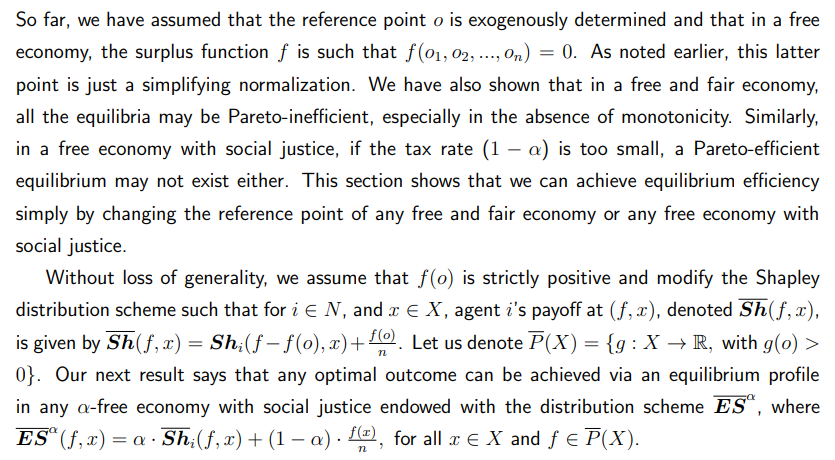
The Role of Reference Points in Achieving Equilibrium Efficiency in Fair and Socially Just Economies

Cryptos Signal Divergence Ahead of Fed Rate Decision