Overview of NFT-Based Gambling Platforms
NFT-based gambling platforms have emerged alongside broader interest in blockchain-based ownership systems and digital gaming. Unlike traditional platforms that operate through internal systems, some NFT-based gambling sites use public blockchains for certain components. Tables, access passes, or visual elements may exist as NFTs rather than internal database entries.This setup may appeal to users who prefer verifiable digital ownership.
Game Design Influences in NFT Gambling Platforms
Although the underlying technology is new, many games retain familiar formats. Developers frequently take cues from classic formats such as dice games, crash-style rounds, and simple card mechanics that rely on quick feedback and easy-to-read outcomes.These design choices aim to simplify gameplay and make outcomes easier to follow.
Plinko-style games have influenced some designs due to their visible paths, adjustable risk levels, and straightforward outcomes. Guides and comparisons, including the top list of plinko casinos by AdventureGamers, outline how elements like configurable boards, automated play options, and pacing contribute to sustained interest. Those same design choices are now appearing in NFT-based platforms as developers look for proven ways to keep gameplay intuitive. These influences suggest that many NFT gambling platforms prioritize straightforward gameplay mechanics.
Technical Framework Behind NFT Gambling Platforms
The technical setup behind NFT gambling platforms relies on blockchains that record wagers and outcomes as they happen. Each transaction is written to a ledger that can be reviewed independently. Smart contracts can automate payouts and rule enforcement, reducing the need for manual processes. This approach follows principles of decentralized finance (DeFi), where rules and transactions are executed directly on-chain. Many operators now spread activity across multiple chains to avoid slow speeds or high fees. To manage scalability and transaction costs, some platforms rely on multi-chain structures that distribute activity across different layers. This approach reflects modular blockchain design, where core functions are separated to improve efficiency without sacrificing on-chain transparency. These design choices influence the user experience by making certain system interactions more visible.
How NFTs Influence User Ownership Models
NFTs change how players relate to gambling platforms. Instead of only placing bets, users may own themed tables, avatars, or visual modifiers that shape their experience. Some of these items unlock specific rooms or gameplay options, while others exist purely for appearance and identity. Because NFTs can often be traded, some users may view them as digital assets rather than temporary visual items. This can encourage users to maintain engagement across sessions. The platform becomes something users help populate rather than simply visit.
Interoperability Features in NFT Gambling Platforms
Some NFT-based gambling platforms are experimenting with assets that extend beyond a single game or site. These interoperable NFTs can move between different games, events, or partner platforms, carrying their visual identity or utility with them. A table skin used in one game might unlock a themed room elsewhere, or an avatar could appear across multiple environments. This approach can extend how long digital items remain usable across platforms. By allowing assets to function in more than one setting, platforms encourage continuity rather than isolated experiences, which aligns closely with how players already expect digital items to behave online.
Interface and Visual Design Considerations
Design plays a central role in how users navigate and interpret these platforms. Interfaces tend to favor clarity over excess detail, with animations that explain outcomes without overwhelming the screen. Color, spacing, and motion are often used to guide attention rather than distract from gameplay.
Small cues, such as how results are revealed or how owned items are displayed, help players understand what actions matter most. NFTs themselves often function as visual markers, reinforcing brand identity through consistent artwork and themes. This can be helpful for users who find blockchain concepts unfamiliar. When those tools are presented through familiar gaming visuals, wallets and tokens feel less intimidating and easier to understand within the flow of play.
Regulatory Considerations for NFT Gambling Platforms
Rules around online wagering, digital assets, and tokens vary widely. Some platforms respond by limiting access in certain regions, while others build compliance checks directly into their systems. These legal realities influence how platforms grow and which features they offer. Regulatory requirements may influence how platforms evolve, including the types of systems they implement.
Future Developments in NFT-Based Gambling
NFT-based gambling platforms continue to develop alongside other blockchain-driven experiences. Many projects now focus on reducing friction for new users and making ownership features easier to understand. As digital collectibles, virtual spaces, and online games overlap, these platforms may become part of larger ecosystems rather than standalone sites. Many users report interest in visibility, control, and digital ownership features offered by these platforms.
The post Overview of NFT-Based Gambling Platforms appeared first on CryptoNinjas.


You May Also Like
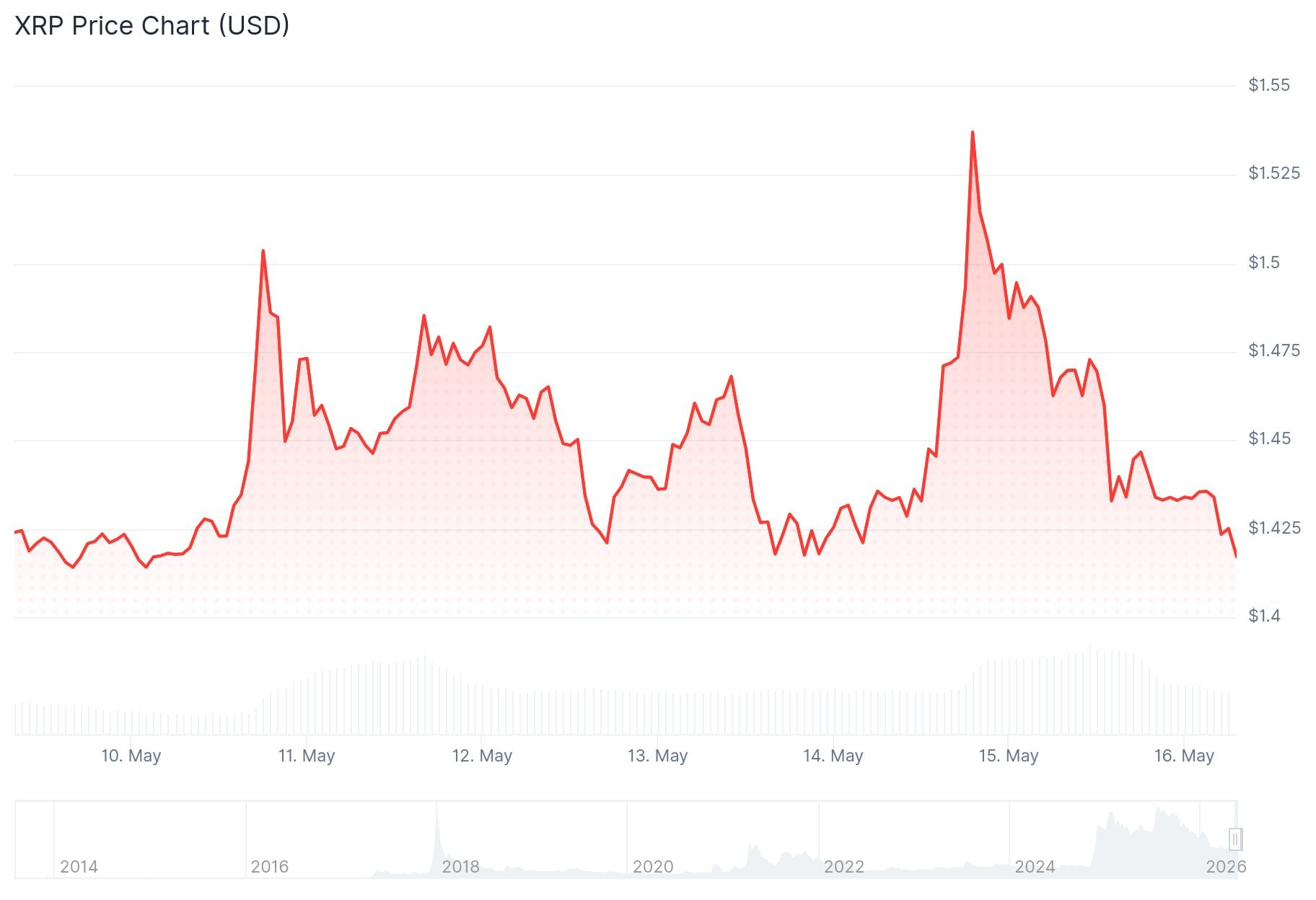
XRP Price: Whales Are Stacking XRP at Levels Not Seen Since 2018 — So Why Is the Price Stuck?

Fed Governor Calls For Strong Stablecoin Oversight As CLARITY Act’s Final Text Gets Delayed