Binance permitted a network of 13 high-risk accounts to transfer $1.7 billion in cryptocurrency, including $144 million after its 2023 U.S. plea deal, raising concerns about compliance with anti-money laundering measures.
-
Internal data reveals suspicious activities persisted post-settlement.
-
Accounts showed rapid fund movements and impossible IP log patterns.
-
Transactions linked to sanctioned regions processed $29 million in stablecoins frozen for terrorism ties.
Discover how Binance’s handling of $1.7B in suspicious crypto transactions post-2023 plea deal impacts AML compliance. Explore key risks and regulatory implications for users today.
What Are the Details of Binance’s High-Risk Account Transactions After the 2023 Plea Deal?
Binance high-risk account transactions involved a network of 13 users moving approximately $1.7 billion in cryptocurrency from 2021 onward, with $144 million occurring after the exchange’s November 2023 U.S. criminal settlement. According to internal data reviewed by the Financial Times, these accounts exhibited patterns consistent with potential money laundering, including frequent bank detail changes and anomalous access locations. This activity persisted despite Binance’s commitments to enhance monitoring and due diligence as part of the $4.3 billion agreement.
How Has Binance’s AML Compliance Been Questioned in These Cases?
Regulatory and anti-money laundering (AML) specialists have highlighted that Binance’s oversight gaps in these high-risk accounts undermine the effectiveness of promised governance upgrades. For instance, one account associated with a 25-year-old woman in Venezuela received over $177 million and altered linked bank details 647 times in 14 months, a red flag typically signaling unregistered money transmission. Another, tied to a bank employee in Caracas, handled $93 million between 2022 and May 2025, with logs showing access from Caracas and Osaka, Japan, within 10 hours—an impossibility that should have triggered automatic reviews. Experts from the Financial Times noted that such behaviors align with sanctions evasion tactics. Nick Heather, head of trading at ONE.io, emphasized the need for robust systems: “When accounts displaying repeated red flags remain active, that points to an escalation and oversight challenge rather than one of market structure. Robust governance, sanctions screening, and post-trade surveillance are of critical importance.” All 13 accounts shared suspicious markers and received about $29 million in USDT from wallets later frozen by Israel under anti-terrorism laws, underscoring persistent vulnerabilities in Binance’s compliance framework.
Frequently Asked Questions
What Suspicious Behaviors Were Observed in the Binance High-Risk Accounts?
Key behaviors included extreme transaction volumes, such as $177 million inflows to one Venezuelan account with 647 bank changes, and impossible geographic shifts like Caracas to Japan logins in under 10 hours. These patterns, per former prosecutors cited by the Financial Times, mimic unregistered money services and should prompt immediate halts under standard AML protocols, totaling $1.7 billion across the network.
Did Binance Implement Its Plea Deal Promises After the 2023 Settlement?
Binance committed to real-time monitoring, enhanced due diligence, and regular reviews in its 2023 plea deal to curb suspicious activities like ransomware and terrorism financing. However, the continued $144 million post-settlement flows suggest implementation challenges, as U.S. authorities previously flagged over 100,000 unreported suspicious transactions involving illicit groups such as al-Qaeda and ISIS.
Key Takeaways
- Persistent Red Flags: The 13 accounts’ $1.7 billion in transactions, including post-plea volumes, indicate ongoing AML weaknesses despite regulatory pledges.
- Geographic and Behavioral Anomalies: Impossible IP patterns and rapid bank switches highlight surveillance gaps, as noted by experts from the Financial Times.
- Broader Implications: Users should prioritize platforms with proven compliance; monitor for enhanced screenings in the crypto sector amid evolving U.S. oversight.
Conclusion
The revelations surrounding Binance high-risk account transactions and Binance AML compliance post-2023 plea deal expose critical lapses in detecting suspicious crypto movements, with $1.7 billion processed by flagged networks. As regulatory scrutiny intensifies, exchanges must bolster real-time surveillance to rebuild trust. Investors are advised to stay informed on compliance updates to navigate this evolving landscape securely.
Binance let a network of 13 high‑risk accounts move $1.7 billion in crypto, including $144 million, after its 2023 US plea deal, according to the Financial Times.
Binance reportedly continued to allow suspicious accounts to move funds in crypto even after the exchange pledged to tighten controls as part of its $4.3 billion US criminal settlement in 2023.
According to internal data reviewed by the Financial Times, a network of 13 user accounts processed about $1.7 billion in transactions from 2021, including roughly $144 million after the November 2023 plea agreement.
The files reportedly include Know-Your-Customer (KYC) documents, IP and device logs, and transaction histories for users in countries including Venezuela, Brazil, Syria, Niger and China.
Regulatory and AML specialists cited by the Financial Times said that the findings raise fresh questions about how effectively Binance has implemented the governance and surveillance upgrades promised US authorities after the settlement.
Binance did not provide a comment to Cointelegraph by press time.
Related: Binance alleges fake listing agents, offers up to $5M whistleblower reward
Suspicious account behaviors
In one case, a Binance account linked to a 25-year-old Venezuelan woman received more than $177 million over two years and changed its linked bank details 647 times in 14 months.
Former prosecutors told the Financial Times that such activity would normally be treated as highly suspicious and potentially consistent with an unregistered money-transmitting business.
Another account, held by a junior bank employee living in a poor district of Caracas, saw about $93 million flow in and out between 2022 and May 2025. Internal logs showed the account was accessed from Caracas one afternoon and from Osaka, Japan, less than 10 hours later, a sequence experts told the FT was physically impossible and the type of anomaly that should automatically trigger review at a regulated institution.
Nick Heather, head of trading at ONE.io, a financial services company providing digital asset trading services, told Cointelegraph that such cases underline the importance of adaptive governance frameworks in digital asset markets.
“When accounts displaying repeated red flags remain active, that points to an escalation and oversight challenge rather than one of market structure. Robust governance, sanctions screening, and post-trade surveillance are of critical importance, and institutional and retail traders operating in regulated markets are already accustomed to these requirements,” Heather said.
All 13 accounts shared markers of suspicious behavior and collectively received about $29 million in stablecoin USDt (USDT) from wallets later frozen by Israel under anti-terrorism laws.
Related: CZ pardon was considered with ‘utmost seriousness,’ White House says
Plea deal promises and Trump pardon backdrop
Binance in its 2023 plea deal promised to implement real-time monitoring, enhanced due diligence and regular customer reviews to detect suspicious activities.
CZ announces his presidential pardon | Source: CZ_BinanceAt the time, US authorities said Binance had failed to report more than 100,000 suspicious transactions involving activities including ransomware, child sexual abuse, narcotics trafficking and transfers linked to groups including al-Qaeda and ISIS.
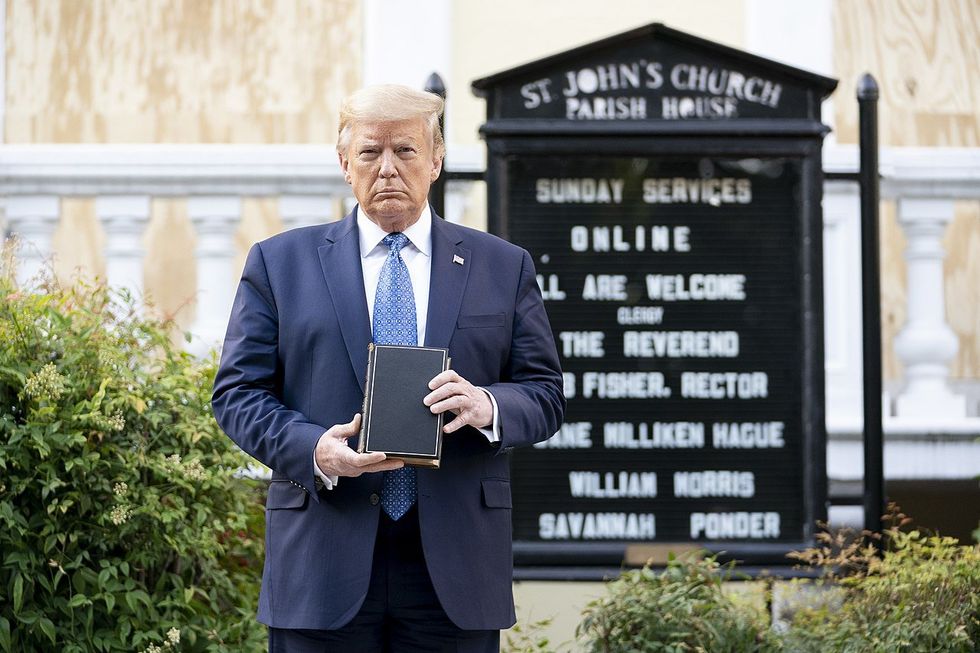
The Financial Times report comes after US President Donald Trump pardoned Binance founder Changpeng Zhao in October.
Source: https://en.coinotag.com/report-raises-questions-on-binances-post-plea-crypto-transfers-by-high-risk-accounts