

JPMorgan Ventures Into Crypto Trading to Expand Wall Street Access
JPMorgan is exploring spot and derivatives crypto trading for institutions as regulatory shifts boost Wall Street’s access to digital assets.
JPMorgan Chase & Co. is considering offering cryptocurrency trading to its institutional clients. This move follows growing interest from large investors and recent regulatory changes in the U.S.
The bank’s exploration of crypto services marks a shift in its approach to digital assets. JPMorgan’s decision to expand into crypto could significantly impact Wall Street’s involvement in the market.
JPMorgan Considers Spot and Derivatives Crypto Trading
According to a Bloomberg report, JPMorgan is evaluating the potential to offer spot and derivatives crypto trading to institutional investors.
The bank’s markets division is currently reviewing which products might be viable.
Decisions will be based on demand, regulatory feasibility, and the risks associated with these products. While the plans are still in early stages, the bank is keen to explore this new opportunity.
The move could place JPMorgan among a growing list of banks offering crypto-related services. Currently, the bank’s involvement has been limited to blockchain projects and working with crypto firms.
Offering direct crypto trading to institutional clients would represent a significant expansion of JPMorgan’s digital asset strategy.
The decision to move forward will also depend on how the bank can structure the offerings. JPMorgan aims to ensure that it complies with regulations while also meeting client demand.
If successful, this could provide major institutional clients with access to a broader range of crypto assets.
Regulatory Shifts Drive Institutional Interest
Recent changes in U.S. regulations have made it easier for banks to engage with the crypto market. The Office of the Comptroller of the Currency (OCC) issued guidance that allows banks to act as intermediaries in crypto.
These shifts have helped reduce previous uncertainties around crypto regulation, making it easier for banks to move forward.
Under the Trump administration, crypto-friendly regulators have been appointed, which has further supported the industry’s growth. These changes have encouraged more financial institutions to consider offering digital asset services.
The evolving regulatory landscape has created opportunities for JPMorgan to offer more comprehensive crypto products.
As a result, JPMorgan’s exploration into crypto trading reflects the broader movement toward institutional crypto involvement. The bank is carefully assessing the demand for these services while ensuring compliance with new regulations.
With favorable regulatory changes, JPMorgan is now better positioned to provide crypto access to institutional investors.
Related Reading: JP Morgan Tokenizes $50 Million In Commercial Papers On The Solana Blockchain
Expanding Institutional Access to Crypto Markets
JPMorgan has already made strides in the crypto space by supporting blockchain projects and tokenization efforts. The bank recently assisted Galaxy Digital in tokenizing a bond on the Solana blockchain.
Additionally, JPMorgan has allowed institutional clients to use Bitcoin and Ether as collateral for loans, further deepening its crypto engagement.
Other major banks have already moved into crypto markets. For example, Standard Chartered launched Bitcoin and Ether trading for institutions earlier this year. Similarly, Intesa Sanpaolo, Italy’s largest bank, purchased Bitcoin through its own digital assets desk.
If JPMorgan moves forward with crypto trading, it would solidify its role in Wall Street’s crypto expansion. With over $4 trillion in assets, the bank has the potential to bring significant liquidity to institutional crypto markets.
This shift could further open the door for other banks to enter the crypto space.
The post JPMorgan Ventures Into Crypto Trading to Expand Wall Street Access appeared first on Live Bitcoin News.


You May Also Like

Trump Crypto Manipulation: Explosive Claims of Daily Bitcoin Market Influence Through Geopolitical Statements
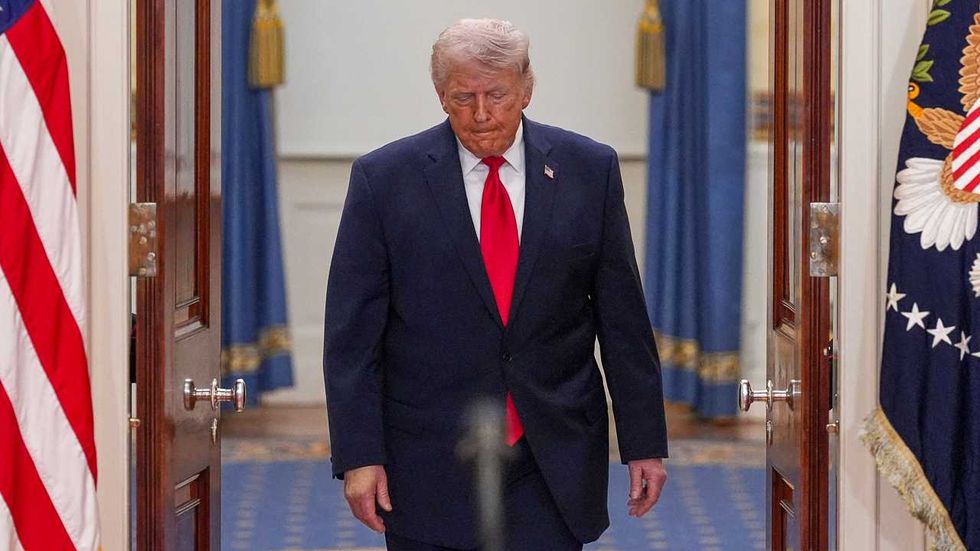
'Shocked!' Financial pundit says Trump's speech 'triggered' 60-cent gas price spike




