Many crypto industry leaders and users anticipate significant changes in the US regulatory environment over the next 12 months, as various policy changes and legislation begin to take effect.
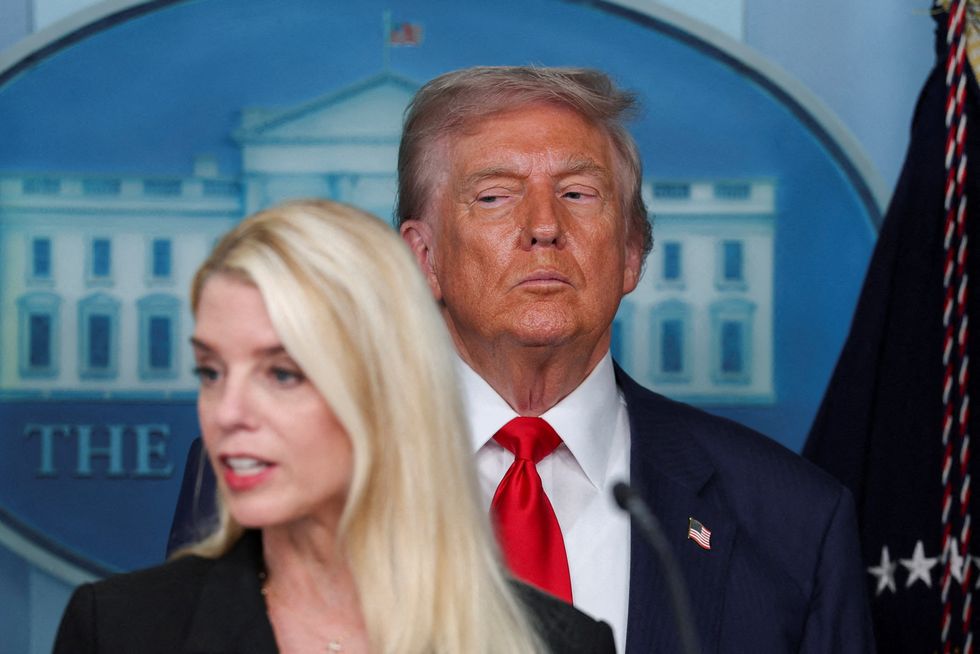
Although the inauguration of US President Donald Trump in January 2025 did not mean an immediate end to all digital asset regulation, many of the administration’s policies, from dismissing enforcement cases of crypto companies by the Securities and Exchange Commission to signing a stablecoin bill into law, signal apparent differences to previous US presidents and their chosen regulators.
“I expect an increasing number of jurisdictions to establish clear and transparent regulatory frameworks for the crypto industry, which should facilitate broader participation,” Ruslan Lienkha, YouHodler’s chief of markets, said in a statement shared with Cointelegraph. “Consequently, we are likely to see a significant rise in the involvement of banks and other financial institutions in the market in 2026.”
Digital asset market structure
As of late December, the US Senate has yet to vote on legislation to establish clear regulatory guidelines for digital assets.
The initial bill, known as the Digital Asset Market Clarity Act (CLARITY), was passed by the House of Representatives in July. However, lawmakers in the Senate said their versions of the legislation would “build on” the existing bill rather than passing it through the chamber without any changes.
As a result, leadership on the Senate Banking Committee released a Republican-led discussion draft of the bill in July, and the Senate Agriculture Committee announced a bipartisan draft in November. Both bills will need to go through the respective committees before the full chamber can vote on either, or some combination thereof.
The drafts suggested that Congress could grant the Commodity Futures Trading Commission more authority to regulate digital assets. The Securities and Exchange Commission has taken on a more prominent role in overseeing cryptocurrencies, with some notable exceptions.
According to digital asset management company Grayscale, the bill will “facilitate deeper integration between public blockchains and traditional finance, facilitate regulated trading of digital asset securities, and potentially allow for onchain issuance by both startups and mature firms.”
Related: Republicans urge action on market structure bill over debanking claims
Both agencies have filed enforcement actions and issued rulemaking affecting the industry, but the SEC oversees exchange-traded funds tied to digital assets. The CFTC regulates Bitcoin (BTC) and Ether (ETH) as commodities in digital form.
Implementation of the GENIUS stablecoin act
One of the other pieces of legislation to emerge from a Republican-led US Congress in 2025 was the GENIUS Act, which aimed to establish a regulatory framework for payment stablecoins. Although Trump signed the bill into law in July 2025, it will take effect either 18 months after enactment or 120 days after regulators approve regulations related to implementation, putting the timeline in 2026 or later.
As part of the implementation process, the US Treasury Department opened two rounds of comments for proposed rules related to the GENIUS Act in August and September. The notice of proposed rulemaking could be made public in the first half of 2026, according to some experts.
“As regulatory clarity solidifies, particularly through laws like the GENIUS Act that establish federal stablecoin oversight, banks are increasingly exploring onchain tooling that could transform payments, settlements and liquidity provisioning,” Gracy Chen, CEO of Bitget, said in a statement shared with Cointelegraph. “Should major US banks begin issuing compliant stablecoins or tokenized deposits, we could see significant expansion of global liquidity, faster transaction settlement times, and richer DeFi composability built on regulated infrastructure.”
In addition to the Treasury, other US banking regulators have put forward proposals for stablecoin rules. On Dec. 16, the Federal Deposit Insurance Corporation (FDIC) proposed that subsidiaries of supervised banks could issue payment stablecoins under the criteria passed under GENIUS.
CFTC leadership yet to be named by Trump
In 2025, four out of the five commissioners serving as the CFTC’s leadership stepped down, leaving only Republican Caroline Pham to serve as the acting chair and the agency’s sole commissioner as of December.
Although Trump initially nominated former CFTC Commissioner Brian Quintenz to replace Pham as a Senate-confirmed chair of the agency, the White House pulled him from consideration in September, reportedly in response to pushback from Gemini co-founders Tyler and Cameron Winklevoss, who are both Trump donors and prominent figures in the crypto industry.
The withdrawal of Quintenz paved the way for Trump to nominate SEC official Michael Selig as CFTC chair. Selig’s nomination advanced out of the Senate Agriculture Committee in November, and in the full chamber later confirmed him as chair in a 53 to 43 vote as part of a package of nominees.
As of December, Trump has not publicly announced any potential replacements for the four remaining CFTC commissioner seats, despite many of them being vacant for months.
State-level crypto reserves
In June, Texas Governor Gregg Abbot signed a bill into law creating a state-managed fund that could hold Bitcoin (BTC), making the state the first to establish a crypto reserve. State officials announced in November that the fund held $5 million worth of shares in BlackRock’s spot Bitcoin ETF with plans to invest an additional $5 million directly in BTC, a move that could come in 2026.
Although many lawmakers in other US states proposed similar crypto reserve bills in 2024 and 2025, only legislation in Arizona and New Hampshire was signed into law. Both states could announce BTC or other crypto purchases in the coming year as part of their governments’ treasury strategy.
Magazine: When privacy and AML laws conflict: Crypto projects’ impossible choice
Source: https://cointelegraph.com/news/upcoming-crypto-legislation-policies-2026?utm_source=rss_feed&utm_medium=feed&utm_campaign=rss_partner_inbound