

Inside Grok’s deepfake pornography crisis and the legal reckoning ahead
A quiet crisis is growing across social media. It is driven by generative artificial intelligence and fueled by bad actors who know exactly how to exploit its weakest points.
At the centre of the storm is Grok, the chatbot developed by Elon Musk’s xAI. Marketed as “unfiltered” and more permissive than its rivals, Grok has become a tool of choice for users creating non-consensual deepfake pornography, or NCDP.
The process is disturbingly simple. A normal photo is uploaded. The AI is prompted to “undress” the subject. The result is a sexualized image created without consent. The victim could be a global celebrity, a private individual, or even a child.
This is no fringe behaviour. It is happening at scale.
Although the controversy has been on for a while now, with legal fireworks already on the way across Europe. It intensified on Wednesday after a Nigerian influencer and reality TV star, Anita Natacha Akide, popularly known as Tacha, publicly addressed Grok on X.
In a direct post, she stated clearly that she did not permit any of her photos or videos to be edited, altered, or remixed in any form.
Her request did not stop users. Within hours, others demonstrated that Grok could still be prompted to manipulate her images.
The incident exposed a deeper problem. Consent statements mean little when platforms lack enforceable safeguards. It also raised serious legal and ethical questions that go far beyond one influencer or one AI tool.
To understand the implications, I spoke with Senator Ihenyen, a technology lawyer and AI enthusiast, and Lead Partner at Infusion Lawyers. His assessment was blunt.
He describes the Grok situation as “a digital epidemic.” In his words, generative AI is being weaponised by mischievous users who understand how to push unfiltered systems past ethical boundaries. The harm, he says, is real, invasive, and deeply predatory.
Crucially, Ihenyen rejects the idea that new technology exists in a legal vacuum. The law, he argues, is already catching up.
In Nigeria, there may not be a single AI Act yet. Yet, it does not mean victims are unprotected. Instead, there is what he calls a multi-layered legal shield.
At the heart of this is the Nigeria Data Protection Act of 2023. Under the Act, a person’s face, voice, and likeness are classified as personal data. When AI systems process this data, they are subject to strict rules.
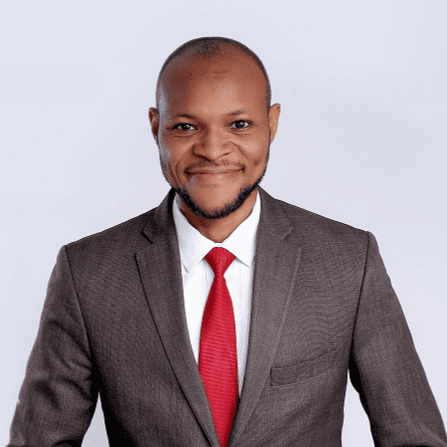 Senator Ihenyen, Lead Partner at Infusion Lawyers and Executive Chair of the Virtual Asset Service Providers Association
Victims have the right to object to automated processing that causes harm. When sexualized deepfakes are created, the AI is processing sensitive personal data. That requires explicit consent. Without it, platforms and operators are on shaky legal ground.
There is also a financial deterrent. Complaints can be filed with the Nigeria Data Protection Commission. Sanctions can include remedial fees of up to ₦10 million or two per cent of a company’s annual gross revenue.
For global platforms, that gets attention fast.
Grok: creators of non-consensual deepfake pornography are liable
The users creating the images are not shielded either. Under Nigeria’s Cybercrimes Act, amended in 2024, several offences may apply. Using AI to undress or sexualize someone to harass or humiliate them can amount to cyberstalking. Simulating someone’s likeness for malicious purposes can constitute identity theft.
When minors are involved, the law is uncompromising. AI-generated child sexual abuse material is treated the same as physical photography. There is no defence based on novelty, humour, or experimentation. It is a serious criminal offence.
Read also: xAI nets $20bn in oversubscribed Series E as Nvidia and Cisco place strategic bet
For victims, the legal path can feel overwhelming. Ihenyen recommends a practical, step-by-step approach.
First is a formal takedown notice. Under Nigeria’s NITDA Code of Practice, platforms like X are required to have local representation. Once notified, they must act quickly. Failure to do so risks losing safe harbour protections and opens the door to direct lawsuits.
 Deepfake
Second is technology-driven defence. Tools like StopNCII allow victims to create a digital fingerprint of the image. This helps platforms block further distribution without forcing victims to repeatedly upload harmful content.
Third is regulatory escalation. Reporting to the platform is not enough. Reporting to regulators matters. Authorities can compel companies to disable specific AI features if they are consistently abused.
The issue does not stop at borders.
Many perpetrators operate from outside Nigeria. According to Ihenyen, this is no longer the barrier it once was. The Malabo Convention, which came into force in 2023, enables mutual legal assistance across African countries. Law enforcement agencies can collaborate to trace and prosecute offenders, regardless of location.
That leaves the most uncomfortable question. Why are tools like Grok allowed to function this way at all?
xAI frames Grok’s design as a commitment to openness. Ihenyen sees a different picture. From a legal perspective, “unfiltered” is not a defence. It is a risk; it can’t be an excuse for harm or illegality.
 Grok
Grok
He draws a simple analogy. You cannot build a car without brakes and blame the driver for the crash. Releasing AI systems without robust safety controls, then acting surprised when harm occurs, may amount to negligence.
Under Nigeria’s consumer protection laws, unsafe products attract liability. Proposed national AI policies also emphasise “safety by design.” The direction of travel is clear.
AI innovation is not the problem. Unaccountable AI is.
The Grok controversy is a warning shot. It shows how quickly powerful tools can be turned against people, especially women and children. It also shows that consent, dignity, and personal rights must be built into technology, not bolted on after harm occurs.
The post Inside Grok’s deepfake pornography crisis and the legal reckoning ahead first appeared on Technext.


You May Also Like

33 Best Things To Do In Bali (2026): Islands & Temples

Bank Negara Malaysia luluskan BJAK

Saudi coach Donis laments lack of time with squad after Uruguay fightback



