Bitcoin Mining Difficulty Drops in January 2026: What It Means for Investors
Bitcoin Mining Difficulty Adjusts Slightly as Challenges Persist for Miners
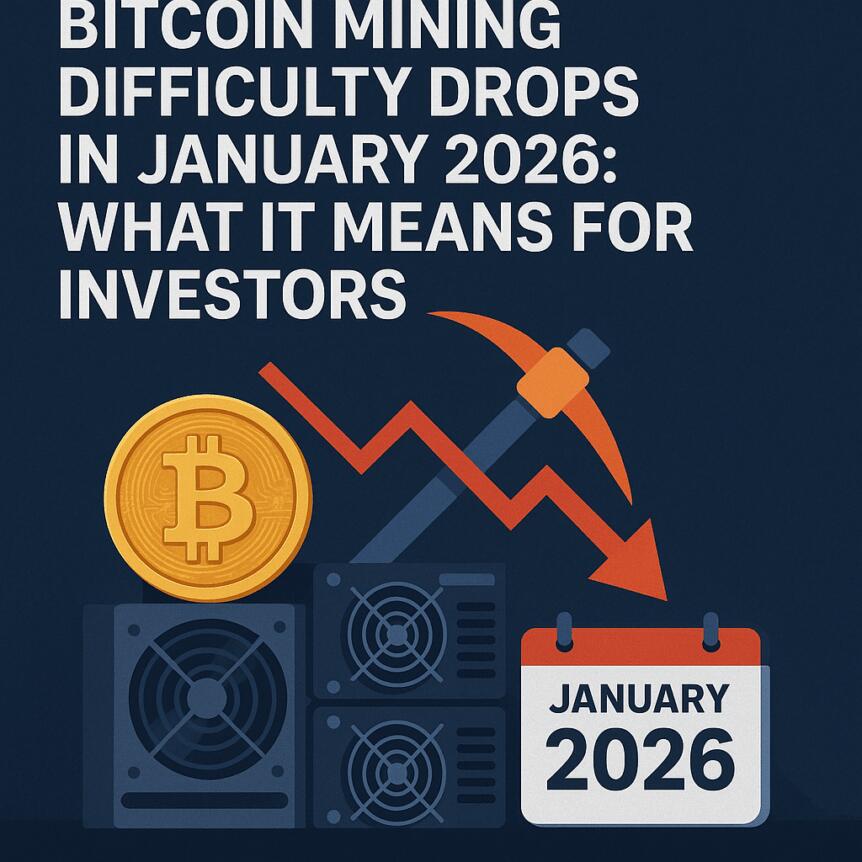
The Bitcoin network’s mining difficulty experienced a minor decline, dropping to 146.4 trillion, marking the first adjustment of 2026. This shift reflects ongoing complexities within the network, impacting the profitability and operational strategies of miners worldwide.
Key Takeaways
- The next difficulty adjustment is estimated for January 22, 2026, increasing the difficulty level from 146.47 trillion to approximately 148.20 trillion.
- Average block times are slightly below the 10-minute target, prompting a recalibration of difficulty to maintain optimal network performance.
- Despite reaching new peaks in 2025, mining difficulty remains below the All-Time High of 155.9 trillion recorded in November.
- Miners faced significant margin pressures in 2025, accentuated by the April halving and macroeconomic headwinds, leading to challenging profitability conditions.
Tickers mentioned: None
Sentiment: Neutral
Price impact: Neutral. The slight adjustment suggests neither a bullish nor bearish shift but reflects ongoing network stability efforts.
Market context: The adjustment underscores persistent macroeconomic challenges and industry pressures affecting mining operations, even amidst a broader crypto market recovery.
Mining Difficulty and Industry Challenges
The Bitcoin network’s mining difficulty marginally decreased to 146.4 trillion, indicating a slight easing in the escalating challenge of adding new blocks to the blockchain. CoinWarz estimates the upcoming difficulty adjustment, scheduled for January 22, 2026, will raise the difficulty from 146.47 trillion to approximately 148.20 trillion. This incremental rise aims to better align network performance with the target block time of about 10 minutes. Currently, the average block time is just under 10 minutes, hinting at the network’s effort to stabilize mining conditions.
Mining difficulty reached historic levels in 2025, with a final adjustment slightly increasing the difficulty. Nonetheless, it stayed below the previous peak of 155.9 trillion seen in November. The increase in difficulty reflects heightened competition among miners, compounded by macroeconomic, regulatory, and financial hurdles that characterized 2025.
The industry faced one of its most strenuous periods concerning profit margins, exacerbated by the Bitcoin halving in April 2024, which cut the block subsidy in half. This event, coupled with macroeconomic shocks and regulatory pressures, severely impacted miners’ revenues. As a result, the hash price, a crucial profitability metric, dipped below breakeven levels in November 2025, falling below $35 per petahash per second per day—multi-year lows that pressured miners’ operations. Additionally, tariffs imposed by the United States under the Trump administration further complicated supply chains, adding operational costs and uncertainties.
The broader crypto market downturn, triggered in October by a sudden flash crash, saw Bitcoin prices plummet by over 30%, reaching lows just above $80,000. Although prices have since recovered somewhat, they remain well below the October peak of over $125,000, underscoring ongoing volatility and industry headwinds.
This article was originally published as Bitcoin Mining Difficulty Drops in January 2026: What It Means for Investors on Crypto Breaking News – your trusted source for crypto news, Bitcoin news, and blockchain updates.


You May Also Like

Siren (SIREN) Surges 284% After 68% Weekly Decline: Recovery or Dead Cat Bounce?

Who’s Really Holding Wall Street’s Crypto?