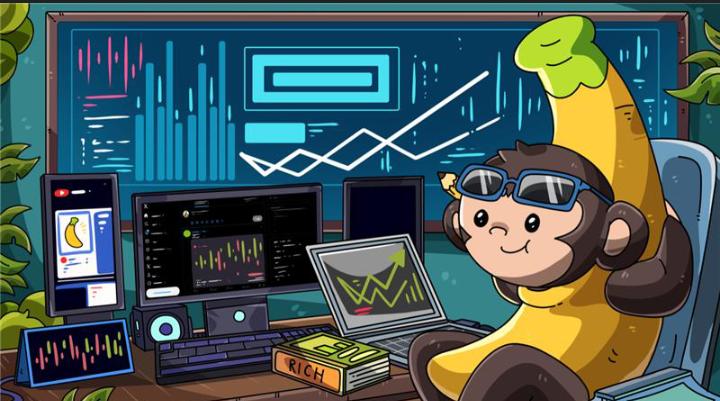
Three years ago, creating a cartoon character that looked consistent across multiple scenes required either professional animation software expertise or a budget for freelance illustrators. A simple 10-scene storyboard with a single character could cost $500-2,000 and take weeks to produce. For solo creators, educators, and small business owners with visual storytelling ideas, the economics simply didn’t work.
Today, the same creator can generate those 10 scenes in under an hour using an AI cartoon generator, with their character maintaining identical features across every frame. The technology that once required Pixar-level resources is now accessible to anyone with a laptop and a creative vision.
This shift isn’t just about cost reduction. It’s restructuring who gets to participate in visual storytelling. The rise of specialized AI cartoon generators has created a new category of creator: solo operators running what are effectively mini animation studios from their kitchen tables, producing content that competes with professionally illustrated work.
The Market Momentum Behind AI-Powered Visual Creation
The numbers tell a compelling story. The AI-powered animation generator market reached $33.21 billion in 2025, expanding at a 28.3% growth rate according to recent market research. The AI comic generator segment alone grew from $2.07 billion in 2024 to $2.5 billion in 2025, with projections reaching $11.61 billion by 2033.
What’s driving this growth? Adobe’s 2025 Creators’ Toolkit Report surveyed over 16,000 creators globally and found that 86% now use creative generative AI tools in their workflows. Even more telling: 76% report that AI has accelerated the growth of their business or follower base, and 81% say it helps them create content they otherwise couldn’t have made.
The creator economy is no longer waiting for AI to mature. It’s already building on it.
The Character Consistency Problem That Defined the Category
General-purpose AI image tools like DALL-E, Midjourney, and Stable Diffusion introduced text-to-image generation to mainstream users in 2022 and 2023. But a critical limitation quickly became apparent: these tools excel at creating individual images, not consistent characters across multiple scenes.
Every generation starts fresh. The same prompt produces slightly different results each time—hair texture shifts, proportions change, outfit colors drift. For a one-off social media graphic, this variability is fine. For storytelling applications—children’s books, animated content, educational series, brand mascots—it’s a dealbreaker.
This gap between single-image generation and consistent character creation spawned a new category of specialized tools. Platforms like Neolemon emerged specifically to solve the consistency problem, enabling creators to lock a character’s appearance and generate unlimited scene variations while maintaining visual identity.
The Mini Pixar Studio Model: A New Category of Creative Business
The implications extend far beyond hobbyist experimentation. A new business model has emerged: solo creators operating as one-person creative studios, producing visual content at volumes and speeds previously requiring teams.
Consider the workflow transformation. Traditional character illustration involves briefing an artist, reviewing sketches, requesting revisions, waiting for final delivery, and repeating for each new scene. Timeline: weeks to months. Cost: hundreds to thousands per character. With an AI cartoon generator optimized for consistency, creators design their character once, refine until perfect, then generate new scenes in minutes.
At Neolemon, we’ve positioned around this ‘mini creative studio’ concept—giving solo creators the character consistency and workflow tools that enable professional storytelling output. Our platform serves over 23,000 creators, spanning children’s book authors, educators, YouTube creators, and small business marketers. The common need: maintaining character identity across the volume of visual content their projects require.
The pattern we see repeatedly: a children’s book author publishes 20 fully-illustrated titles in four months after years of being blocked by illustration costs. A YouTube educator creates a consistent cartoon host for their channel, generating new episode thumbnails weekly. A small business owner develops a brand mascot that appears across social media, presentations, and marketing materials—all produced in-house.
Where AI Cartoon Generators Create Business Value
The applications span industries, though certain use cases have emerged as particularly strong fits.
Self-published children’s books represent the most mature use case. Amazon KDP authors use AI cartoon generators to illustrate picture books that previously required $5,000-15,000 in freelance illustration costs. The economics shift from ‘massive upfront investment with uncertain returns’ to ‘low-cost experimentation with rapid iteration.’
Educational content creation follows closely. Teachers, course creators, and corporate trainers use consistent cartoon characters to create engaging visual materials. A math instructor develops a cartoon tutor who appears across lesson slides, worksheets, and video thumbnails. The character becomes a recognizable element that students associate with the learning experience.
Content creators building cartoon personas for YouTube and social media represent a growing segment. These creators generate new episode content without traditional animation production costs, maintaining visual consistency that builds audience recognition over time.
The Quality Reality: What AI Can and Cannot Deliver
Honest assessment of AI cartoon generator capabilities requires acknowledging both strengths and limitations. Output quality now rivals mid-tier freelance illustration in technical execution—consistent style, appropriate proportions, visual appeal at print resolution.
What AI doesn’t replicate is the distinctive artistic voice that defines top-tier illustrators. A Mo Willems or Eric Carle brings decades of developed style that makes their work instantly recognizable. AI generates competent, appealing cartoon imagery; it doesn’t generate artistic genius.
For most commercial applications, however, this distinction matters less than critics assume. Parents buying children’s books prioritize story quality and visual appeal over illustrator pedigree. YouTube viewers care whether thumbnails are eye-catching, not whether a human hand drew them. Marketing managers need mascots that look professional and maintain consistency.
What This Means for the Creative Industry
The rise of AI cartoon generators doesn’t eliminate demand for professional illustrators—it redistributes where value gets captured in the creative supply chain. Premium illustration requiring unique artistic vision retains its market. What changes is the accessibility of competent visual content for projects that couldn’t previously justify illustration budgets.
The pattern mirrors previous technology shifts. Digital photography didn’t end professional photography; it enabled millions more people to participate while professionals moved upmarket. Digital audio workstations didn’t end music production; they enabled bedroom producers while professionals focused on work requiring accumulated skill.
AI cartoon generators are following this same arc. The barrier separating ‘people with visual ideas’ from ‘people who can execute visual content’ is collapsing. Projects that never existed because the economics didn’t work—the educator’s cartoon series, the self-published children’s book, the small business mascot—now get created.
The Solo Creator Revolution
We’re still early in understanding what happens when visual content creation becomes accessible to everyone with creative ambition. The tools will continue improving—better consistency, more styles, faster generation, enhanced multi-character capabilities.
What’s clear already: the solo creator with an AI cartoon generator can now produce visual content that competes with professionally illustrated work in many contexts. Having Pixar-level capabilities in your pocket isn’t a metaphor—it’s a new category of creative operation enabled by technology that would have seemed impossible five years ago.
For the teachers, authors, entrepreneurs, and storytellers who have been carrying visual ideas without the means to execute them, the question is no longer whether the technology exists. It does. The question is whether you’re ready to become your own one-person animation powerhouse and start creating.