Federal Reserve Rate Cut: Chicago Fed’s Goolsbee Signals Hopeful Shift for 2025
BitcoinWorld
Federal Reserve Rate Cut: Chicago Fed’s Goolsbee Signals Hopeful Shift for 2025
CHICAGO, March 2025 – Federal Reserve Bank of Chicago President Austan Goolsbee has set the financial world abuzz by publicly anticipating an interest rate cut within the year. This significant statement provides a crucial signal about the potential direction of U.S. monetary policy. However, Goolsbee simultaneously emphasized a data-dependent approach, underscoring the central bank’s cautious stance. His comments arrive at a critical juncture for markets, businesses, and consumers nationwide.
Federal Reserve Rate Cut Expectations Gain a Vocal Advocate
Austan Goolsbee, a voting member of the Federal Open Market Committee (FOMC) in 2025, articulated his outlook during a recent economic forum. He stated that current inflation trends and labor market conditions could justify a policy easing later this year. Consequently, investors immediately adjusted their forecasts for the timing of the first rate reduction. Goolsbee’s perspective carries substantial weight because he leads one of the twelve regional Federal Reserve Banks. Moreover, his academic background as a former economics professor informs his analytical, data-centric public communications.
This expectation for a Federal Reserve rate cut does not exist in a vacuum. It follows over two years of aggressive monetary tightening aimed at curbing the highest inflation in decades. The Fed’s benchmark federal funds rate currently sits at a restrictive level, designed to slow economic activity. Recently, however, key inflation metrics like the Personal Consumption Expenditures (PCE) index have shown consistent moderation. Therefore, policymakers like Goolsbee are now assessing when to pivot from restraint to support.
The Data-Driven Path to Lower Interest Rates
President Goolsbee stressed that any policy move remains contingent on incoming economic data. The Fed’s dual mandate—price stability and maximum employment—guides every decision. Specifically, officials need further confirmation that inflation is moving sustainably toward their 2% target. They also monitor employment figures to ensure the labor market cools without cracking. Upcoming reports on consumer prices, wage growth, and consumer spending will therefore be paramount.
Key Indicators the Fed is Watching
The Federal Reserve analyzes a dashboard of indicators beyond headline inflation numbers. Core metrics that exclude volatile food and energy prices provide a clearer trend. Additionally, services inflation and housing costs are critical components of their assessment. The following table outlines the primary data points influencing the rate cut debate:
| Data Series | Why It Matters | Recent Trend (2025) |
|---|---|---|
| Core PCE Inflation | The Fed’s preferred inflation gauge; excludes food & energy. | Moderating toward 2.5-3.0% |
| Employment Cost Index | Measures wage growth, a key driver of services inflation. | Growth slowing gradually |
| Job Openings (JOLTS) | Indicates labor market tightness and demand. | Declining from historic highs |
| Consumer Spending | Reflects underlying economic strength and demand. | Growing at a moderate pace |
Goolsbee’s call for patience aligns with recent FOMC meeting minutes. These documents reveal a committee committed to avoiding premature easing that could reignite inflation. Conversely, they also wish to prevent overly restrictive policy that damages the economic expansion. This balancing act defines the current policy landscape.
Historical Context and the Road to 2025
The current discussion about a Federal Reserve rate cut represents a potential inflection point. To understand its significance, one must review the recent policy trajectory. The Fed began raising rates in March 2022 to combat surging post-pandemic inflation. It executed the most rapid tightening cycle since the early 1980s. By mid-2023, the federal funds rate target range reached 5.25% to 5.50%, where it has remained.
This prolonged period of high rates has had profound effects:
- Housing Market: Mortgage rates soared, cooling home sales and construction.
- Business Investment: Borrowing costs for expansion and equipment rose sharply.
- Consumer Debt: Credit card and auto loan interest payments increased household burdens.
- Financial Markets: Equity and bond markets experienced heightened volatility.
Now, with inflation receding, the conversation has logically shifted. Policymakers like Goolsbee are evaluating whether the current rate level is still necessary. The “higher for longer” mantra is gradually giving way to discussions about the timing and pace of normalization.
Diverging Views Within the Federal Reserve System
While Goolsbee’s comments are notable, they represent one voice in a diverse committee. The FOMC comprises 12 members: the seven Washington-based Governors and five rotating regional Bank Presidents. Consensus is not guaranteed. Some officials, often labeled “hawks,” prioritize inflation risks and advocate for prolonged caution. Others, more “dovish” like Goolsbee, emphasize risks to employment and growth.
This internal debate is healthy and central to the Fed’s decision-making process. For instance, regional economic conditions vary significantly. A banker from a manufacturing-heavy district may see different pressures than one from a financial hub. Goolsbee’s Chicago district includes a diverse mix of industry and agriculture. His outlook likely incorporates data from this broad economic cross-section. Ultimately, the median projection of all 19 FOMC participants, summarized in the quarterly “dot plot,” will signal the committee’s collective leaning.
Implications for Markets and the Main Street Economy
The anticipation of a Federal Reserve rate cut carries immediate and long-term consequences. Financial markets often price in policy changes months in advance. Goolsbee’s statement alone can influence:
- Bond Yields: Expectations for lower short-term rates typically push down Treasury yields.
- The U.S. Dollar: Lower rate prospects can weaken the dollar’s value relative to other currencies.
- Stock Valuations: Lower borrowing costs can boost corporate earnings outlooks and equity prices.
For everyday Americans, the impact is more tangible. A rate cut cycle would eventually lead to lower borrowing costs for homes, cars, and businesses. Savers, however, might see diminished returns on savings accounts and certificates of deposit. The broader goal is to engineer a “soft landing”—reducing inflation without triggering a recession. Goolsbee’s optimism suggests he believes this challenging outcome is increasingly within reach.
Conclusion
Chicago Fed President Austan Goolsbee’s expectation for a Federal Reserve rate cut this year marks a pivotal moment in post-pandemic monetary policy. His data-dependent stance highlights the careful, evidence-based approach the central bank must maintain. While not a commitment, his comments provide a clear signal that policymakers are actively planning the next phase. The journey from aggressive tightening to cautious easing is complex. It requires continuous verification from economic reports on inflation and employment. For businesses planning investments and families considering major purchases, Goolsbee’s outlook offers a hopeful, though guarded, glimpse of financial relief on the horizon. The path to lower interest rates in 2025 is now openly charted, awaiting confirmation from the hard numbers.
FAQs
Q1: What exactly did Chicago Fed President Austan Goolsbee say about interest rates?
Austan Goolsbee stated he expects an interest rate cut by the Federal Reserve within the current year. However, he emphasized the need to review more economic data before confirming such a move, adhering to a data-dependent policy approach.
Q2: Why is Goolsbee’s opinion on a Federal Reserve rate cut important?
As President of the Federal Reserve Bank of Chicago and a voting member of the FOMC in 2025, Goolsbee’s views directly influence monetary policy discussions. His public statements provide insight into the thinking of key policymakers and can shape market expectations.
Q3: What economic data will the Fed review before cutting rates?
The Federal Reserve will primarily analyze inflation data, especially the Core PCE index, to ensure it is moving sustainably toward 2%. They will also monitor labor market conditions, including wage growth and job openings, to assess the balance between cooling inflation and maintaining employment.
Q4: How would a Federal Reserve rate cut affect average consumers?
Over time, rate cuts would lower borrowing costs for mortgages, auto loans, and credit cards. This could make large purchases more affordable. Conversely, interest earned on savings accounts might decrease.
Q5: Does Goolsbee’s view represent the entire Federal Reserve committee?
Not necessarily. While Goolsbee’s view is influential, the FOMC comprises members with diverse perspectives. The final decision on rate cuts will be determined by a consensus or majority vote of the committee, based on collective analysis of economic conditions.
This post Federal Reserve Rate Cut: Chicago Fed’s Goolsbee Signals Hopeful Shift for 2025 first appeared on BitcoinWorld.


You May Also Like

Gold Loses 15% From War Highs as Operation Epic Fury Safe Haven Trade Unwinds – Market Updates Bitcoin News
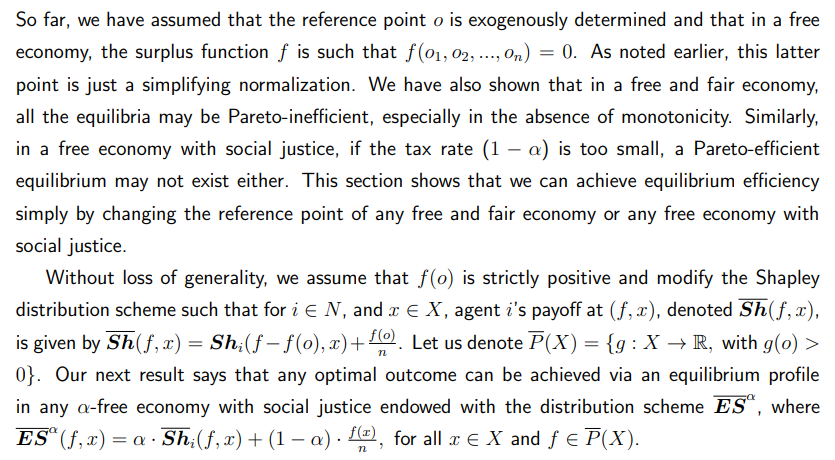
The Role of Reference Points in Achieving Equilibrium Efficiency in Fair and Socially Just Economies