Cryptocurrency Embezzlement Nightmare: Chinese Employee Jailed After Losing Stolen Funds in Risky Crypto Bets
BitcoinWorld
Cryptocurrency Embezzlement Nightmare: Chinese Employee Jailed After Losing Stolen Funds in Risky Crypto Bets
In Xiamen, China, December 2024, a publishing house employee’s desperate cryptocurrency gamble with stolen company funds culminated in a prison sentence, highlighting the dangerous intersection of workplace fraud and volatile digital asset markets. This case represents a growing pattern of financial crimes where perpetrators target traditional institutions to fund speculative crypto investments. Prosecutors in Fujian province recently detailed how an employee identified as Guo misappropriated 1.53 million yuan (approximately $214,000) through QR code manipulation before losing everything in cryptocurrency trading. The subsequent court ruling delivered a clear message about the consequences of such financial misconduct in China’s strictly regulated environment.
Cryptocurrency Embezzlement Case Details and Methodology
The Xiamen prosecutor’s office revealed specific details about Guo’s scheme that enabled the substantial theft. Rather than employing complex digital hacking techniques, Guo executed a surprisingly simple physical swap of payment identifiers. He replaced the company’s official WeChat Pay QR code with his personal version, thereby redirecting customer payments directly to his account over an extended period. This method allowed gradual fund accumulation without immediate detection by accounting systems. Forensic accountants later determined the theft occurred across multiple months, with Guo systematically covering his tracks through falsified transaction records. Meanwhile, financial investigators traced the stolen funds directly to cryptocurrency exchanges operating outside China’s regulatory framework.
Authorities documented Guo’s investment strategy as particularly reckless, even by cryptocurrency standards. He reportedly concentrated the entire embezzled amount into highly volatile altcoins and leveraged trading positions. Market analysis shows these investments coincided with significant cryptocurrency downturns in 2023-2024, resulting in near-total portfolio liquidation. The combination of poor timing and excessive risk-taking created a perfect storm of financial loss. Notably, Guo voluntarily surrendered to authorities after realizing recovery was impossible, a factor the court considered during sentencing deliberations.
Legal Framework and Sentencing in Chinese Financial Crimes
Chinese courts apply specific legal standards to embezzlement cases involving emerging technologies like cryptocurrency. The Criminal Law of the People’s Republic of China, particularly Article 271, governs misappropriation of company property by employees. Sentencing guidelines consider multiple factors including the amount stolen, restitution efforts, voluntary surrender, and societal impact. In Guo’s case, the 2-year, 3-month prison term plus financial penalty reflects standard sentencing for amounts between 1-2 million yuan when defendants demonstrate cooperation. Comparatively, cases involving larger sums or organized crime elements typically receive sentences exceeding 5 years.
Legal experts emphasize that cryptocurrency involvement doesn’t substantially alter sentencing calculations but does affect evidence collection and asset recovery. Chinese courts increasingly recognize cryptocurrency as property subject to theft laws despite the government’s trading restrictions. The table below illustrates recent comparable cases:
| Case Location | Amount Stolen | Crypto Involvement | Sentence |
|---|---|---|---|
| Shanghai (2023) | ¥890,000 | Mining equipment purchase | 18 months |
| Shenzhen (2024) | ¥2.1 million | Exchange trading | 4 years |
| Beijing (2023) | ¥1.2 million | NFT investments | 22 months |
Prosecutors particularly highlighted the “cautionary tale” aspect of this case during their public announcement. They specifically noted how cryptocurrency’s perceived anonymity and potential for rapid gains tempt individuals already considering financial misconduct. The Xiamen prosecutor’s office has since initiated educational programs for local businesses about payment system vulnerabilities.
Cryptocurrency Regulation Landscape in China
China maintains some of the world’s strictest cryptocurrency regulations, creating a complex environment for cases involving digital assets. Since 2021, authorities have implemented a comprehensive ban on cryptocurrency trading and mining within the country. However, Chinese citizens continue accessing international exchanges through virtual private networks (VPNs) and offshore accounts. This regulatory disconnect creates enforcement challenges when stolen funds move to platforms outside Chinese jurisdiction. Financial analysts estimate Chinese investors still participate significantly in global cryptocurrency markets despite official restrictions.
The government’s concerns primarily focus on three areas:
- Capital flight: Cryptocurrency enables moving wealth abroad bypassing currency controls
- Financial stability: Volatile assets threaten household savings and banking systems
- Criminal activity: Pseudonymous transactions facilitate money laundering and fraud
These concerns explain why cases like Guo’s receive substantial publicity from authorities. They serve dual purposes of demonstrating law enforcement effectiveness while discouraging public engagement with cryptocurrency markets. Recent regulatory developments include enhanced monitoring of peer-to-peer trading platforms and stricter internet controls targeting crypto-related content.
Psychological and Societal Factors in Crypto-Related Crime
Forensic psychologists identify several psychological drivers in cryptocurrency-enabled financial crimes. The “get-rich-quick” narrative surrounding digital assets, particularly following earlier Bitcoin successes, creates powerful temptation for individuals facing financial pressure. Additionally, cryptocurrency’s technological mystique sometimes generates overconfidence among novice investors who underestimate risks. In workplace settings, employees with system access may develop rationalizations about “borrowing” funds for temporary investments. Societal factors also contribute significantly, as demonstrated by these key elements:
- Intense financial anxiety among young urban professionals
- Limited legitimate investment avenues due to property market restrictions
- Social media amplification of cryptocurrency success stories
- Technological familiarity reducing perceived barriers to entry
Corporate security experts recommend specific countermeasures against similar crimes. These include regular QR code audits, segregation of financial duties, and employee education about cryptocurrency risks. Many Chinese companies now implement mandatory cooling-off periods for employees in financial roles and enhanced digital payment verification systems.
Broader Implications for Business Security
The QR code substitution method employed in this case exposes widespread vulnerabilities in modern payment systems. Businesses globally increasingly rely on static QR codes for transactions without adequate security protocols. Cybersecurity experts identify several weaknesses in current implementations, including lack of dynamic code generation, insufficient physical security measures, and inadequate transaction reconciliation processes. The publishing house case demonstrates how low-tech social engineering can bypass sophisticated digital defenses when basic physical controls are neglected.
Industry analysts note particular risks for small and medium enterprises with limited IT resources. These businesses often implement digital payment solutions without corresponding security upgrades. Recommended protective measures include:
- Daily verification of payment destination accounts
- Physical security for QR code display areas
- Regular employee training on fraud detection
- Implementation of dual-control systems for financial transactions
The case also highlights accounting challenges when investigating cryptocurrency-related theft. Traditional forensic accounting methods struggle with blockchain transactions, requiring specialized cryptocurrency tracing expertise. Law enforcement agencies worldwide are developing new capabilities to address this investigative gap, with Chinese authorities establishing dedicated digital asset investigation units in major cities.
Conclusion
The cryptocurrency embezzlement case in Xiamen illustrates multiple converging trends in financial crime, technology, and regulation. It demonstrates how simple fraud methods can enable substantial theft when combined with emerging technologies like cryptocurrency. The legal outcome reinforces China’s strict approach to both financial misconduct and digital asset trading. Furthermore, this case serves as a cautionary example for businesses worldwide about payment system vulnerabilities and employee risk factors. As cryptocurrency adoption continues evolving despite regulatory restrictions, similar cases will likely emerge across global jurisdictions, necessitating improved security measures and legal frameworks.
FAQs
Q1: What was the specific method used in this cryptocurrency embezzlement case?
The employee replaced the company’s WeChat Pay QR code with his personal code, redirecting customer payments to his account over several months before investing the stolen funds in cryptocurrency.
Q2: How does China’s cryptocurrency ban affect such legal cases?
Despite the trading ban, Chinese courts treat cryptocurrency as property in theft cases. The ban complicates asset recovery but doesn’t prevent prosecution for misappropriation.
Q3: Why did the employee receive a 2-year, 3-month sentence specifically?
Chinese sentencing guidelines consider amount stolen (1.53 million yuan), voluntary surrender, and cooperation. This places the case in a standard sentencing range for this offense level.
Q4: Can businesses prevent similar QR code substitution fraud?
Yes, through regular physical verification, dynamic QR codes, employee training, and separation of financial duties. Many companies now implement daily payment destination checks.
Q5: How common are cryptocurrency-related financial crimes in China?
Official statistics show increasing cases since 2020, though comprehensive data is limited. Authorities highlight such cases publicly to discourage crypto engagement and demonstrate enforcement.
This post Cryptocurrency Embezzlement Nightmare: Chinese Employee Jailed After Losing Stolen Funds in Risky Crypto Bets first appeared on BitcoinWorld.


You May Also Like

PMI-ACP Exam Preparation: How to Use a Simulator and Practice Questions Effectively
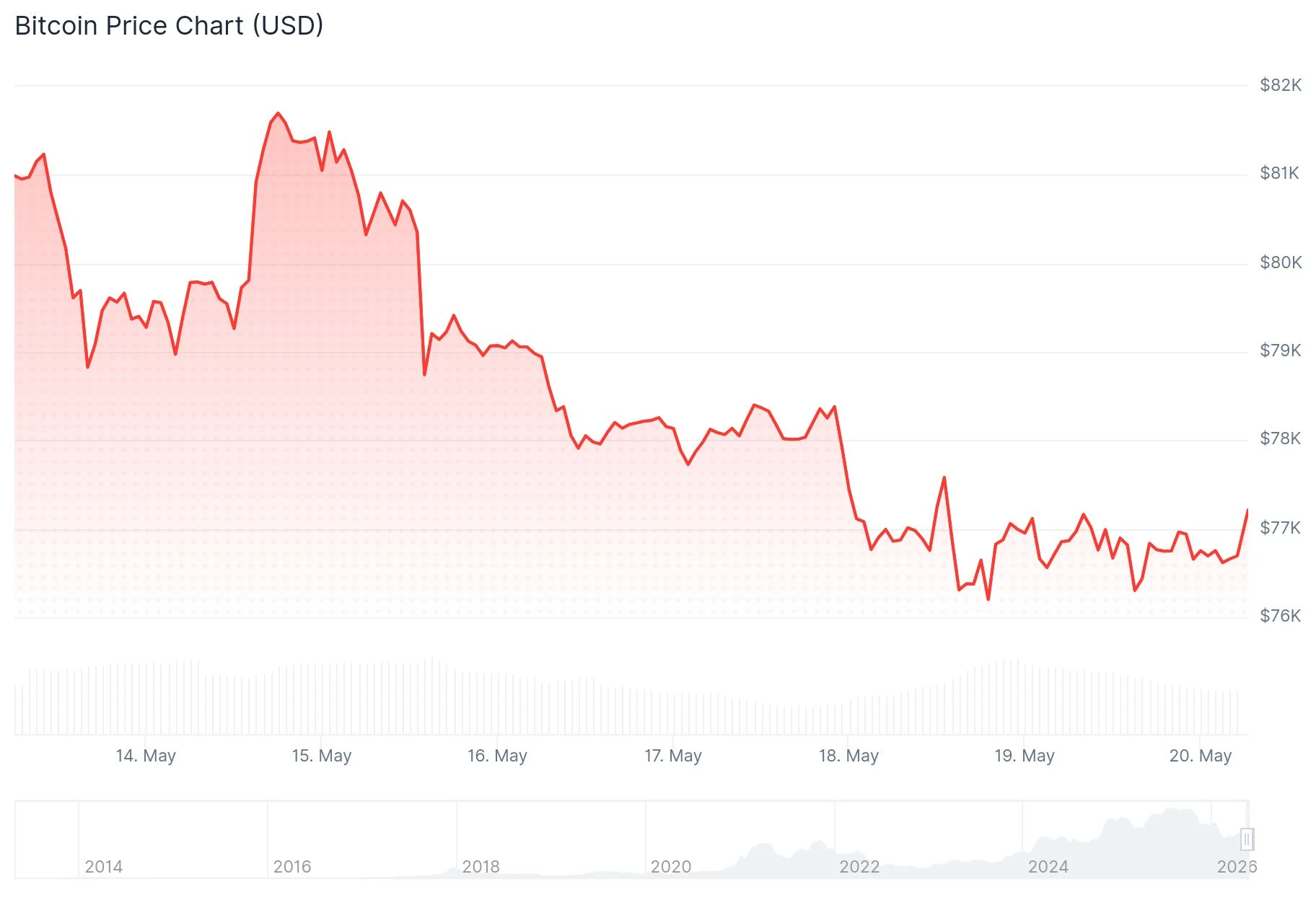
Bitcoin (BTC) Hovers Above $77K Amid Iran Diplomacy and Rising Treasury Yields