From acquisition to abandonment, why did Nike's Web3 brand RTFKT close?
Author: Zen, PANews
In the past few years, the exploration of digital fashion and Web3 has attracted a lot of capital and creativity, and one of the most representative projects is RTFKT. As a team that breaks through tradition, RTFKT has made waves at the intersection of blockchain and fashion with its unique digital creativity and NFT projects, attracting the attention of Nike and achieving a merger and acquisition in 2021. However, despite high hopes for RTFKT, its role in Nike's strategic transformation has never achieved the expected success.
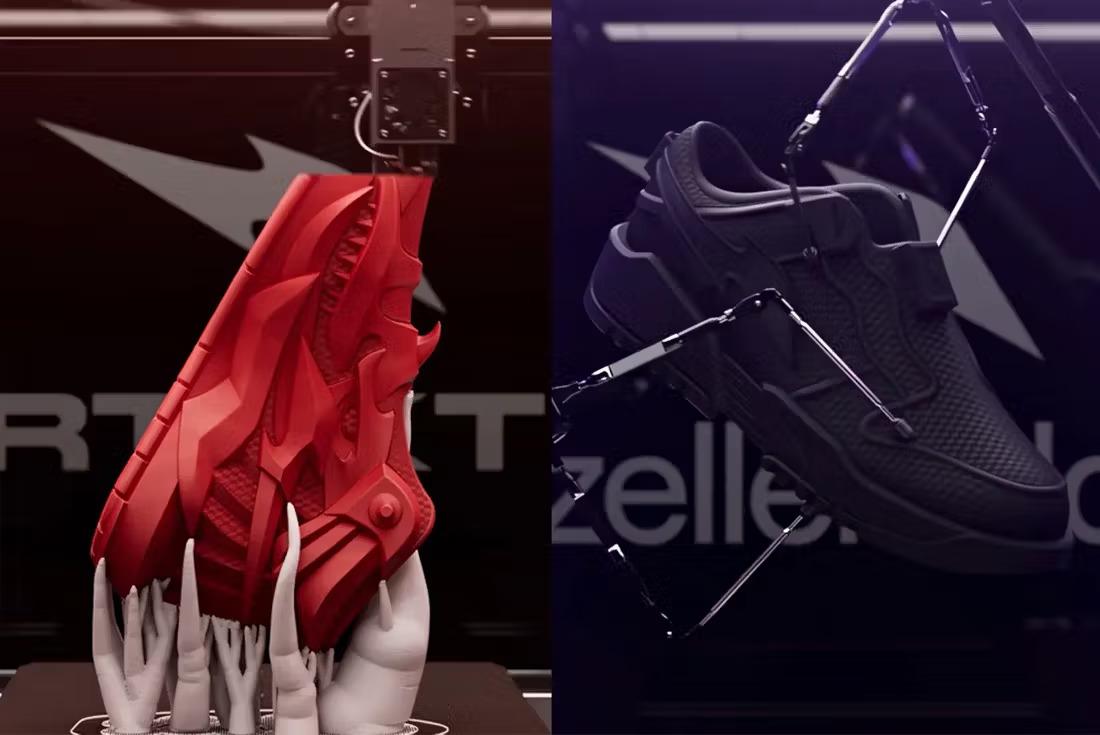
The MNLTH X Blade Drop, launched in collaboration with 3D printed shoe manufacturer Zellerfeld, was the last dance for digital fashion and Web3 platform RTFKT, which also became a failed attempt at creative transformation for Nike.
RTFKT: An unexpected ending
The MNLTH x Blade Drop series was released on Zellerfeld's website on January 16, and includes six sneakers: RTFKT Dunk, CodeX Dunk, Bladed Dragon, Undead Evo, Reptile Evo and Cybr Stomper. In this release, RTFKT also showed its sincerity. The new series abandoned traditional Nike shoe styles such as Air Force 1 and adopted more low-key shoe styles such as Undead Evo. The midsole of this shoe is similar to the jaw and molars of reptiles, which is creative and full of personality.
With the official launch of the MNLTH X project, RTFKT's crypto journey has also reached its end. However, facing RTFKT's final farewell, most people in the community obviously do not buy it. One user said: "The shoes are so cool, but I don't understand how it feels to spend more money on a pair of shoes from a company that no longer exists in addition to the money spent on NFTs and physical objects." Many users also bluntly said that RTFKT was a Rug behavior, and urged the project party to quickly close the account and forget about it from then on.
In early December 2024, RTFKT published an announcement on X (formerly Twitter) that it would cease operations, and its Polygon-based virtual creation platform .Swoosh would continue to exist in the Web3 field. "RTFKT is not over, it is becoming what it should be - a relic of the cultural revolution." RTFKT said in a statement. Amidst the surprise, several users also expressed their hope to take over its flagship NFT series Clone X to replicate the story of Luca Netz's acquisition of Pudgy Penguins and turning it into the top NFT project.
Clone X is an Ethereum-based PFP type project, launched in 2021 by RTFKT in collaboration with Japanese contemporary artist Takashi Murakami. In fact, Clone X itself is also one of the most famous and successful PFP projects in the NFT field, generating over $800 million worth of transactions to date. In the downturn of the NFT market, the series has also continued to slide from the historical highest reserve price of $63,000 in 2022 to the current 0.24 ETH, worth less than $1,000. In addition to the sluggish performance of the market itself, RTFKT was eliminated from Nike's series of brands and businesses, which may also be related to the strategic adjustment of this leading sports brand, which starts with the acquisition.
Why did sports giant Nike acquire RTFKT?
In December 2021, Nike acquired RTFKT for an undisclosed amount. John Donahoe, then Nike CEO and president, said it was a step to accelerate "Nike's digital transformation, enabling us to serve athletes and creators at the intersection of sports, creativity, games and culture." Donahoe also said that Nike's plan is to invest in the RTFKT brand, serve and develop its innovative and creative community, and expand Nike's digital footprint and capabilities. "
The strategic layout of acquiring RTFKT and entering the new digital field of NFT may have its origins in 2017. In that year, Nike announced its "consumer direct attack" strategy, which included enhancing the company's digital influence and establishing more "one-to-one connections" with consumers.

In 2020, when announcing Donahoe's appointment, Nike's then-CEO Mark Parker said Donahoe was "very suitable" to achieve these goals. Judging from his resume, Donahoe is indeed the best candidate - he served as the market president of e-commerce platform eBay as early as 2005 and was responsible for its core business; he served as eBay's CEO from 2008 to 2015.
When Donahoe joined Nike, the sports giant was actively expanding its DTC (Direct-to-Consumer) business, and the digital business provided Nike with the ability to directly reach and serve consumers. Digital channels not only eliminated the middle link of traditional wholesale, but also facilitated the collection of data such as consumer preferences and habits, and also enhanced the interactive experience between consumers and brands. This led Nike to increase its investment in digital business, and the acquisition of RTFKT was also completed in this context.
The story behind: Nike's continued downturn and "change of dynasty"
In the past few years, Nike's transformation to DTC has not been successful, and Nike, led by Donahoe, has also repeated its inclination and dependence on traditional wholesale business and DTC business. In 2021, Nike began to cut wholesale partners to focus more on the DTC business. However, cutting too quickly led to excessive inventory and had to make big discounts. After finding that the step was too big, Nike began to include wholesale partners such as DSW back into its business scope in 2023. As part of the transformation to DTC, and also in order to cut costs amid declining sales, Nike has also carried out multiple rounds of layoffs in the past two years, and many "senior employees" have also been affected.
In March 2024, Nike announced that its digital business had declined for the first time in nine years, and Nike's market value has shrunk by nearly half in the past three years. Due to poor performance, John Donahoe chose to leave in October 2024, and Nike invited back Elliott Hill, a senior employee of the company, as his successor. Hill has worked at Nike for more than 30 years, working his way up from an apparel sales intern to president of consumer markets. Shortly after Donahoe became the head of Nike, Hill chose to leave.
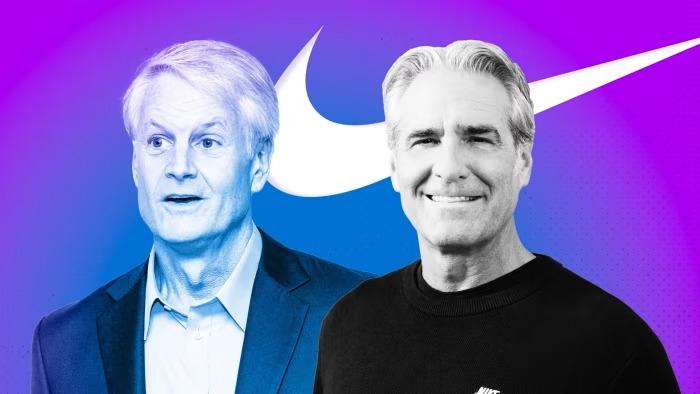 John Donahoe (left) and Elliot Hill (right)
Elliot Hill changed the company's business focus after taking office. He promised that the company would shift its focus and resources to make "sports the North Star of Nike again." Hill said that Nike had "lost its obsession with sports" and vowed to get the company back on track. In addition, he also hopes to work hard to strengthen the already weak wholesale business and reverse some strategic mistakes under the leadership of the previous CEO, such as the deterioration of relations with retailers such as Foot Locker.
RTFKT, which is an old legacy of the Donahoe era, is completely insignificant compared to Hill's core business, regardless of its importance or business scale. In Nike's official press release announcing Donahoe's resignation as president and CEO, the RTFKT logo was not included in its brand lineup. It is only a matter of time for Nike to withdraw from the NFT field.
It is worth mentioning that Nick O'Neill, co-founder of the NFT project BoDoggos, who seemed to have known the "inside story", tweeted in March 2024 that RTFKT would be shut down at the end of the year. The unbelievable community immediately criticized him, and RTFKT co-founder @Zaptio personally mocked him: "It seems that I also missed the memo of closure", and said that Nick was talking nonsense.
In the end, time will test everything.


You May Also Like

Bitcoin (BTC) Price Forecast: Legendary Trader Projects $250K Target While Warning of Extended Consolidation
Bitcoin (BTC) Price Prediction: Peter Brandt Points to $250K but Says the Bottom Isn’t In Yet