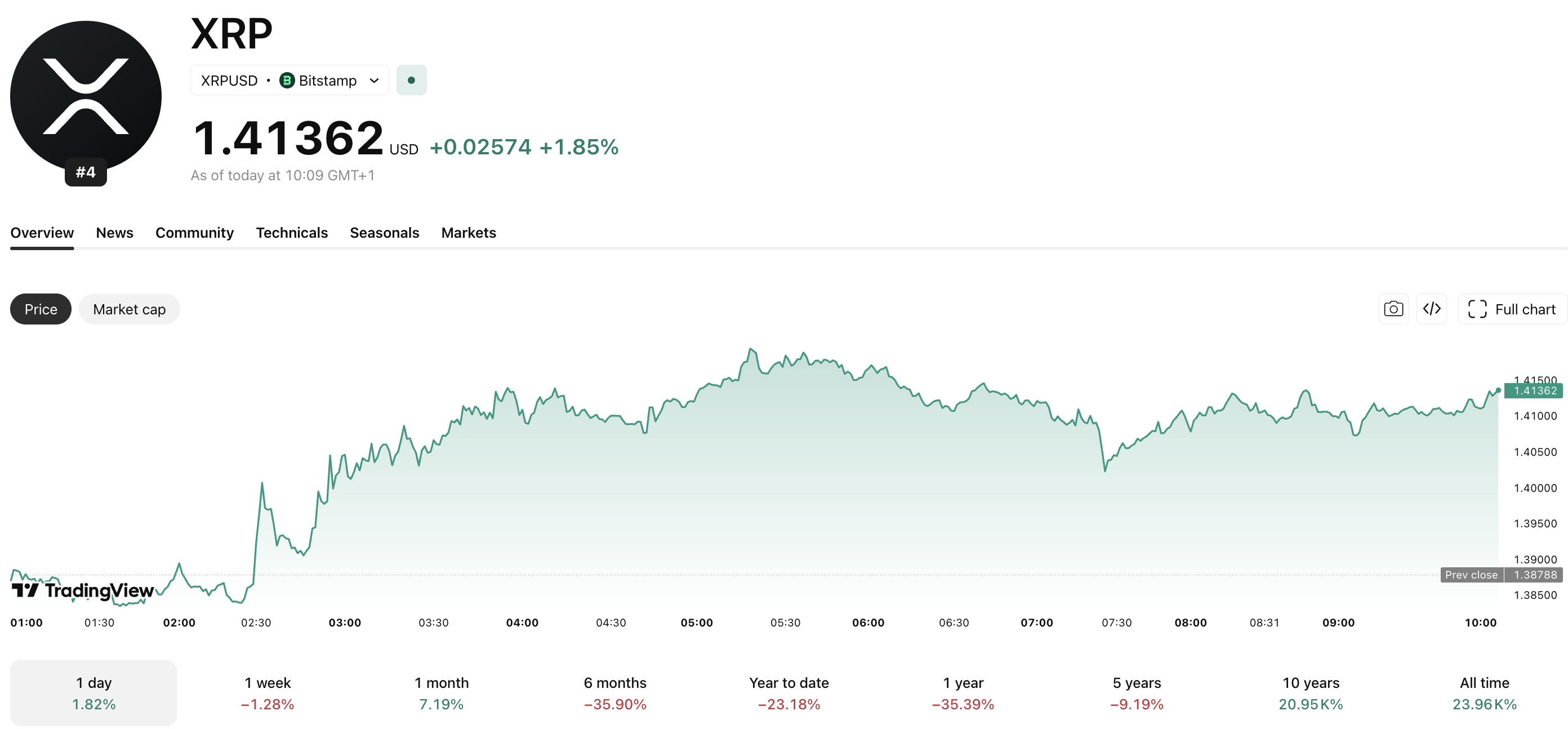
Urmila Shukla lives in Bagrahiya village of Shravasti district, where her workday begins early and often stretches late into the night.Urmila Shukla lives in Bagrahiya village of Shravasti district, where her workday begins early and often stretches late into the night.

How consistent stitching built a small business in Shravasti district
2026/01/26 18:15
3 min read
For feedback or concerns regarding this content, please contact us at crypto.news@mexc.com

Urmila Shukla lives in Bagruiya village of Shravasti district, where her workday begins early and often stretches late into the night. Today, she runs a small tailoring shop called Kirti Silai Centre, but the path to a stable storefront was gradual, shaped by years of learning, domestic responsibilities, and cautious decisions taken at different stages of her life.

Shukla learned stitching as a teenager while she was still studying. Training outside her village, before marriage brought her to Shravasti. Formal education was halted after the shift, but the skill stayed with her. For years, she worked from home, using a single machine to stitch clothes for neighbours and acquaintances who came with small, routine requests. At the time, the work was modest and fitted around household duties, with no clear plan to turn it into a business.

Over time, word spread beyond the village. Clothes began arriving from nearby localities and the volume of work grew enough for her to consider a separate space. The decision to move out of the house was not immediate. Her husband was away working and the family weighed the risk of rent against uncertain income. Eventually, a small shop was rented, and she began by offering stitching services, enough to cover basic expenses and keep the space running.

Turning skill into a livelihood

The shop became a turning point. As more customers flocked in from five or six neighbouring villages, Shukla found that a dedicated workspace allowed her to manage larger orders and tighter timelines. She stitches women’s garments, including salwar suits, blouses, petticoats, and trousers, handling the work herself and setting her own hours based on demand. Trust, she says, became the defining factor. Customers returned because orders were completed on time, often without regard to her own schedule.

Early doubters suggested the shop would not last. The first few months were financially tight, with rent payments a constant worry. Still, she persevered, testing designs on her own clothes before accepting unfamiliar patterns and gradually built confidence with each completed order. “I kept thinking that if I don’t stop now, the work will slowly find its way,” she said.

Support came later through the Mukhyamantri Yuva Udyami Vikas Abhiyan (CM YUVA) Yojana, which helped her improve the shop’s setup and add basic inventory alongside tailoring. Under the CM Yuva Yojana, the assistance was used to strengthen what already existed rather than start afresh, enabling her to better respond to customer needs and manage the growing workload.

Stability built stitch by stitch

Four years into running the shop, Shukla’s days are long but predictable. She opens early, often works past midnight during peak periods, and handles all orders herself. Customers now come from farther away, including migrants living nearby, who rely on her for dependable work. The shop has become a well-established stop in the area, not because it expanded quickly, but because it remained consistent.

Looking back, the transition from a single machine at home to a functioning shop feels less like a leap and more like a series of small, steady steps. The early uncertainty, the pressure of rent, and the careful use of support have settled into a routine that sustains both the business and the household, offering a sense of continuity rooted in skill and persistence, rather than sudden change.


Disclaimer: The articles reposted on this site are sourced from public platforms and are provided for informational purposes only. They do not necessarily reflect the views of MEXC. All rights remain with the original authors. If you believe any content infringes on third-party rights, please contact crypto.news@mexc.com for removal. MEXC makes no guarantees regarding the accuracy, completeness, or timeliness of the content and is not responsible for any actions taken based on the information provided. The content does not constitute financial, legal, or other professional advice, nor should it be considered a recommendation or endorsement by MEXC.

You May Also Like

TransFi Secures Pivotal $19.2M Funding to Revolutionize Global Stablecoin Payments

TransFi Secures Pivotal $19.2M Funding to Revolutionize Global Stablecoin Payments

BitcoinWorld TransFi Secures Pivotal $19.2M Funding to Revolutionize Global Stablecoin Payments In a significant move for the digital payments sector, stablecoin
Share
bitcoinworld2026/03/18 11:50
Fan Token Firm Chiliz Acquires 2-Time ‘Dota 2’ Champions, OG Esports

Fan Token Firm Chiliz Acquires 2-Time ‘Dota 2’ Champions, OG Esports

The post Fan Token Firm Chiliz Acquires 2-Time ‘Dota 2’ Champions, OG Esports appeared on BitcoinEthereumNews.com. In brief The Chiliz Group has acquired a controlling stake in OG Esports, a prominent competitive gaming organization. OG Esports unveiled its own fan token on Chiliz’s Socios.com platform back in 2020. It recently hit an all-time high price. Chiliz has teased various future team-related benefits for OG token holders, along with a new Web3-related project. The Chiliz Group, which operates the Socios.com crypto fan token platform, announced Tuesday that it has acquired a 51% controlling stake in OG Esports, the competitive gaming organization founded in 2015 by Dota 2 legends Johan “nOtail” Sundstein and Sébastien “Ceb” Debs. OG made history as the first team to win consecutive titles at The International—the annual, high-profile Dota 2 world championship tournament—in 2018 and 2019, and has since expanded into multiple games including Counter-Strike, Honor of Kings, and Marvel Rivals. The team was also the first esports organization to join the Socios platform with the 2020 debut of its own fan token, which Chiliz said recently became the first esports team token to exceed a $100 million market capitalization. OG was recently priced at $16.88, up nearly 9% on the day following the announcement. The token’s price peaked at a new all-time high of $24.78 last week ahead of The International 2025, where OG did not compete this year. Following the acquisition, Xavier Oswald will assume the CEO role, while the co-founders will turn their attention to “a new strategic project consolidating the team’s competitive foundation [and] driving innovation at the intersection of esports and Web3,” per a press release. No further details were provided regarding that project. “Bringing OG into the Chiliz Group is a major step toward further strengthening fan experiences, one where the community doesn’t just watch from the sidelines but gets to shape the journey,” Chiliz CEO Alex Dreyfus…
Share
BitcoinEthereumNews2025/09/18 09:40
U.S SEC issues first-ever definitions for what crypto assets are securities

U.S SEC issues first-ever definitions for what crypto assets are securities

The post U.S SEC issues first-ever definitions for what crypto assets are securities appeared on BitcoinEthereumNews.com. For the first time, the U.S Securities
Share
BitcoinEthereumNews2026/03/18 12:24