

Is Robinhood or Coinbase better? A practical guide from FinancePolice
This guide compares Robinhood and Coinbase on fees, token availability, custody, trading tools, and support so you can decide which is the best crypto trading app for your situation.
Quick answer: which app is the best crypto trading app for you?
Short verdict by user type
best crypto trading app
If you want a short, practical take: Coinbase tends to suit dedicated crypto users who want a larger token catalog, more advanced trading interfaces, and explicit custody options, while Robinhood centers on simple in-app crypto trades alongside stocks and ETFs for people who prefer an integrated, beginner friendly view, though exact details can change so verify before you act Coinbase Help Center fees.
Beginner, active trader, long-term self custody holder, and token explorer each have different priorities. For quick decisions, think fees and order types for active traders, token list for explorers, and custody and withdrawal policies for long term holders. Both platforms update rules and pricing, so check live fee and custody pages for the latest terms Robinhood Support article.

One-paragraph summary of main tradeoffs
High level, the main tradeoffs are fees approach, crypto asset breadth, custody options, advanced trading tools, and the quality of support. Coinbase generally presents a broader product set and documented custody and wallet choices, while Robinhood emphasizes simplicity and a combined investing plus crypto app experience; which is better depends on your goals and how you value custody versus convenience Coinbase Help Center fees.
How to compare crypto apps: the core factors that matter
Fees and execution
Start comparisons by listing the kinds of costs you may pay. Look for explicit fees, spreads, and potential markups. Headline statements like no commission can hide execution costs or wider spreads that matter for small or frequent trades Robinhood Support article and independent comparisons such as Bankrate’s comparison.
Asset breadth and token support
Token listings determine whether you can buy specific assets on the platform. A larger crypto asset list gives access to niche tokens and different liquidity profiles, which matters if you plan to explore beyond major coins Coinbase Help Center fees.
Custody and wallets
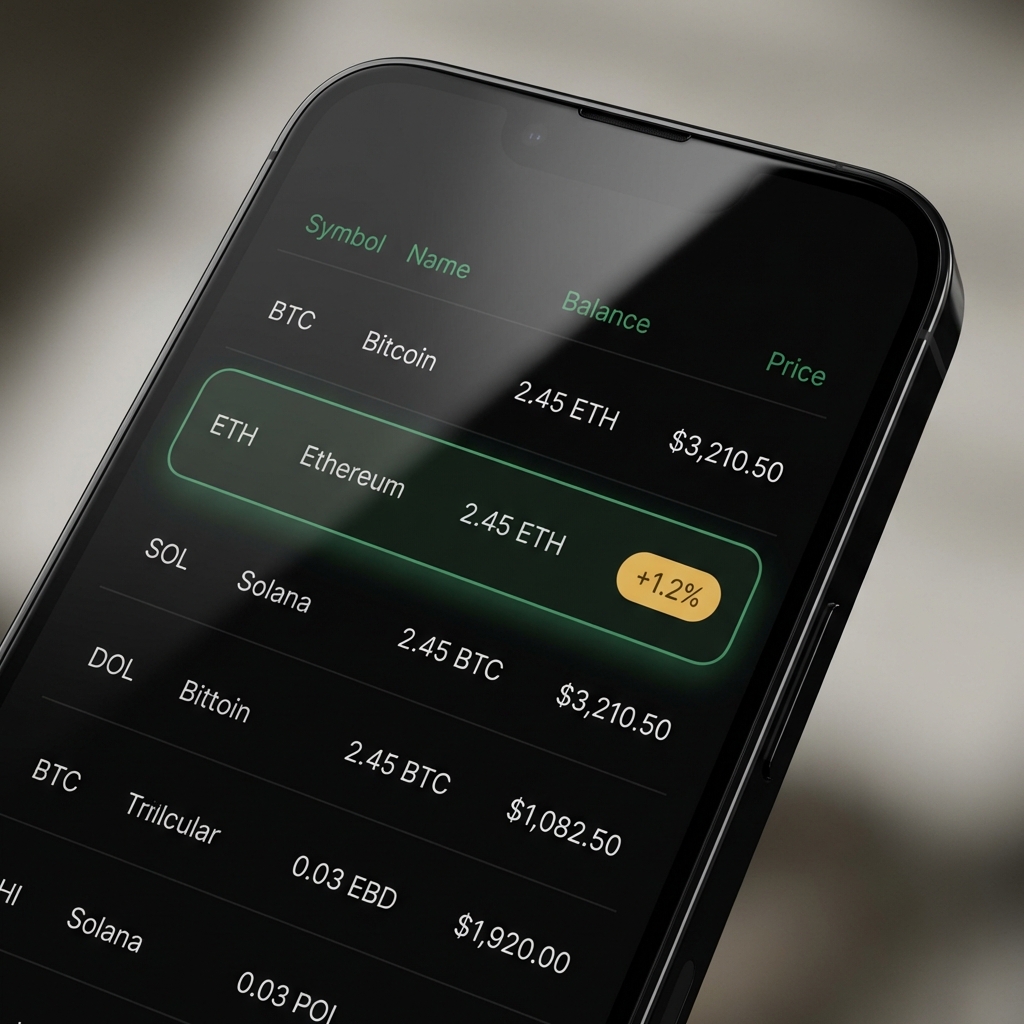
Custody is about who controls private keys and what insurance or guarantees exist for holdings on the platform. If you intend to hold assets long term, verify whether the app allows transfers to private wallets and what it says about insurance and custody arrangements Coinbase security overview. See related coverage on FinancePolice on FinancePolice.
Trading tools and order types
Order types, charting, stop and limit orders, and access to advanced views matter more for active traders than for buy and hold users. If you plan to trade often, check whether the platform offers advanced interfaces and the order types you need Investopedia comparison.
Support, UX, and regulation
Customer support channels, how quickly disputes are handled, and regional regulatory developments affect how safe and usable a platform is for you. Benchmark reports and platform help centers are useful to judge response times and regional differences Exchange benchmark report.
Why these factors matter to different users
If you trade frequently, execution and fees will dominate your decision. If you plan long term holding, custody and withdrawal rules are more important. If you seek niche tokens, asset breadth and listing policies will matter most. Use this checklist when you review any app in detail, and always verify live pages for fees and custody statements Robinhood Support article.
Fees explained: how cost comparisons really work
Types of fees and hidden costs to watch for
There are several ways a platform can charge for trades: explicit commissions, percentage fees, spreads between buy and sell prices, and markups baked into quoted prices. A no commission claim may simply mean no direct commission but a wider spread or markup still affects your final cost Coinbase Help Center fees.
Why trade size and order type change the math
Fee outcomes often depend on trade size, limit versus market orders, and whether you use a basic app flow or an advanced trading interface. Advanced platforms may show tighter spreads or different fee schedules for larger trades, so small examples do not always scale to larger positions Robinhood Support article.
Which app is better depends on your goals: Coinbase for dedicated crypto users who value a broader token list and self custody options, Robinhood for users who prefer a simple, integrated app for stocks and crypto.
Before you compare prices, name a typical trade size you expect to place. Then use that size to check the platform fee pages and any advanced pricing notes for limit or market orders so your comparison uses realistic numbers.
Where to check live fees
Both platforms publish fee information and notes about execution and spreads on their help pages. For the most accurate comparison, use the platforms’ current fee or pricing pages and any advanced trading help sections to estimate costs for your trade size and order type Coinbase Help Center fees.
Asset selection: which app lists more crypto and why that matters
Token breadth comparison
Coinbase lists a substantially larger set of cryptocurrencies and token types than Robinhood, which can limit where you can buy specific niche tokens on the latter platform Coinbase Help Center fees.
When token variety matters
Token breadth matters if you plan to research smaller projects, need specific on chain functionality, or seek liquidity in niche markets. A smaller token list can force you to use other venues or limit your ability to move assets directly from the platform to external wallets Robinhood Support article.
What to check on token listings pages
When evaluating token lists, check the platform’s listing page for supported tokens, any disclaimers about availability in your region, and withdrawal rules for each token. Token availability can change, so verify the crypto asset list before you fund an account Coinbase Help Center fees. Also see the broader crypto coverage in our crypto category.
Custody and security: wallets, insurance, and withdrawal policies
Custodial vs self-custody options
Custody differs across platforms. Coinbase documents custodial insurance and offers a self custody wallet option for users who want to control their private keys, while Robinhood generally retains custody for most crypto and has different withdrawal and custody policies that you should verify for your region Coinbase security overview.
Platform insurance and what it covers
Some exchanges describe custodial insurance policies that cover certain losses from platform breaches or theft, but coverage terms vary and rarely cover individual account misuse or regulatory events; check the security and legal pages for the exact scope of any custodial insurance Coinbase security overview.
Withdrawal and transfer limits to watch for
Withdrawal rules, minimums, and transfer procedures affect your ability to move assets off the platform to private wallets. For long term holders who value self custody, the ability to withdraw assets and the stated process to do so are essential checks before you fund an account Robinhood Support article.
Trading features and order types: tools for active traders
Advanced platforms and charting
Coinbase has historically offered advanced trading interfaces and charting that provide more control and transparency for active strategies, while Robinhood emphasizes a simpler, in-app trading experience that may be easier for beginners but offer fewer advanced views Investopedia comparison. Additional third party comparisons like NerdWallet can help illustrate differences.
Limit, stop, and conditional orders
Order variety changes how you manage entries and exits. Advanced order types and better charting can reduce execution risk for active traders and can affect fee outcomes when advanced matching or order routing is available Coinbase Help Center fees.
Market access and liquidity options
Active traders should check market access, liquidity for their target tokens, and whether OTC or deeper liquidity pools are offered on advanced platforms; these elements influence execution quality more than headline fees alone Investopedia comparison.
Customer support, disputes, and the app experience
Support channels and responsiveness
User experience and customer support quality are mixed across industry reviews and benchmark reports, and responsiveness can vary by region, which makes a short support test useful before you move large sums Exchange benchmark report.
test support response and channels before funding an account
Use this to log your test results
Dispute resolution and region-specific notes
Dispute resolution history and available complaint channels vary by jurisdiction. Check local regulatory resources and platform help centers to see how disputes are handled in your country or state before committing funds Exchange benchmark report.
UX, onboarding, and educational resources
Onboarding flows and in-app education matter if you are new to crypto. Both platforms provide basic guides, but the depth and placement of help content differ and can affect how quickly you learn to use order types and withdrawals safely Robinhood Support article.
Which app fits common user profiles: profiles and decision checklist
Profile: beginner who wants simplicity
Beginners who want a simple, integrated app for stocks and crypto may prefer Robinhood for its streamlined in-app buying flow and combined portfolio view. That convenience can help someone start, though they should verify token availability and withdrawal options first Robinhood Support article.
Profile: active trader who needs advanced tools
Active traders who need advanced charting, order types, and potentially tighter execution may favor Coinbase’s advanced trading platforms, which are built with traders in mind and document different fee and execution mechanics for advanced flows Coinbase Help Center fees.
Profile: long-term holder who wants self-custody
Long term holders who plan to self custody should prioritize platforms that allow withdrawals to private wallets and that clearly document custody options. Coinbase offers a self custody wallet option and published security pages that explain some custody details, while custodial policies on other apps differ and should be checked before trusting them for long term storage Coinbase security overview.
Profile: token explorer seeking niche assets
Token explorers who want access to smaller projects will likely find a broader token catalog on Coinbase, which lists many more tokens than some simplified apps. If you need niche assets, check the crypto asset list and any regional restrictions before opening an account Coinbase Help Center fees.
Decision checklist: map your priorities to fees, supported tokens, custody rules, order types, and support. Verify the platforms’ live fee and custody pages for the exact terms that apply to your region before funding an account Robinhood Support article.
Common mistakes, final checklist, and next steps
Typical errors to avoid
Common mistakes include assuming no commissions means no cost, ignoring custody and withdrawal rules, and not checking token availability for your target assets. Any of these can change your effective cost or your ability to hold and move tokens later Coinbase Help Center fees.
A final verification checklist
Before you deposit funds, run this checklist: check live fee pages for your trade size, confirm supported tokens and withdrawal rules, test support response with a simple question, and review security and custody disclosures for your jurisdiction Coinbase security overview.
Next steps and where to learn more
Use the decision checklist, try small test trades, and move to self custody gradually if that is your intent. Consider FinancePolice as an educational reference to help you interpret fee pages and custody disclosures, but verify platform pages directly for legal and operational details Robinhood Support article.
Quick verification before you sign up
Compare each platform's fee and custody pages now, focusing on the pages that list fees, supported tokens, and wallet or withdrawal policies. Button, compare those pages before signing up.
Compare platforms
Fee outcomes depend on trade size, order type, and whether you use basic or advanced interfaces. Compare each platform's live fee and pricing pages for the trade sizes you expect to place.
Withdrawal and custody policies differ. Some platforms provide self custody wallet options while others retain custody for many assets. Check the platform's security and withdrawal documentation for details.
Coinbase publishes a larger token catalog than some simplified apps. If you need niche tokens, verify current token availability on the platform before opening an account.
Use small test trades and consider how custody choices match your long term goals before moving larger sums.


You May Also Like

Ethereum Price Today: ETH At $2,138

$4 Trillion Tokenized Assets by 2028 Could Ignite DeFi Boom, Standard Chartered Says




