Tourism in Asia is returning, but not in the way it did before
Tourism across Asia is entering a more complex phase. The region is seeing a patchwork of demand shaped by shifting traveler preferences and market segmentation. What is taking shape is a more selective form of growth, in which travelers, intermediaries, and destinations are becoming more deliberate about where, how, and why travel happens. This shift is visible not only in consumer behavior but also in the mechanics of tourism trade itself.
The Travel Exchange, or TRAVEX, held annually alongside the ASEAN Tourism Forum (ATF), offers a clear view of this evolution. Designed as a business platform, TRAVEX brings together tourism suppliers from across Southeast Asia and international buyers through pre-arranged meetings.
Its format is quiet, even austere. What happens inside is closer to market calibration: a series of conversations about pricing, capacity, seasonality, standards, and differentiation.
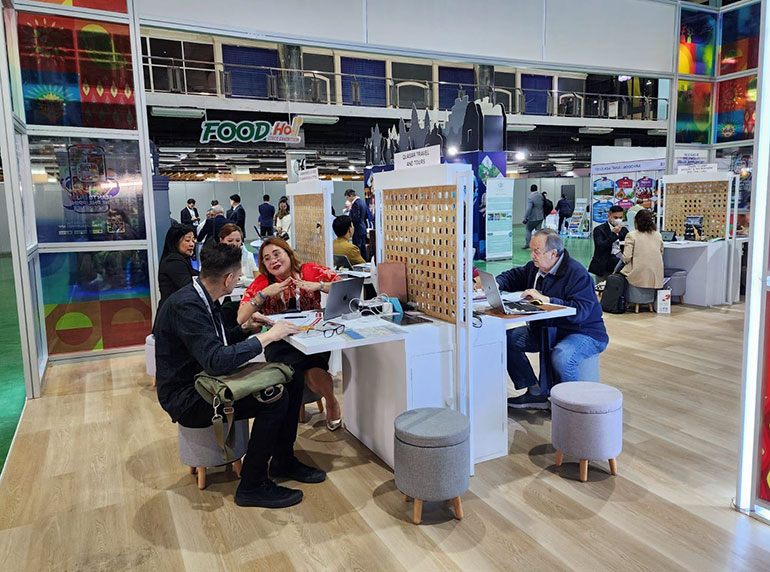 Buyers and sellers engage in one-on-one discussions on the TRAVEX trade floor during ATF 2024 in Vientiane, Lao PDR, where conversations increasingly focus on pricing, capacity, standards, and long-term viability rather than volume-driven growth.
In that sense, TRAVEX has become less a marketplace than a barometer. Across major source markets, the contours of demand are changing. Travelers from Northeast Asia are showing growing interest in longer stays, independent itineraries, and experience-led travel. In parts of Europe, sustainability, comfort, and a sense of place increasingly shape destination choice. Younger travelers prioritize ethics and authenticity alongside value, while mature markets show a willingness to travel less often but more meaningfully.
For buyers, this means the old logic of scale is giving way to a logic of ‘fit.’ The question is no longer how many products can be offered, but which products align with evolving traveler expectations, operational realities, and long-term viability.
That shift places new demands on tourism suppliers, where they are now expected to arrive at the trade table not only with inventory, but with clarity about their market positioning, sustainability practices, pricing discipline, and ability to deliver consistent quality. The competitive edge increasingly lies in coherence rather than abundance.
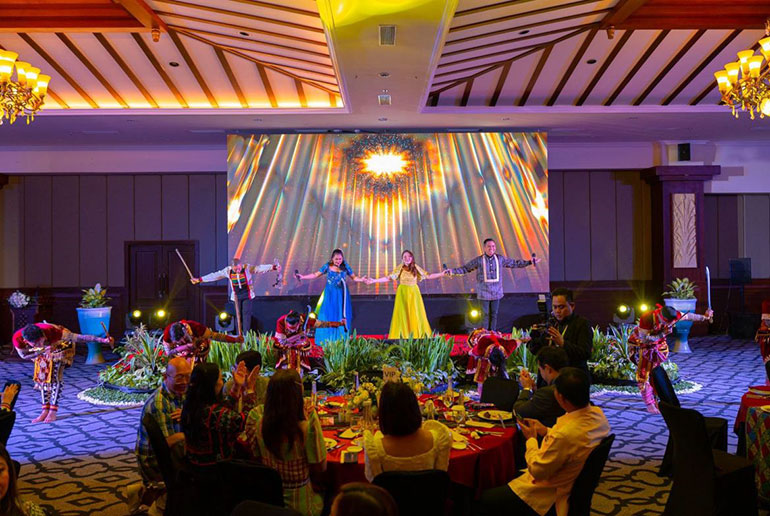 A cultural performance during Philippine Night at ATF 2023 in Yogyakarta, Indonesia, held alongside TRAVEX, illustrating how trade engagement is complemented by curated experiences that build trust and context beyond the meeting table.
The Philippines’ hosting of ATF 2026 is often understood as a branding opportunity, but in this case, it also functions as a form of strategic positioning for the Philippines within the region’s tourism trade ecosystem. It places the country not only on the trade floor, but within the architecture of regional tourism exchange as a convenor, connector, and testing ground for how tourism trade is evolving.
The addition of post-event familiarization tours, where buyers and media visit destinations and enterprises directly, further blurs the line between transaction and experience. It is an acknowledgment that trust, credibility, and value alignment now carry as much weight as contracts and pricing.
The future of tourism may not be defined by how fast it grows, but by how well it aligns with markets, communities, and the environmental limits of the destinations it depends on. And TRAVEX is one of the places where that recalibration becomes visible.
Spotlight is BusinessWorld’s sponsored section that allows advertisers to amplify their brand and connect with BusinessWorld’s audience by publishing their stories on the BusinessWorld Web site. For more information, send an email to online@bworldonline.com.
Join us on Viber at https://bit.ly/3hv6bLA to get more updates and subscribe to BusinessWorld’s titles and get exclusive content through www.bworld-x.com.


You May Also Like

Coinbase Receives OCC Approval for National Trust Charter
USD/CHF Holds Steady: Swiss Franc Defies Volatility Amid Good Friday Trading Lull