

De People’s Bank of China (PBOC) heeft vrijdag samen met zeven andere Chinese toezichthouders een verbod afgekondigd op de uitgifte van yuan-gekoppelde stablecoinsDe People’s Bank of China (PBOC) heeft vrijdag samen met zeven andere Chinese toezichthouders een verbod afgekondigd op de uitgifte van yuan-gekoppelde stablecoins
People’s Bank of China verbiedt stablecoins en kiest voor digitale yuan
For feedback or concerns regarding this content, please contact us at crypto.news@mexc.com
De People’s Bank of China (PBOC) heeft vrijdag samen met zeven andere Chinese toezichthouders een verbod afgekondigd op de uitgifte van yuan-gekoppelde stablecoins en getokeniseerde real-world assets (RWA’s). Het besluit geldt voor zowel binnenlandse als buitenlandse bedrijven. Daarmee maakt China duidelijk dat het de volledige regie over digitale vormen van geld wil behouden. De maatregel volgt op maanden van wisselende signalen uit Beijing over private stablecoins. In de praktijk kiest China nu onomwonden voor één richting. De staat staat geen private varianten van digitaal geld toe die kunnen concurreren met de officiële digitale yuan, ook wel e-CNY genoemd. China sluit de deur voor private stablecoins In de gezamenlijke verklaring stellen de toezichthouders dat stablecoins die zijn gekoppeld aan fiatgeld in feite functies van officieel geld overnemen. Volgens de autoriteiten ondermijnt dat het bestaande monetaire systeem. “Stablecoins die zijn gekoppeld aan fiatvaluta vervullen tijdens gebruik en circulatie vermomde functies van wettig betaalmiddel,” staat in de verklaring. “Geen enkele organisatie of persoon, in binnen- of buitenland, mag RMB-gekoppelde stablecoins uitgeven zonder toestemming van de bevoegde autoriteiten.” Naast de People’s Bank of China ondertekenden onder meer het ministerie van Industrie en Informatietechnologie en de Chinese toezichthouder voor de effectenmarkten het document. Het verbod omvat ook tokenized real-world assets, zoals digitale tokens die vastgoed, obligaties of andere fysieke bezittingen vertegenwoordigen. Verbod geldt ook voor offshore yuan Volgens Winston Ma, adjunct-professor aan New York University en voormalig bestuurder bij China Investment Corporation, reikt het verbod verder dan alleen de binnenlandse yuan. “De Chinese cryptoregels gelden voor alle RMB-markten, zowel CNY als CNH,” aldus Ma. CNH is de offshore-versie van de Chinese munt, die wordt gebruikt in internationale handel en financiële markten. Ma noemt het besluit een logisch vervolg in een langlopend beleidsproces. China wil speculatieve cryptomunten buiten het formele financiële systeem houden en tegelijk het gebruik van de digitale yuan actief stimuleren. Die digitale yuan is een central bank digital currency (CBDC) die volledig onder controle staat van de centrale bank. Digitale yuan krijgt voorrang Het verbod komt kort nadat China commerciële banken toestemming gaf om rente te vergoeden aan gebruikers van de digitale yuan. Met die stap probeert Beijing de e-CNY aantrekkelijker te maken voor burgers en bedrijven. Waar private stablecoins vaak worden gepresenteerd als efficiënte brug tussen traditioneel geld en blockchaintechnologie, ziet China vooral risico’s. Stablecoin-uitgevers kunnen uitgroeien tot machtige tussenlagen tussen banken en centrale banken. Precies die positie wil Beijing voorkomen. In augustus 2025 deden nog geruchten de ronde dat China private partijen zou toestaan om yuan-gekoppelde stablecoins te lanceren. Dat zou een grote koerswijziging zijn geweest. Een maand later trok de overheid die ruimte alweer in en moesten lopende experimenten worden stilgelegd. Met het huidige verbod is die twijfel definitief verdwenen. Wereldwijd patroon zichtbaar De Chinese aanpak past in een breder internationaal patroon. Ook in de Verenigde Staten en Europa werken toezichthouders aan strikte kaders voor stablecoins. Overheden erkennen het nut van digitale dollars, euro’s en yuan, maar willen zelf de spelregels bepalen. Stablecoin-uitgevers bevinden zich daardoor steeds vaker in een spanningsveld. Ze opereren tussen commerciële banken en centrale banken in en beheren soms miljarden aan reserves. Dat maakt hen nieuwe, systeemrelevante spelers in het financiële stelsel. China kiest voor een harde lijn en sluit private initiatieven uit. Andere landen zoeken vaker naar regulering en vergunningen. De onderliggende motivatie blijft echter vergelijkbaar. Staten willen voorkomen dat monetair beleid en financiële stabiliteit afhankelijk worden van private partijen. Impact op crypto en tokenization Voor de cryptosector betekent het besluit dat de Chinese markt gesloten blijft voor yuan-gebaseerde stablecoins en RWA-projecten. Internationale aanbieders kunnen die producten niet aanbieden aan Chinese gebruikers, ook niet via offshore-constructies. Best wallet - betrouwbare en anonieme wallet Best wallet - betrouwbare en anonieme wallet Meer dan 60 chains beschikbaar voor alle crypto Vroege toegang tot nieuwe projecten Hoge staking belongingen Lage transactiekosten Best wallet review Koop nu via Best Wallet Let op: cryptocurrency is een zeer volatiele en ongereguleerde investering. Doe je eigen onderzoek.
Het bericht People’s Bank of China verbiedt stablecoins en kiest voor digitale yuan is geschreven door Robin Heester en verscheen als eerst op Bitcoinmagazine.nl.
Market Opportunity
Lorenzo Protocol Price(BANK)
$0.03592
$0.03592$0.03592
USD
Lorenzo Protocol (BANK) Live Price Chart


Disclaimer: The articles reposted on this site are sourced from public platforms and are provided for informational purposes only. They do not necessarily reflect the views of MEXC. All rights remain with the original authors. If you believe any content infringes on third-party rights, please contact crypto.news@mexc.com for removal. MEXC makes no guarantees regarding the accuracy, completeness, or timeliness of the content and is not responsible for any actions taken based on the information provided. The content does not constitute financial, legal, or other professional advice, nor should it be considered a recommendation or endorsement by MEXC.
You May Also Like

The Chemistry of UV Resistance: How Titanium Dioxide Protects Against the California Sun
Homeowners considering synthetic boundary systems frequently voice a singular, pervasive concern: “Will the material turn yellow and brittle after a few years in
Share
Techbullion2026/04/02 18:06
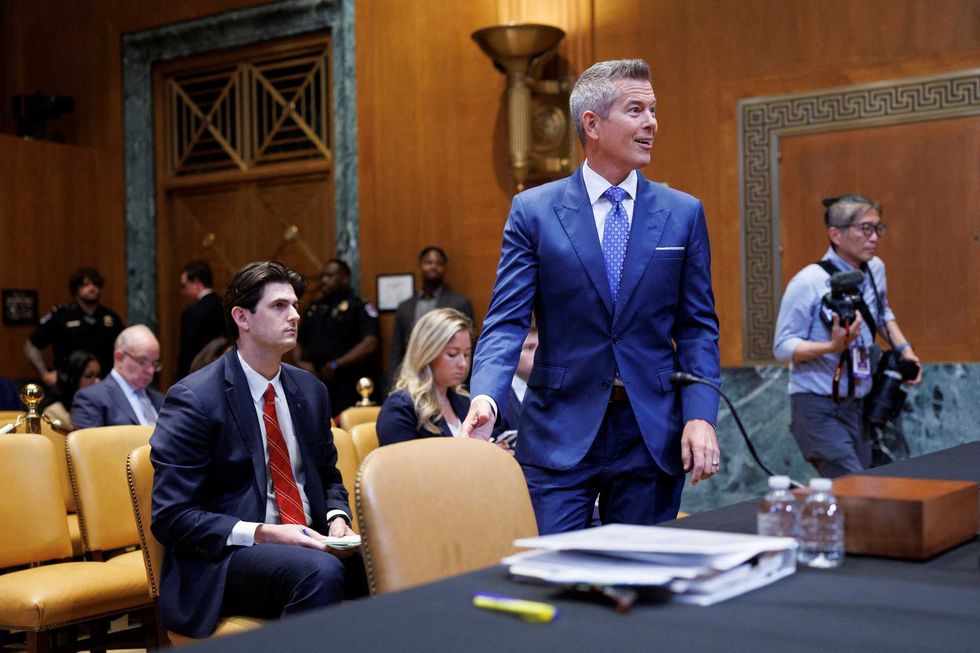
'You are wasting my time': Senator loses patience as Sean Duffy retorts 'Welcome to MAGA'
Another lawmaker could barely stand the way Trump's transportation secretary refused to answer straightforward questions during Capitol Hill testimony on Tuesday
Share
Rawstory2026/05/20 06:22

Google’s new AI agents transform Search into a 24/7 personal information assistant
BitcoinWorld Google’s new AI agents transform Search into a 24/7 personal information assistant At its annual I/O developer conference on May 27, 2026, in Mountain
Share
bitcoinworld2026/05/20 06:00



