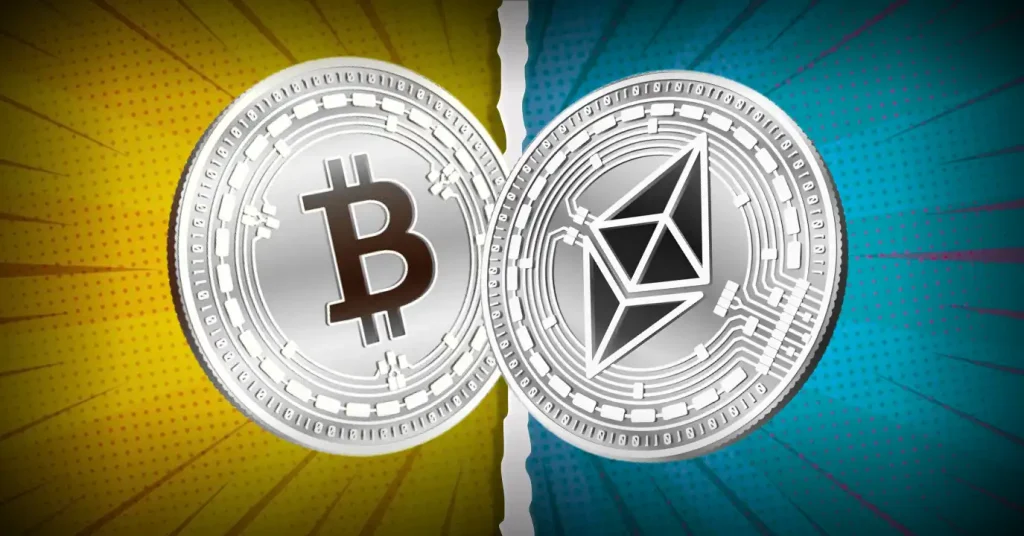
EU Announces Ban on Russia’s Digital Currency

- The EU aims to halt Russian war funding
- Kallas emphasizes financial isolation of Moscow
- Bans target digital rouble and crypto services
The European Union will ban Russia’s central bank digital currency (digital rouble) as part of sanctions to disrupt war funding, announced Kaja Kallas. Measures also include banning interactions with Russian crypto service providers and related stablecoin sanctions.
Kaja Kallas announced on X that the European Union will ban Russia’s digital rouble. This measure is part of the EU’s 20th sanctions package aimed at disrupting Russian war financing.
The EU’s decision is intended to limit Russia’s financial resources in response to ongoing conflict. This move underscores potential geopolitical impacts on global cryptocurrency markets.
Impact and Details of the Sanctions
The European Union, led by Kaja Kallas, has announced bold action targeting the digital rouble and associated Russian crypto services. Sanctions include cutting off connections to international financial communications.
At the core are financial sanctions targeting Russia’s central bank digital currency and crypto-asset service providers. The intention is to curtail economic resources funding conflicts and deny Moscow digital-financial engagements globally.
The sanctions’ immediate effect on Russia could disrupt financial communications and impact the operation of various crypto services. These measures also signify a unified European stance against conflict financing through crypto.
Economically, this move could deepen Moscow’s international financial isolation and disrupt the digital rouble’s integration into global markets. Socially, it signals a robust EU response against war financing through modern finance systems.
Historically, EU sanctions have aimed to plug financial loopholes. The focus on the digital rouble signifies a proactive approach against digital currency misuse in geopolitical conflicts. Long-term ramifications may include shifts in crypto market dynamics.


You May Also Like
Deutsche Bank Elevates Broadcom (AVGO) and Applied Materials (AMAT) to Premier Tech Selections
Trump Warns US May Strike Iran Again if No Deal Reached Soon