

SEC Cryptocurrency Regulation Crisis: Democrats Blast Chair’s Neglect of Trump-Linked Cases
BitcoinWorld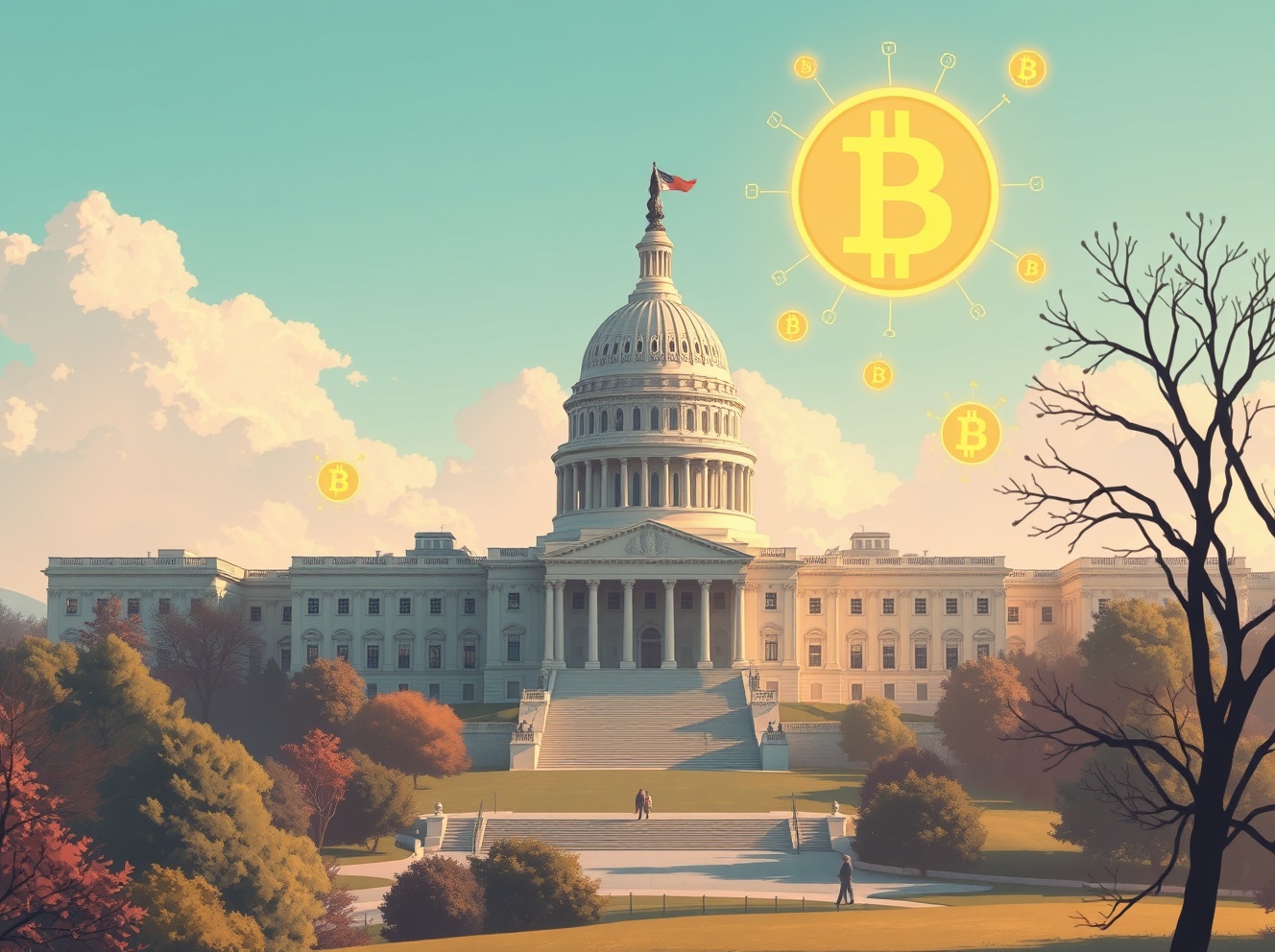
SEC Cryptocurrency Regulation Crisis: Democrats Blast Chair’s Neglect of Trump-Linked Cases
WASHINGTON, D.C. – March 2025: Democratic lawmakers launched a blistering critique of Securities and Exchange Commission Chairman Paul Atkins during recent House hearings, accusing the regulatory chief of systematically neglecting cryptocurrency investigations linked to former President Donald Trump and thereby creating a significant SEC cryptocurrency regulation crisis that threatens market stability and investor confidence.
The SEC Cryptocurrency Regulation Crisis Unfolds
Representative Stephen Lynch delivered particularly pointed remarks during the Financial Services Committee hearing. He stated the SEC appears to be dropping crucial lawsuits against several prominent cryptocurrency companies, including the global exchange Binance. Lynch argued this selective enforcement damages the agency’s reputation fundamentally. Consequently, public trust in financial regulators continues to erode rapidly. This situation creates substantial harm for both the cryptocurrency industry and everyday consumers.
The hearing revealed deeper concerns about regulatory consistency. Lawmakers presented evidence suggesting disparate treatment of cases with political connections. They questioned whether the SEC maintains proper enforcement priorities. Furthermore, they examined how political considerations might influence regulatory decisions. This scrutiny comes amid growing cryptocurrency adoption across the United States.
Historical Context of Cryptocurrency Regulation
The SEC’s approach to digital assets has evolved significantly since Bitcoin’s emergence. Initially, the agency adopted a cautious observation stance. However, enforcement actions increased dramatically during the late 2010s and early 2020s. The Howey Test remains the primary framework for determining whether cryptocurrencies qualify as securities. This legal standard originates from a 1946 Supreme Court decision.
Several landmark cases shaped current regulatory expectations. The SEC’s action against Ripple Labs in 2020 established important precedents. Similarly, the Terraform Labs case clarified rules about stablecoins. These enforcement actions created what many considered a predictable regulatory environment. Recent developments, however, suggest potential shifts in this established pattern.
| Year | Case | Outcome | Significance |
|---|---|---|---|
| 2020 | SEC v. Ripple Labs | Ongoing litigation | Defined investment contract parameters |
| 2023 | SEC v. Terraform Labs | Partial settlement | Clarified stablecoin regulations |
| 2024 | SEC v. Binance | Reportedly softening | Global exchange compliance standards |
| 2024 | Various ICO cases | Multiple settlements | Established token sale guidelines |
Market participants closely monitor these regulatory developments. Institutional investors particularly require clear guidelines. Ambiguity in enforcement can deter significant capital investment. Additionally, retail investors need protection from fraudulent schemes. Consistent regulation serves both these critical functions effectively.
Political Dimensions of Financial Regulation
Financial regulation inherently intersects with political considerations. Presidential administrations typically influence regulatory priorities. Leadership appointments at agencies like the SEC reflect broader policy directions. However, maintaining enforcement independence remains crucial for market integrity. Perceptions of political influence can undermine regulatory effectiveness substantially.
The current controversy centers on specific allegations. Lawmakers claim certain investigations received inadequate resources. They suggest connections to political figures affected case prioritization. These allegations, if substantiated, would represent serious concerns. Regulatory agencies must demonstrate impartial enforcement to maintain credibility.
- Enforcement Consistency: Market stability requires predictable regulatory actions
- Resource Allocation: Investigations must receive appropriate attention regardless of connections
- Transparency Standards: Clear communication about enforcement priorities builds trust
- Political Independence: Regulatory decisions should remain insulated from partisan influence
Historical precedents exist for politically sensitive financial cases. The SEC handled numerous high-profile investigations across administrations. These include cases involving major financial institutions and prominent individuals. The agency’s reputation for impartiality historically remained strong. Current allegations challenge this established reputation directly.
Expert Analysis of Regulatory Impacts
Financial regulation experts express growing concerns about the allegations. Dr. Eleanor Vance, former SEC senior counsel, explains the potential consequences. “Regulatory credibility functions as market infrastructure,” Vance states. “When participants question enforcement fairness, compliance incentives diminish significantly.” She emphasizes that consistent application of rules matters more than severity.
Market data supports these concerns. Cryptocurrency volatility indices show increased fluctuations following hearing disclosures. Trading volumes on affected platforms demonstrate noticeable changes. Investor sentiment surveys reveal growing anxiety about regulatory uncertainty. These indicators suggest tangible market impacts from the controversy.
International observers also monitor the situation closely. Global financial regulators coordinate on cryptocurrency standards. The United States traditionally leads these discussions. Perceived weaknesses in American regulation could influence international approaches. This might affect global cryptocurrency market development substantially.
Broader Implications for Digital Asset Markets
The cryptocurrency industry faces multiple regulatory challenges simultaneously. Legislative proposals circulate in Congress regarding comprehensive frameworks. Multiple agencies claim overlapping jurisdictions. This creates confusion for market participants. Clear regulatory leadership becomes essential under these circumstances.
Consumer protection remains a primary regulatory concern. Cryptocurrency investors face unique risks compared to traditional markets. These include technological vulnerabilities and exchange failures. Regulatory oversight aims to mitigate these substantial risks. Effective enforcement deters fraudulent activities and promotes market integrity.
Innovation balance presents another regulatory challenge. Excessive restriction might stifle technological development. Insufficient oversight could enable harmful practices. Regulatory agencies must navigate this complex balance carefully. Current controversies complicate these already difficult determinations significantly.
Conclusion
The SEC cryptocurrency regulation crisis highlights fundamental questions about financial oversight in digital asset markets. Democratic lawmakers’ criticisms raise serious concerns about enforcement consistency and political independence. These allegations, if validated, could damage market confidence and regulatory credibility substantially. The cryptocurrency industry requires clear, consistent, and impartial regulation to mature successfully. Resolution of these concerns will significantly influence digital asset markets and investor protection for years to come.
FAQs
Q1: What specific allegations are Democrats making against SEC Chair Paul Atkins?
Democratic lawmakers allege Chairman Atkins neglected cryptocurrency investigations linked to former President Donald Trump, potentially dropping key lawsuits against companies like Binance, thereby damaging regulatory consistency and market confidence.
Q2: How does this situation affect ordinary cryptocurrency investors?
Regulatory uncertainty can increase market volatility, create compliance confusion for exchanges, and potentially reduce investor protections if enforcement becomes inconsistent or perceived as politically influenced.
Q3: What is the historical context of SEC cryptocurrency regulation?
The SEC has gradually increased cryptocurrency enforcement since the late 2010s, using the Howey Test to determine securities status, with landmark cases against Ripple Labs and Terraform Labs establishing important precedents.
Q4: Why does regulatory consistency matter for cryptocurrency markets?
Consistent enforcement creates predictable rules for market participants, enables proper compliance planning, attracts institutional investment, and maintains fair markets by applying rules equally to all participants.
Q5: What are the potential international implications of this controversy?
As the United States often leads global financial regulation, perceived weaknesses in American cryptocurrency oversight could influence international standards and potentially fragment global regulatory approaches to digital assets.
This post SEC Cryptocurrency Regulation Crisis: Democrats Blast Chair’s Neglect of Trump-Linked Cases first appeared on BitcoinWorld.


You May Also Like
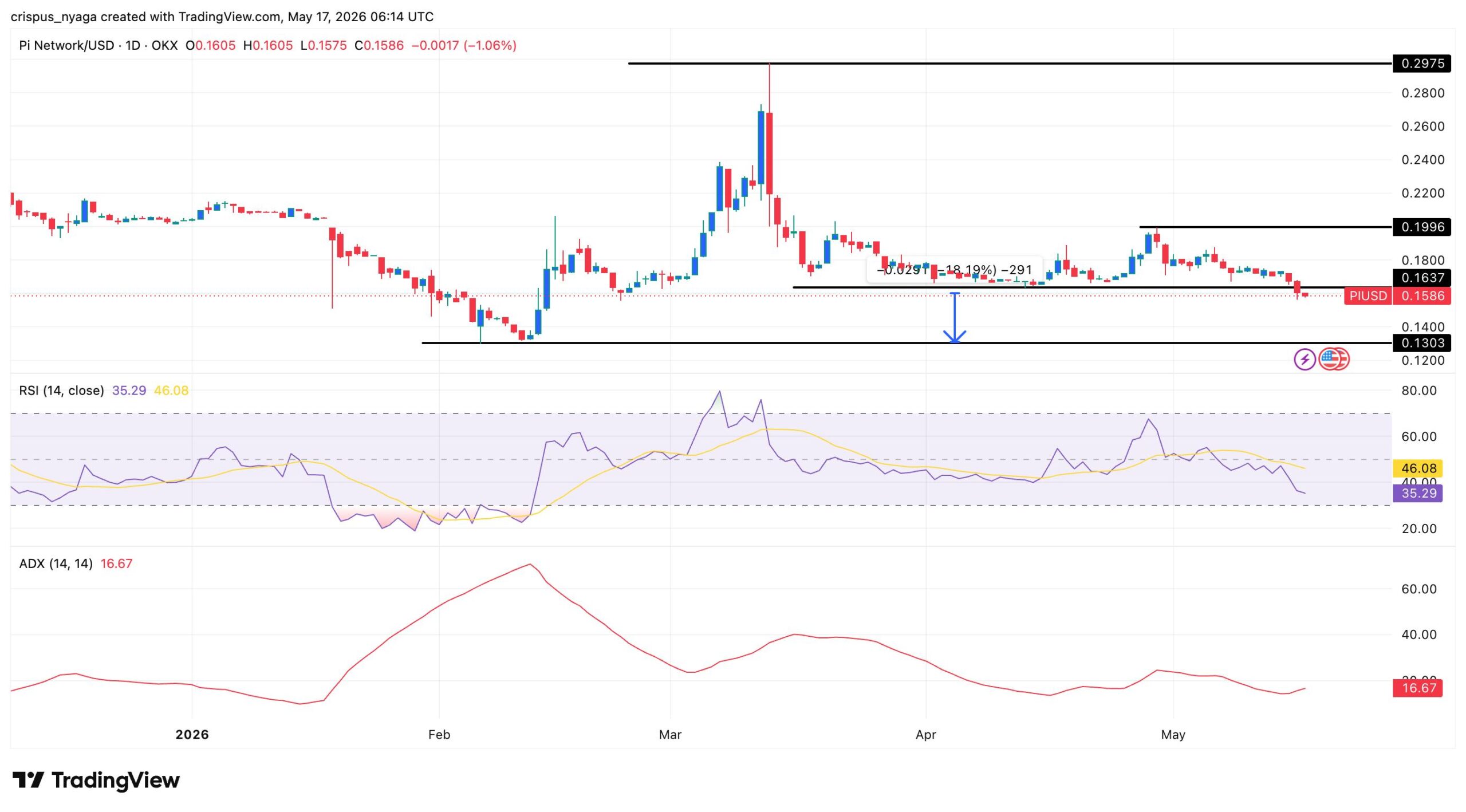
Pi Coin Price Crashes Another 7.5% Before Pi Network Protocol 23 Mainnet Activation

Evercore ISI S&P 500 Forecast 2026: Base Case 7,750, Bull Case 9,000




