

Pentagon Weighs Alarming Second Carrier Deployment as Trump Ramps Up Iran Pressure
BitcoinWorld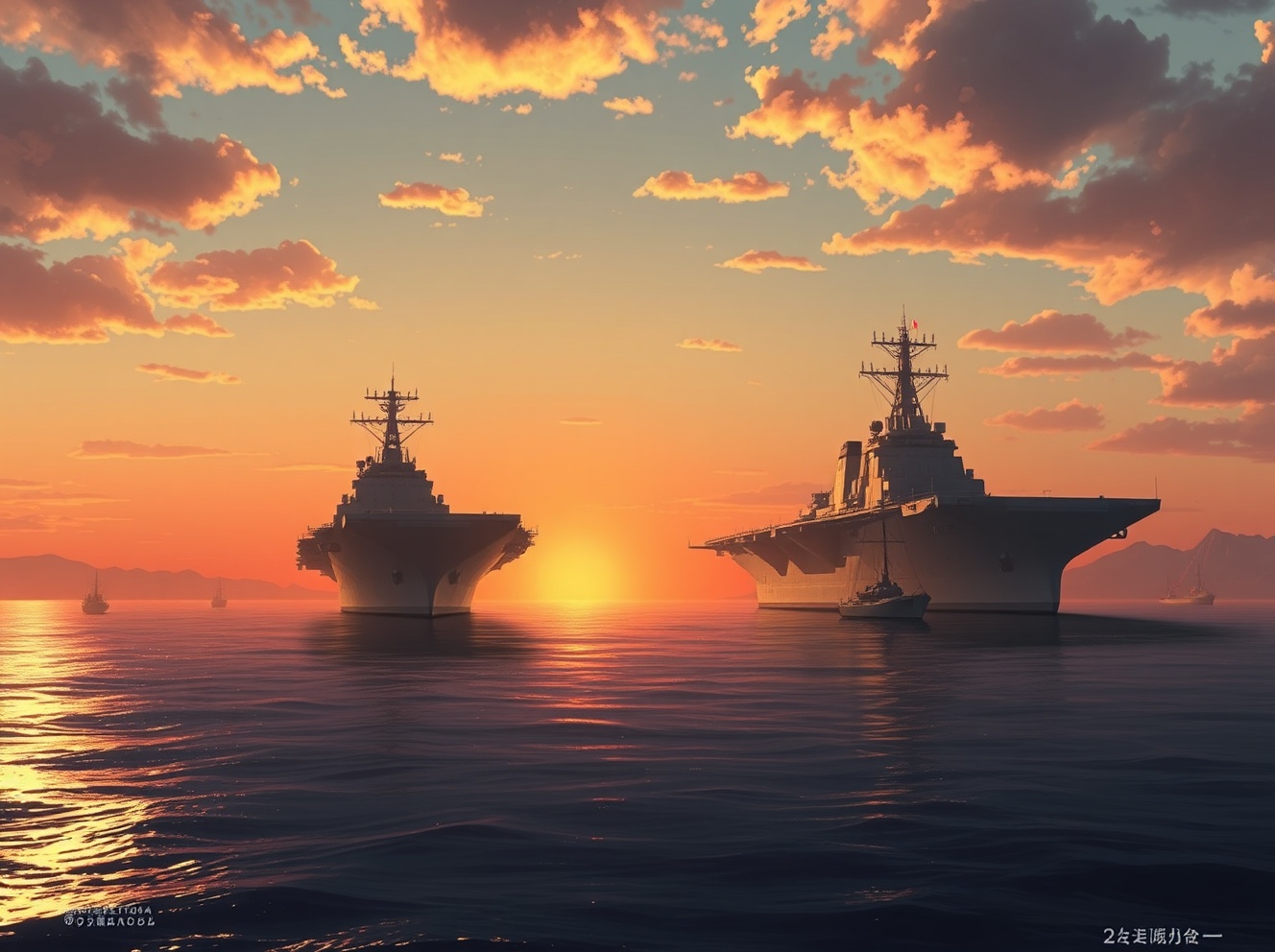
Pentagon Weighs Alarming Second Carrier Deployment as Trump Ramps Up Iran Pressure
WASHINGTON, D.C. – March 2025. The Pentagon is actively weighing the unprecedented deployment of a second nuclear-powered aircraft carrier strike group to the Middle East, according to a Wall Street Journal report, as the Trump administration significantly ramps up military and diplomatic pressure on Iran. This potential move represents a major escalation in force posture, signaling a decisive shift in Washington’s strategy toward Tehran and raising immediate concerns about regional stability. Consequently, military analysts and regional diplomats are scrutinizing the strategic calculus behind such a powerful display of naval force.
Pentagon Second Carrier Deployment: A Strategic Escalation
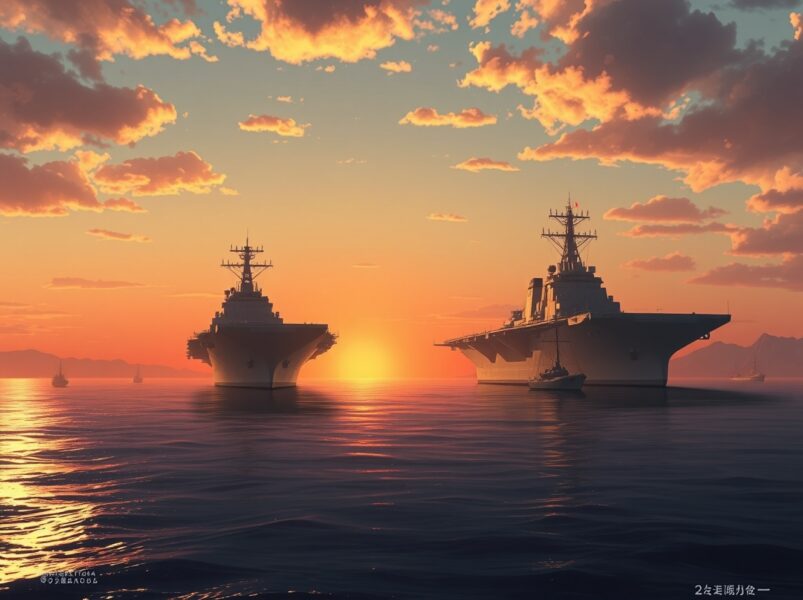
The reported consideration centers on augmenting the U.S. Navy’s presence in U.S. Central Command’s area of responsibility. Currently, one carrier strike group typically patrols the region. Deploying a second would double the available combat airpower, intelligence assets, and missile defense capabilities overnight. Historically, the U.S. has deployed dual carriers during periods of extreme tension or open conflict, such as prior to the 2003 Iraq invasion. Therefore, this deliberation directly reflects the administration’s assessment of the threat level emanating from Iran and its proxy networks. Furthermore, it provides a tangible indicator of Washington’s willingness to back its rhetoric with formidable hardware.
This strategic calculation involves several key factors. First, it enhances deterrence by presenting an overwhelming response capability. Second, it allows for more persistent surveillance and strike coverage over a vast area, from the Strait of Hormuz to the Eastern Mediterranean. Third, it complicates an adversary’s targeting and planning. A carrier strike group comprises not just the aircraft carrier itself, but also guided-missile cruisers, destroyers, a submarine, and a supply ship—creating a mobile, sovereign bastion of American power. Ultimately, the decision hinges on a cost-benefit analysis of operational tempo, crew fatigue, and the global demand for these finite, high-value assets.
Trump’s Intensified Pressure Campaign on Iran
The military deliberation occurs against a backdrop of sharply intensified political and economic pressure from the White House. Since returning to office, President Trump has reinstated and expanded a campaign of “maximum pressure” on the Iranian regime. This policy framework has several active components. Diplomatically, the U.S. has worked to isolate Iran in international forums. Economically, it has enforced stringent sanctions targeting Iran’s oil exports and financial systems. Moreover, the administration has taken a firm stance against Iran’s nuclear advancements and its support for militant groups across the Middle East.
Recent months have seen a notable increase in public statements and actions. For instance, the administration has publicly highlighted Iran’s uranium enrichment levels and condemned its military support for actors in Yemen, Syria, and Lebanon. Additionally, there have been increased sanctions on Iranian officials and entities linked to the Islamic Revolutionary Guard Corps (IRGC). This multifaceted campaign aims to curb Iranian influence and compel concessions. However, critics argue it also increases the risk of miscalculation, as Iran may seek to demonstrate resilience through asymmetric responses, potentially targeting U.S. interests or allies.
Expert Analysis: Military Posture and Diplomatic Signals
Military strategists note that carrier deployments are among the most potent tools of signaling in international relations. “The movement of a carrier strike group is never routine,” explains Dr. Evelyn Shaw, a senior fellow at the Center for Naval Analyses. “It is a deliberate political-military signal written in 100,000 tons of steel. Deploying a second one to an already volatile region is a statement of supreme seriousness and readiness.” Shaw emphasizes that while defensive in nature, such a buildup inherently increases the likelihood of incidents, as more U.S. and Iranian forces operate in proximity.
Conversely, regional security experts point to the potential for escalation. “Iran’s doctrine relies on asymmetric warfare—using drones, fast attack boats, and proxy forces,” says Amir Tehrani, a researcher with the Middle East Institute. “A second carrier does not neutralize those threats; it may even incentivize Iran to test U.S. defenses or resolve through lower-level harassment, creating a cycle of action and reaction.” This analysis suggests the Pentagon’s decision must weigh not just military utility but also the second- and third-order effects on regional stability.
Historical Context and Regional Impact
To understand the gravity of this potential deployment, context is crucial. The U.S. Fifth Fleet, headquartered in Bahrain, has been a cornerstone of regional security architecture for decades. Its presence aims to ensure freedom of navigation, particularly through the chokepoint of the Strait of Hormuz, through which about 20% of the world’s oil passes. Tensions with Iran have flared repeatedly around this waterway, involving seizures of tankers and confrontations between naval vessels.
The regional impact of a two-carrier presence would be immediate and multifaceted:
- Allied Assurance: Gulf Cooperation Council (GCC) partners like Saudi Arabia and the United Arab Emirates would likely view the move as a strong reaffirmation of the U.S. security guarantee.
- Adversary Calculation: Iran would be forced to recalibrate its risk assessment, potentially moderating some actions while accelerating others in different domains, such as cyber operations.
- Market Reactions: Global energy markets are highly sensitive to Middle Eastern tensions. The announcement alone could introduce a ‘risk premium’ to oil prices, affecting the global economy.
- Operational Strain: Sustaining two carriers requires immense logistical support, potentially diverting resources from other global commitments in Europe or the Pacific.
A brief comparison of recent major U.S. carrier deployments to the Middle East illustrates the significance:
| Year | Context | Carrier Presence | Primary Stated Purpose |
|---|---|---|---|
| 2020 | After killing of Qasem Soleimani | Increased, but not dual carriers | Deterrence & Force Protection |
| 2023 | Iranian seizure of tankers | One Carrier + Amphibious Ready Group | Freedom of Navigation |
| 2025 (Potential) | “Maximum Pressure” Campaign | Two Carrier Strike Groups | Strategic Deterrence & Signaling |
Conclusion
The Pentagon’s consideration of a second aircraft carrier deployment to the Middle East is a definitive marker of escalating U.S.-Iran tensions. It represents the muscular arm of the Trump administration’s comprehensive pressure campaign against Tehran. While such a move would project immense military power and reassure allies, it also carries inherent risks of escalation and operational overstretch. The final decision will hinge on a complex evaluation of intelligence, Iranian activity, and broader national security priorities. Ultimately, the world watches to see if this formidable display of naval power will deter conflict or inadvertently become a catalyst for a new, dangerous phase of confrontation. The Pentagon second carrier deliberation is therefore not merely a logistical question, but a critical juncture in Middle Eastern geopolitics.
FAQs
Q1: What is a carrier strike group and why is it significant?
A carrier strike group (CSG) is a potent naval formation built around a nuclear-powered aircraft carrier. It includes multiple warships for defense, attack submarines, and a supply ship. Its significance lies in its ability to project airpower globally without needing host-nation bases, serving as a mobile sovereign territory for power projection, deterrence, and crisis response.
Q2: How does a second carrier change the military balance in the Middle East?
It dramatically increases available U.S. combat aircraft, allowing for simultaneous operations across multiple theaters within the region. It enhances missile defense networks, extends intelligence gathering, and forces any adversary to contend with two massive, hard-to-target formations instead of one, fundamentally altering their military planning.
Q3: What are Iran’s likely asymmetric responses to such a deployment?
Iran would likely avoid direct confrontation with a CSG. Instead, experts anticipate increased harassment by IRGC fast boats in the Gulf, potential drone or missile tests near U.S. assets, cyber attacks on critical infrastructure, and increased proxy activity against U.S. allies in the region, such as in Iraq or Syria.
Q4: Has the U.S. deployed two carriers to the Middle East before?
Yes, but rarely and typically during periods of imminent or active conflict, such as in the lead-up to the 2003 Iraq War and during peak operations in Afghanistan. Peacetime dual-carrier presence is exceptional and signals a state of high alert and preparation for potential major combat operations.
Q5: How long would such a dual-carrier deployment likely last?
Deployments are typically scheduled for 6-9 months, but can be extended during crises. A second, unscheduled deployment would likely be shorter-term, perhaps 1-3 months, intended as a surge to de-escalate a crisis or demonstrate resolve, before rotating out to avoid unsustainable strain on personnel and maintenance cycles.
This post Pentagon Weighs Alarming Second Carrier Deployment as Trump Ramps Up Iran Pressure first appeared on BitcoinWorld.


You May Also Like

Ethereum Price Prediction – ETH Price Estimated to Reach $ 2,305.39 By May 27, 2026

New Fed Chair Sworn In; Rate-Cut Odds at 0 Shape Crypto Regulation

Ethereum’s Identity Crisis Deepens After High-Profile Brain Drain Frustrates the Community



