BitcoinWorld Altcoin Season Index Plunges: What This Means for Your Portfolio The crypto world is buzzing with recent market shifts, and a key indicator, the Altcoin Season Index, has just sent a compelling signal. According to CoinMarketCap data, this crucial index has recently fallen three points, landing at 43. This dip from its previous day’s score isn’t just a number; it reflects a significant change in the market’s pulse, suggesting a shift away from widespread altcoin outperformance. What Exactly is the Altcoin Season Index? Understanding the Altcoin Season Index is fundamental for any crypto investor. This unique metric helps determine whether current market conditions are favoring altcoins or if Bitcoin is taking the lead. It does this by meticulously comparing the price performance of the top 100 cryptocurrencies (excluding stablecoins and wrapped tokens) against Bitcoin over a 90-day period. Here’s how it works: The index measures how many of these top 100 altcoins have outperformed Bitcoin. An ‘altcoin season’ is officially declared when at least 75% of these altcoins surpass Bitcoin’s performance within that 90-day window. A score closer to 100 indicates a much stronger and more pervasive altcoin trend, while a lower score suggests Bitcoin’s dominance. Why is the Altcoin Season Index Signaling a Shift? The recent decline of the Altcoin Season Index to 43 is a clear indicator that Bitcoin is currently showing stronger performance relative to a majority of altcoins. This often happens during periods of market uncertainty or when investors seek the relative stability of Bitcoin as the leading cryptocurrency. Several factors can contribute to such a shift: Bitcoin Halving Cycle: Historically, Bitcoin tends to consolidate or rally post-halving, sometimes drawing capital away from altcoins. Macroeconomic Factors: Broader economic conditions, interest rate changes, or geopolitical events can influence investor sentiment, often leading to a flight to perceived safety, which in crypto is often Bitcoin. Market Dominance: When Bitcoin’s market dominance increases, it naturally pulls the Altcoin Season Index down as fewer altcoins are outperforming it. Navigating Your Portfolio When the Altcoin Season Index Dips For investors holding altcoins, a falling Altcoin Season Index presents both challenges and potential opportunities. It’s a moment to re-evaluate strategies and consider market dynamics. Here are some key considerations: Re-evaluate Risk: Altcoins can be more volatile than Bitcoin. A period of Bitcoin dominance might signal increased risk for less established altcoins. Diversification: Ensure your portfolio is adequately diversified. While altcoins offer high reward potential, a balanced approach including Bitcoin can mitigate risk during these phases. Research is Key: Focus on altcoins with strong fundamentals, active development, and clear use cases. These projects might be more resilient even when the overall index is low. Patience: Market cycles are natural. A dip in the index doesn’t mean altcoin seasons are over indefinitely; rather, it suggests a current phase of consolidation or Bitcoin strength. The current reading of the Altcoin Season Index at 43 serves as a vital signal for cryptocurrency investors. It underscores the dynamic nature of the crypto market and the ongoing tug-of-war between altcoins and Bitcoin. While the index currently points to Bitcoin strength, understanding these cycles empowers investors to make informed decisions, adapt their strategies, and prepare for future market shifts. Staying informed about these key indicators is paramount for navigating the exciting, yet volatile, world of digital assets. Frequently Asked Questions (FAQs) Q1: What does the Altcoin Season Index measure? A: The Altcoin Season Index measures whether altcoins or Bitcoin are outperforming over a 90-day period, specifically by comparing the performance of the top 100 altcoins (excluding stablecoins and wrapped tokens) against Bitcoin. Q2: What score indicates an Altcoin Season? A: An Altcoin Season is declared when 75% or more of the top 100 altcoins outperform Bitcoin over the 90-day period. A score closer to 100 indicates a stronger altcoin trend. Q3: Why did the Altcoin Season Index fall to 43? A: The fall to 43 suggests that Bitcoin is currently outperforming a significant majority of altcoins. This can be due to factors like Bitcoin’s halving cycle, broader macroeconomic trends, or increased Bitcoin market dominance. Q4: How does the Altcoin Season Index impact my investment strategy? A: A declining Altcoin Season Index signals a period of Bitcoin strength. Investors might consider re-evaluating risk, diversifying their portfolios, focusing on altcoins with strong fundamentals, and exercising patience during these market phases. Q5: Are stablecoins included in the Altcoin Season Index calculation? A: No, stablecoins and wrapped coins are explicitly excluded from the calculation of the Altcoin Season Index to provide a clearer picture of speculative asset performance. Did this article help you understand the recent shift in the crypto market? Share your thoughts and this valuable insight with your fellow crypto enthusiasts on social media! To learn more about the latest crypto market trends, explore our article on key developments shaping altcoin price action. This post Altcoin Season Index Plunges: What This Means for Your Portfolio first appeared on BitcoinWorld and is written by Editorial TeamBitcoinWorld Altcoin Season Index Plunges: What This Means for Your Portfolio The crypto world is buzzing with recent market shifts, and a key indicator, the Altcoin Season Index, has just sent a compelling signal. According to CoinMarketCap data, this crucial index has recently fallen three points, landing at 43. This dip from its previous day’s score isn’t just a number; it reflects a significant change in the market’s pulse, suggesting a shift away from widespread altcoin outperformance. What Exactly is the Altcoin Season Index? Understanding the Altcoin Season Index is fundamental for any crypto investor. This unique metric helps determine whether current market conditions are favoring altcoins or if Bitcoin is taking the lead. It does this by meticulously comparing the price performance of the top 100 cryptocurrencies (excluding stablecoins and wrapped tokens) against Bitcoin over a 90-day period. Here’s how it works: The index measures how many of these top 100 altcoins have outperformed Bitcoin. An ‘altcoin season’ is officially declared when at least 75% of these altcoins surpass Bitcoin’s performance within that 90-day window. A score closer to 100 indicates a much stronger and more pervasive altcoin trend, while a lower score suggests Bitcoin’s dominance. Why is the Altcoin Season Index Signaling a Shift? The recent decline of the Altcoin Season Index to 43 is a clear indicator that Bitcoin is currently showing stronger performance relative to a majority of altcoins. This often happens during periods of market uncertainty or when investors seek the relative stability of Bitcoin as the leading cryptocurrency. Several factors can contribute to such a shift: Bitcoin Halving Cycle: Historically, Bitcoin tends to consolidate or rally post-halving, sometimes drawing capital away from altcoins. Macroeconomic Factors: Broader economic conditions, interest rate changes, or geopolitical events can influence investor sentiment, often leading to a flight to perceived safety, which in crypto is often Bitcoin. Market Dominance: When Bitcoin’s market dominance increases, it naturally pulls the Altcoin Season Index down as fewer altcoins are outperforming it. Navigating Your Portfolio When the Altcoin Season Index Dips For investors holding altcoins, a falling Altcoin Season Index presents both challenges and potential opportunities. It’s a moment to re-evaluate strategies and consider market dynamics. Here are some key considerations: Re-evaluate Risk: Altcoins can be more volatile than Bitcoin. A period of Bitcoin dominance might signal increased risk for less established altcoins. Diversification: Ensure your portfolio is adequately diversified. While altcoins offer high reward potential, a balanced approach including Bitcoin can mitigate risk during these phases. Research is Key: Focus on altcoins with strong fundamentals, active development, and clear use cases. These projects might be more resilient even when the overall index is low. Patience: Market cycles are natural. A dip in the index doesn’t mean altcoin seasons are over indefinitely; rather, it suggests a current phase of consolidation or Bitcoin strength. The current reading of the Altcoin Season Index at 43 serves as a vital signal for cryptocurrency investors. It underscores the dynamic nature of the crypto market and the ongoing tug-of-war between altcoins and Bitcoin. While the index currently points to Bitcoin strength, understanding these cycles empowers investors to make informed decisions, adapt their strategies, and prepare for future market shifts. Staying informed about these key indicators is paramount for navigating the exciting, yet volatile, world of digital assets. Frequently Asked Questions (FAQs) Q1: What does the Altcoin Season Index measure? A: The Altcoin Season Index measures whether altcoins or Bitcoin are outperforming over a 90-day period, specifically by comparing the performance of the top 100 altcoins (excluding stablecoins and wrapped tokens) against Bitcoin. Q2: What score indicates an Altcoin Season? A: An Altcoin Season is declared when 75% or more of the top 100 altcoins outperform Bitcoin over the 90-day period. A score closer to 100 indicates a stronger altcoin trend. Q3: Why did the Altcoin Season Index fall to 43? A: The fall to 43 suggests that Bitcoin is currently outperforming a significant majority of altcoins. This can be due to factors like Bitcoin’s halving cycle, broader macroeconomic trends, or increased Bitcoin market dominance. Q4: How does the Altcoin Season Index impact my investment strategy? A: A declining Altcoin Season Index signals a period of Bitcoin strength. Investors might consider re-evaluating risk, diversifying their portfolios, focusing on altcoins with strong fundamentals, and exercising patience during these market phases. Q5: Are stablecoins included in the Altcoin Season Index calculation? A: No, stablecoins and wrapped coins are explicitly excluded from the calculation of the Altcoin Season Index to provide a clearer picture of speculative asset performance. Did this article help you understand the recent shift in the crypto market? Share your thoughts and this valuable insight with your fellow crypto enthusiasts on social media! To learn more about the latest crypto market trends, explore our article on key developments shaping altcoin price action. This post Altcoin Season Index Plunges: What This Means for Your Portfolio first appeared on BitcoinWorld and is written by Editorial Team

Altcoin Season Index Plunges: What This Means for Your Portfolio

BitcoinWorld
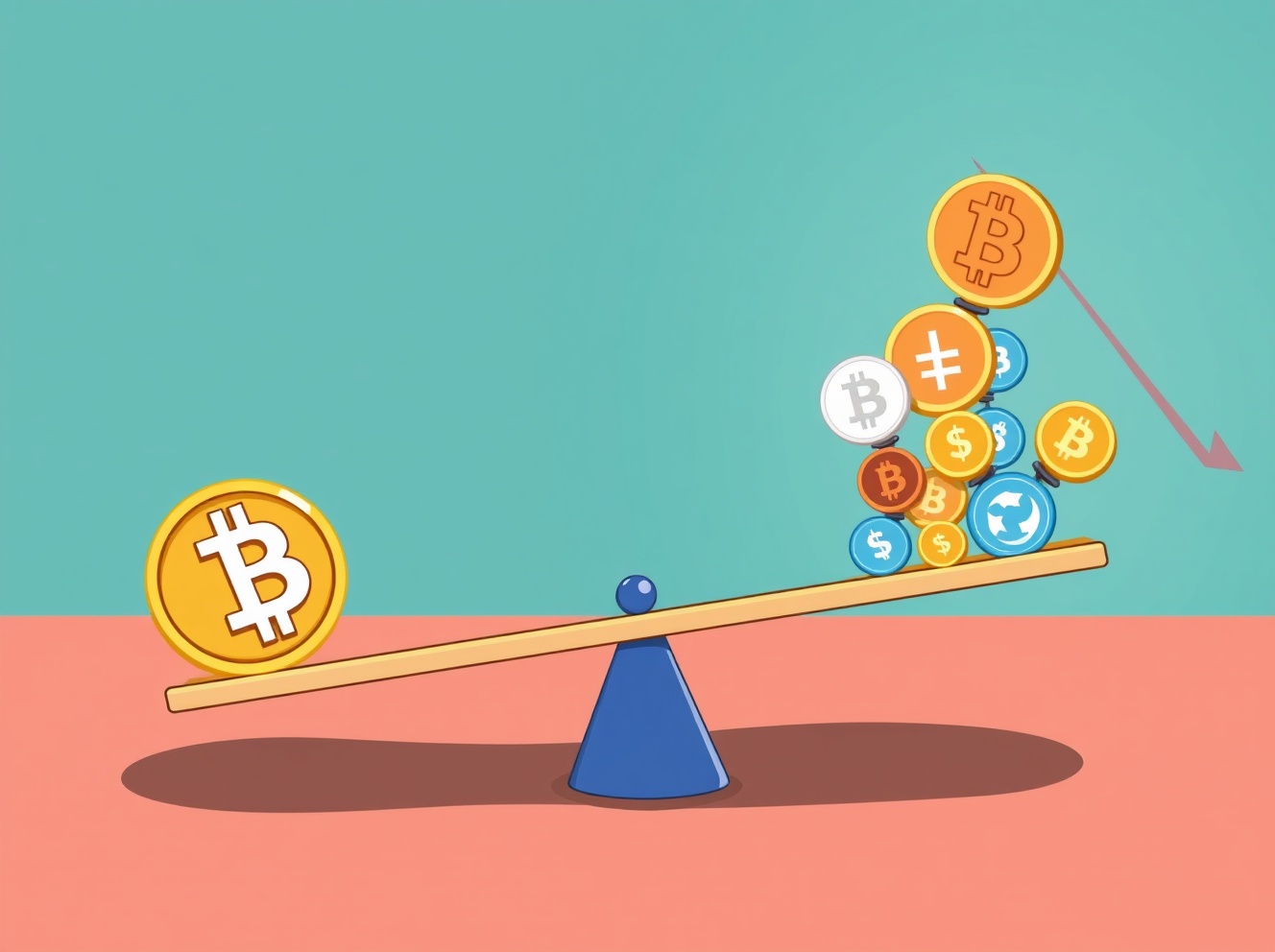
Altcoin Season Index Plunges: What This Means for Your Portfolio

The crypto world is buzzing with recent market shifts, and a key indicator, the Altcoin Season Index, has just sent a compelling signal. According to CoinMarketCap data, this crucial index has recently fallen three points, landing at 43. This dip from its previous day’s score isn’t just a number; it reflects a significant change in the market’s pulse, suggesting a shift away from widespread altcoin outperformance.

What Exactly is the Altcoin Season Index?

Understanding the Altcoin Season Index is fundamental for any crypto investor. This unique metric helps determine whether current market conditions are favoring altcoins or if Bitcoin is taking the lead. It does this by meticulously comparing the price performance of the top 100 cryptocurrencies (excluding stablecoins and wrapped tokens) against Bitcoin over a 90-day period.

Here’s how it works:

  • The index measures how many of these top 100 altcoins have outperformed Bitcoin.
  • An ‘altcoin season’ is officially declared when at least 75% of these altcoins surpass Bitcoin’s performance within that 90-day window.
  • A score closer to 100 indicates a much stronger and more pervasive altcoin trend, while a lower score suggests Bitcoin’s dominance.

Why is the Altcoin Season Index Signaling a Shift?

The recent decline of the Altcoin Season Index to 43 is a clear indicator that Bitcoin is currently showing stronger performance relative to a majority of altcoins. This often happens during periods of market uncertainty or when investors seek the relative stability of Bitcoin as the leading cryptocurrency. Several factors can contribute to such a shift:

  • Bitcoin Halving Cycle: Historically, Bitcoin tends to consolidate or rally post-halving, sometimes drawing capital away from altcoins.
  • Macroeconomic Factors: Broader economic conditions, interest rate changes, or geopolitical events can influence investor sentiment, often leading to a flight to perceived safety, which in crypto is often Bitcoin.
  • Market Dominance: When Bitcoin’s market dominance increases, it naturally pulls the Altcoin Season Index down as fewer altcoins are outperforming it.

For investors holding altcoins, a falling Altcoin Season Index presents both challenges and potential opportunities. It’s a moment to re-evaluate strategies and consider market dynamics. Here are some key considerations:

  • Re-evaluate Risk: Altcoins can be more volatile than Bitcoin. A period of Bitcoin dominance might signal increased risk for less established altcoins.
  • Diversification: Ensure your portfolio is adequately diversified. While altcoins offer high reward potential, a balanced approach including Bitcoin can mitigate risk during these phases.
  • Research is Key: Focus on altcoins with strong fundamentals, active development, and clear use cases. These projects might be more resilient even when the overall index is low.
  • Patience: Market cycles are natural. A dip in the index doesn’t mean altcoin seasons are over indefinitely; rather, it suggests a current phase of consolidation or Bitcoin strength.

The current reading of the Altcoin Season Index at 43 serves as a vital signal for cryptocurrency investors. It underscores the dynamic nature of the crypto market and the ongoing tug-of-war between altcoins and Bitcoin. While the index currently points to Bitcoin strength, understanding these cycles empowers investors to make informed decisions, adapt their strategies, and prepare for future market shifts. Staying informed about these key indicators is paramount for navigating the exciting, yet volatile, world of digital assets.

Frequently Asked Questions (FAQs)

Q1: What does the Altcoin Season Index measure?
A: The Altcoin Season Index measures whether altcoins or Bitcoin are outperforming over a 90-day period, specifically by comparing the performance of the top 100 altcoins (excluding stablecoins and wrapped tokens) against Bitcoin.

Q2: What score indicates an Altcoin Season?
A: An Altcoin Season is declared when 75% or more of the top 100 altcoins outperform Bitcoin over the 90-day period. A score closer to 100 indicates a stronger altcoin trend.

Q3: Why did the Altcoin Season Index fall to 43?
A: The fall to 43 suggests that Bitcoin is currently outperforming a significant majority of altcoins. This can be due to factors like Bitcoin’s halving cycle, broader macroeconomic trends, or increased Bitcoin market dominance.

Q4: How does the Altcoin Season Index impact my investment strategy?
A: A declining Altcoin Season Index signals a period of Bitcoin strength. Investors might consider re-evaluating risk, diversifying their portfolios, focusing on altcoins with strong fundamentals, and exercising patience during these market phases.

Q5: Are stablecoins included in the Altcoin Season Index calculation?
A: No, stablecoins and wrapped coins are explicitly excluded from the calculation of the Altcoin Season Index to provide a clearer picture of speculative asset performance.

Did this article help you understand the recent shift in the crypto market? Share your thoughts and this valuable insight with your fellow crypto enthusiasts on social media!

To learn more about the latest crypto market trends, explore our article on key developments shaping altcoin price action.

This post Altcoin Season Index Plunges: What This Means for Your Portfolio first appeared on BitcoinWorld and is written by Editorial Team


Market Opportunity
Threshold Logo
Threshold Price(T)
$0.009805
$0.009805$0.009805
-3.74%
USD
Threshold (T) Live Price Chart
Disclaimer: The articles reposted on this site are sourced from public platforms and are provided for informational purposes only. They do not necessarily reflect the views of MEXC. All rights remain with the original authors. If you believe any content infringes on third-party rights, please contact service@support.mexc.com for removal. MEXC makes no guarantees regarding the accuracy, completeness, or timeliness of the content and is not responsible for any actions taken based on the information provided. The content does not constitute financial, legal, or other professional advice, nor should it be considered a recommendation or endorsement by MEXC.

You May Also Like

CME Group to launch options on XRP and SOL futures

CME Group to launch options on XRP and SOL futures

The post CME Group to launch options on XRP and SOL futures appeared on BitcoinEthereumNews.com. CME Group will offer options based on the derivative markets on Solana (SOL) and XRP. The new markets will open on October 13, after regulatory approval.  CME Group will expand its crypto products with options on the futures markets of Solana (SOL) and XRP. The futures market will start on October 13, after regulatory review and approval.  The options will allow the trading of MicroSol, XRP, and MicroXRP futures, with expiry dates available every business day, monthly, and quarterly. The new products will be added to the existing BTC and ETH options markets. ‘The launch of these options contracts builds on the significant growth and increasing liquidity we have seen across our suite of Solana and XRP futures,’ said Giovanni Vicioso, CME Group Global Head of Cryptocurrency Products. The options contracts will have two main sizes, tracking the futures contracts. The new market will be suitable for sophisticated institutional traders, as well as active individual traders. The addition of options markets singles out XRP and SOL as liquid enough to offer the potential to bet on a market direction.  The options on futures arrive a few months after the launch of SOL futures. Both SOL and XRP had peak volumes in August, though XRP activity has slowed down in September. XRP and SOL options to tap both institutions and active traders Crypto options are one of the indicators of market attitudes, with XRP and SOL receiving a new way to gauge sentiment. The contracts will be supported by the Cumberland team.  ‘As one of the biggest liquidity providers in the ecosystem, the Cumberland team is excited to support CME Group’s continued expansion of crypto offerings,’ said Roman Makarov, Head of Cumberland Options Trading at DRW. ‘The launch of options on Solana and XRP futures is the latest example of the…
Share
BitcoinEthereumNews2025/09/18 00:56
XLM Price Prediction: Stellar Targets $0.26-$0.27 Range by February 2026

XLM Price Prediction: Stellar Targets $0.26-$0.27 Range by February 2026

The post XLM Price Prediction: Stellar Targets $0.26-$0.27 Range by February 2026 appeared on BitcoinEthereumNews.com. Zach Anderson Jan 14, 2026 13:31 XLM
Share
BitcoinEthereumNews2026/01/15 10:06
Adoption Leads Traders to Snorter Token

Adoption Leads Traders to Snorter Token

The post Adoption Leads Traders to Snorter Token appeared on BitcoinEthereumNews.com. Largest Bank in Spain Launches Crypto Service: Adoption Leads Traders to Snorter Token Sign Up for Our Newsletter! For updates and exclusive offers enter your email. Leah is a British journalist with a BA in Journalism, Media, and Communications and nearly a decade of content writing experience. Over the last four years, her focus has primarily been on Web3 technologies, driven by her genuine enthusiasm for decentralization and the latest technological advancements. She has contributed to leading crypto and NFT publications – Cointelegraph, Coinbound, Crypto News, NFT Plazas, Bitcolumnist, Techreport, and NFT Lately – which has elevated her to a senior role in crypto journalism. Whether crafting breaking news or in-depth reviews, she strives to engage her readers with the latest insights and information. Her articles often span the hottest cryptos, exchanges, and evolving regulations. As part of her ploy to attract crypto newbies into Web3, she explains even the most complex topics in an easily understandable and engaging way. Further underscoring her dynamic journalism background, she has written for various sectors, including software testing (TEST Magazine), travel (Travel Off Path), and music (Mixmag). When she’s not deep into a crypto rabbit hole, she’s probably island-hopping (with the Galapagos and Hainan being her go-to’s). Or perhaps sketching chalk pencil drawings while listening to the Pixies, her all-time favorite band. This website uses cookies. By continuing to use this website you are giving consent to cookies being used. Visit our Privacy Center or Cookie Policy. I Agree Source: https://bitcoinist.com/banco-santander-and-snorter-token-crypto-services/
Share
BitcoinEthereumNews2025/09/17 23:45





