The Next Era Of Digital Growth Must Recognise More People In The Languages They Live In
For millions of people, the digital world still begins with a quiet translation. They speak one language at home, think in it, play in it, then switch to another to search, type, learn or use everyday apps without friction. It isn’t because people lack multilingual ability, but because many digital systems still don’t meet users where they are, in their mother tongue.
International Mother Language Day, marked by UNESCO on 21 February, is a reminder that language is more than communication. It is identity, belonging and cultural continuity. As education, services and work move onto screens, mother-tongue access becomes a practical measure of inclusion.
The gap appears in everyday tech: predictive text that fails outside “global” languages, voice input that stumble on local accents, translation that loses meaning, and text recognition that can’t read local scripts. These frictions seem minor until you see how they shape who participates online with ease and who must constantly adapt.
The internet was never linguistically neutral. Digital ecosystems grew around a handful of languages that dominate content, software, and increasingly AI training data. Languages with large digital footprints have a head start; many African and Asian languages remain underrepresented in the data that powers mainstream apps.
The imbalance becomes self-reinforcing. Poor support means fewer people use a language digitally, less use produces less data, and less data keeps tools weak. Over time, this shapes not just technology but education, economic participation, and cultural preservation.
UNESCO has consistently linked multilingual education to stronger learning outcomes, particularly in early years, because children learn best when they understand the language of instruction. Yet many learners encounter digital content in languages that don’t reflect the language of home, shaping comprehension and confidence.
AI is now at a crossroads. The next phase of digital growth is being shaped by voice interfaces, real-time translation and AI-enabled learning. If these systems work well only for “data-rich” languages, the language gap will widen. However, AI can also help close it, if linguistic diversity is treated as part of digital inclusion, not an optional feature set. Huawei positions this as an ecosystem issue because language access determines who can participate confidently in AI-shaped digital life. In practical terms, that means designing for multilingual participation as a default expectation, not a special project.
Progress is real, but uneven. Multilingual capability is increasingly evident in everyday tasks, such as typing, searching, translating messages, and reading text captured in images. That shift signals something bigger than convenience, mother tongues becoming usable in the same digital spaces where participation increasingly happens. The question is whether this progress extends beyond the “big” languages and whether under-resourced languages are treated as part of digital infrastructure rather than an add-on.
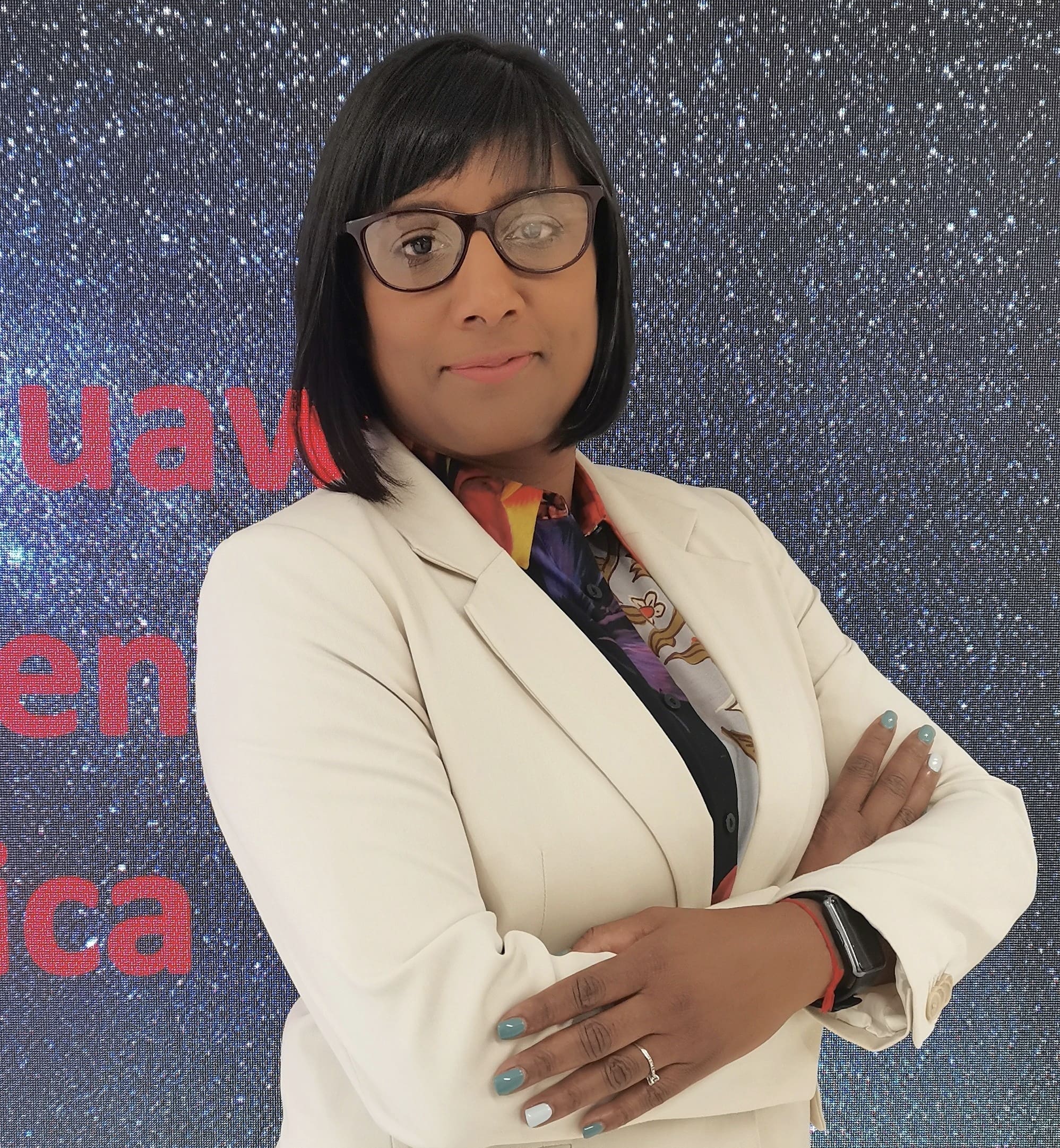 Vanashree Govender, Senior PR Manager, Media and Communications, Huawei South Africa
Making languages digitally usable takes more than goodwill. It requires datasets that reflect how people actually speak and write across accents, dialects and contexts. It requires foundations such as fonts, keyboards, speech recognition, translation and text recognition that can handle real linguistic diversity. And it requires coordination, universities, public institutions, language communities, developers and platforms working toward shared resources and shared progress.
There is also a trust dimension. Language data carries cultural meaning and community knowledge. Building stronger language support must be done responsibly, with care around privacy, consent, representation and ownership.
This is why language inclusion cannot sit on the margins. As governments digitise services, schools adopt blended learning, and small businesses rely on digital platforms, language becomes a gateway to participation. If a parent can’t understand a school message because it arrives in an unfamiliar language, or an entrepreneur can’t navigate a platform in the language they know best, inclusion remains incomplete.
At Huawei, we frame this as an ecosystem priority, a question of who digital services are built for, and which languages are recognised by default. When your language is missing online, access to learning, services, and opportunities is limited. We need digital ecosystems that recognise more people in the languages they live in. This is not a single product decision. It is a long-term direction that sits across technology choices, investment, partnerships and capability-building.
International Mother Language Day is an invitation to treat linguistic diversity as part of the design brief for the digital future. The goal is not to treat every language identically; it is to ensure every community can participate fully in digital life without trading identity for access.
The next decade of AI will decide whether the digital world becomes more inclusive by default or more exclusive by design. If we want a digital economy that works for everyone, mother-tongue access has to be part of the plan, in policy, education, platform investment and the partnerships that help more languages become visible, functional and valued online.
- Vanashree Govender, Senior PR Manager, Media and Communications, Huawei South Africa


You May Also Like

RAVE Price Surges by 85% as Liquidations Spike Across Crypto Markets

The Bitcoin Price Prediction That Could Change Everything as Pepeto Presale Fills Before Listing