BitcoinWorld Stablecoins: Nobel Laureate’s Dire Warning on Bailout Risk The world of digital finance often promises innovation and freedom, but what if a core component of this new economy harbors a hidden danger? A recent, compelling warning from Nobel laureate in economics Jean Tirole has cast a spotlight on stablecoins, suggesting they could trigger a financial crisis severe enough to necessitate a massive government bailout. This isn’t just academic speculation; it’s a stark reminder of the potential vulnerabilities within the rapidly evolving cryptocurrency market. Why Are Stablecoins a Cause for Such Alarm? Many retail investors perceive stablecoins as perfectly safe havens, akin to traditional bank deposits. This perception, however, masks a critical reality. Jean Tirole, in an interview with the Financial Times, highlighted that this assumption of safety creates a significant risk. If confidence in these digital assets were to erode, it could spark large-scale redemptions. Consequently, governments would face immense political pressure to intervene. The potential for widespread losses among everyday investors means a bailout becomes a highly likely, albeit undesirable, outcome. This situation underscores a fundamental challenge for the stability of stablecoins. The Troubling Truth About Stablecoin Reserves At the heart of Tirole’s concern lies the composition of stablecoin reserves. These reserves are meant to back the value of the stablecoin, ensuring it maintains its peg to a fiat currency like the U.S. dollar. While U.S. Treasurys are a popular choice for their perceived safety, their yields can often turn negative when accounting for inflation. This reality creates a strong incentive for issuers to chase higher returns. To achieve this, they often invest in riskier assets, inadvertently introducing volatility and instability into the very instruments designed to be stable. This practice directly compromises the integrity of stablecoins and their ability to withstand market shocks. Are Current Regulations Sufficient for Stablecoins? Market supervision could theoretically mitigate the risks associated with reserve management. However, Tirole argues that current regulations are simply insufficient. This isn’t due to a lack of understanding of the problem, but rather a complex web of political and financial conflicts of interest within the U.S. political establishment concerning cryptocurrency. Effective regulation requires clear, decisive action, which is currently hampered. Without robust oversight, the inherent risks of stablecoins remain largely unaddressed, leaving the door open for potential systemic issues. This regulatory vacuum poses a significant challenge for the future of digital finance. What Could a Stablecoin Bailout Mean for You? The prospect of a government bailout for stablecoins carries far-reaching implications. Such an event would not only be a massive financial undertaking, likely funded by taxpayers, but it could also severely damage public trust in the broader cryptocurrency ecosystem. Here’s what could happen: Taxpayer Burden: A bailout would divert public funds to rescue private entities, impacting national budgets. Market Instability: It could trigger wider panic in financial markets, affecting both traditional and digital assets. Regulatory Crackdown: Governments would likely impose much stricter regulations on all cryptocurrencies, potentially stifling innovation. Erosion of Trust: Investor confidence in digital assets, including stablecoins, could plummet, leading to a prolonged recovery period. Understanding these potential consequences highlights the urgent need for proactive measures rather than reactive bailouts. The Path Forward: Strengthening Stablecoin Stability The warnings from experts like Jean Tirole serve as a critical call to action. To prevent a future crisis, several steps are essential: Enhanced Transparency: Issuers of stablecoins must provide clear, real-time audits of their reserve holdings. Stricter Reserve Requirements: Regulations should mandate that reserves consist solely of highly liquid, low-risk assets. Unified Global Regulation: Given the borderless nature of cryptocurrencies, international cooperation on regulatory frameworks for stablecoins is vital. Investor Education: Educating retail investors about the true risks and mechanisms of stablecoins is paramount. By implementing these measures, we can work towards a more secure and resilient digital financial system, ensuring that stablecoins fulfill their promise of stability without posing a systemic risk. The dire warning about stablecoins from a Nobel laureate is not to be taken lightly. It underscores the critical need for robust regulation, transparency, and a clear understanding of the risks involved. While stablecoins offer significant potential for the future of finance, their underlying stability must be rigorously managed to prevent them from becoming a source of systemic financial distress and a burden on taxpayers. Proactive steps now can avert a crisis later, safeguarding both investors and the broader economy. Frequently Asked Questions (FAQs) Q1: What exactly are stablecoins? Stablecoins are a type of cryptocurrency designed to maintain a stable value, typically pegged to a fiat currency like the US dollar or a commodity like gold. They aim to combine the benefits of cryptocurrencies (like fast transactions and global reach) with the stability of traditional currencies. Q2: Why does a Nobel laureate warn about stablecoins? Nobel laureate Jean Tirole warns about stablecoins primarily due to concerns over their reserve composition and the public’s perception of them as risk-free. He fears that a loss of confidence could trigger massive redemptions, forcing governments to intervene with bailouts to protect retail investors. Q3: What are the main risks associated with stablecoins? The main risks include inadequate or risky reserve backing, lack of transparency in reserve audits, potential for large-scale redemptions if confidence is lost, and insufficient regulatory oversight. These factors can lead to a de-pegging event, where the stablecoin loses its intended value. Q4: How could a government bailout of stablecoins impact the economy? A government bailout for stablecoins could lead to significant taxpayer burdens, create widespread financial market instability, and erode public trust in both digital assets and financial institutions. It might also trigger more stringent, potentially stifling, regulations across the entire crypto sector. Q5: What measures can be taken to make stablecoins safer? To enhance the safety of stablecoins, measures such as mandating full transparency and regular audits of reserves, requiring reserves to be held in highly liquid and low-risk assets, establishing clear and comprehensive regulatory frameworks, and improving investor education are crucial. If you found this article insightful, consider sharing it with your network! Help us spread awareness about the critical discussions shaping the future of digital finance. Your shares make a difference in fostering a more informed community. To learn more about the latest crypto market trends, explore our article on key developments shaping stablecoins institutional adoption. This post Stablecoins: Nobel Laureate’s Dire Warning on Bailout Risk first appeared on BitcoinWorld and is written by Editorial TeamBitcoinWorld Stablecoins: Nobel Laureate’s Dire Warning on Bailout Risk The world of digital finance often promises innovation and freedom, but what if a core component of this new economy harbors a hidden danger? A recent, compelling warning from Nobel laureate in economics Jean Tirole has cast a spotlight on stablecoins, suggesting they could trigger a financial crisis severe enough to necessitate a massive government bailout. This isn’t just academic speculation; it’s a stark reminder of the potential vulnerabilities within the rapidly evolving cryptocurrency market. Why Are Stablecoins a Cause for Such Alarm? Many retail investors perceive stablecoins as perfectly safe havens, akin to traditional bank deposits. This perception, however, masks a critical reality. Jean Tirole, in an interview with the Financial Times, highlighted that this assumption of safety creates a significant risk. If confidence in these digital assets were to erode, it could spark large-scale redemptions. Consequently, governments would face immense political pressure to intervene. The potential for widespread losses among everyday investors means a bailout becomes a highly likely, albeit undesirable, outcome. This situation underscores a fundamental challenge for the stability of stablecoins. The Troubling Truth About Stablecoin Reserves At the heart of Tirole’s concern lies the composition of stablecoin reserves. These reserves are meant to back the value of the stablecoin, ensuring it maintains its peg to a fiat currency like the U.S. dollar. While U.S. Treasurys are a popular choice for their perceived safety, their yields can often turn negative when accounting for inflation. This reality creates a strong incentive for issuers to chase higher returns. To achieve this, they often invest in riskier assets, inadvertently introducing volatility and instability into the very instruments designed to be stable. This practice directly compromises the integrity of stablecoins and their ability to withstand market shocks. Are Current Regulations Sufficient for Stablecoins? Market supervision could theoretically mitigate the risks associated with reserve management. However, Tirole argues that current regulations are simply insufficient. This isn’t due to a lack of understanding of the problem, but rather a complex web of political and financial conflicts of interest within the U.S. political establishment concerning cryptocurrency. Effective regulation requires clear, decisive action, which is currently hampered. Without robust oversight, the inherent risks of stablecoins remain largely unaddressed, leaving the door open for potential systemic issues. This regulatory vacuum poses a significant challenge for the future of digital finance. What Could a Stablecoin Bailout Mean for You? The prospect of a government bailout for stablecoins carries far-reaching implications. Such an event would not only be a massive financial undertaking, likely funded by taxpayers, but it could also severely damage public trust in the broader cryptocurrency ecosystem. Here’s what could happen: Taxpayer Burden: A bailout would divert public funds to rescue private entities, impacting national budgets. Market Instability: It could trigger wider panic in financial markets, affecting both traditional and digital assets. Regulatory Crackdown: Governments would likely impose much stricter regulations on all cryptocurrencies, potentially stifling innovation. Erosion of Trust: Investor confidence in digital assets, including stablecoins, could plummet, leading to a prolonged recovery period. Understanding these potential consequences highlights the urgent need for proactive measures rather than reactive bailouts. The Path Forward: Strengthening Stablecoin Stability The warnings from experts like Jean Tirole serve as a critical call to action. To prevent a future crisis, several steps are essential: Enhanced Transparency: Issuers of stablecoins must provide clear, real-time audits of their reserve holdings. Stricter Reserve Requirements: Regulations should mandate that reserves consist solely of highly liquid, low-risk assets. Unified Global Regulation: Given the borderless nature of cryptocurrencies, international cooperation on regulatory frameworks for stablecoins is vital. Investor Education: Educating retail investors about the true risks and mechanisms of stablecoins is paramount. By implementing these measures, we can work towards a more secure and resilient digital financial system, ensuring that stablecoins fulfill their promise of stability without posing a systemic risk. The dire warning about stablecoins from a Nobel laureate is not to be taken lightly. It underscores the critical need for robust regulation, transparency, and a clear understanding of the risks involved. While stablecoins offer significant potential for the future of finance, their underlying stability must be rigorously managed to prevent them from becoming a source of systemic financial distress and a burden on taxpayers. Proactive steps now can avert a crisis later, safeguarding both investors and the broader economy. Frequently Asked Questions (FAQs) Q1: What exactly are stablecoins? Stablecoins are a type of cryptocurrency designed to maintain a stable value, typically pegged to a fiat currency like the US dollar or a commodity like gold. They aim to combine the benefits of cryptocurrencies (like fast transactions and global reach) with the stability of traditional currencies. Q2: Why does a Nobel laureate warn about stablecoins? Nobel laureate Jean Tirole warns about stablecoins primarily due to concerns over their reserve composition and the public’s perception of them as risk-free. He fears that a loss of confidence could trigger massive redemptions, forcing governments to intervene with bailouts to protect retail investors. Q3: What are the main risks associated with stablecoins? The main risks include inadequate or risky reserve backing, lack of transparency in reserve audits, potential for large-scale redemptions if confidence is lost, and insufficient regulatory oversight. These factors can lead to a de-pegging event, where the stablecoin loses its intended value. Q4: How could a government bailout of stablecoins impact the economy? A government bailout for stablecoins could lead to significant taxpayer burdens, create widespread financial market instability, and erode public trust in both digital assets and financial institutions. It might also trigger more stringent, potentially stifling, regulations across the entire crypto sector. Q5: What measures can be taken to make stablecoins safer? To enhance the safety of stablecoins, measures such as mandating full transparency and regular audits of reserves, requiring reserves to be held in highly liquid and low-risk assets, establishing clear and comprehensive regulatory frameworks, and improving investor education are crucial. If you found this article insightful, consider sharing it with your network! Help us spread awareness about the critical discussions shaping the future of digital finance. Your shares make a difference in fostering a more informed community. To learn more about the latest crypto market trends, explore our article on key developments shaping stablecoins institutional adoption. This post Stablecoins: Nobel Laureate’s Dire Warning on Bailout Risk first appeared on BitcoinWorld and is written by Editorial Team

Stablecoins: Nobel Laureate’s Dire Warning on Bailout Risk

BitcoinWorld
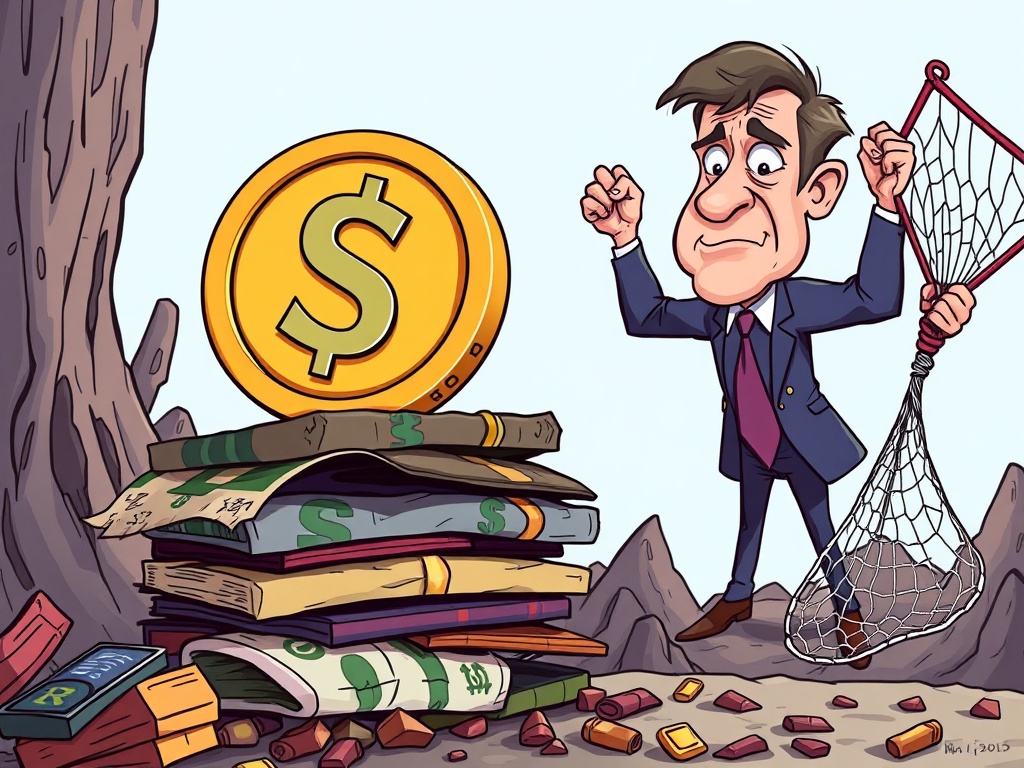
Stablecoins: Nobel Laureate’s Dire Warning on Bailout Risk

The world of digital finance often promises innovation and freedom, but what if a core component of this new economy harbors a hidden danger? A recent, compelling warning from Nobel laureate in economics Jean Tirole has cast a spotlight on stablecoins, suggesting they could trigger a financial crisis severe enough to necessitate a massive government bailout. This isn’t just academic speculation; it’s a stark reminder of the potential vulnerabilities within the rapidly evolving cryptocurrency market.

Why Are Stablecoins a Cause for Such Alarm?

Many retail investors perceive stablecoins as perfectly safe havens, akin to traditional bank deposits. This perception, however, masks a critical reality. Jean Tirole, in an interview with the Financial Times, highlighted that this assumption of safety creates a significant risk. If confidence in these digital assets were to erode, it could spark large-scale redemptions.

Consequently, governments would face immense political pressure to intervene. The potential for widespread losses among everyday investors means a bailout becomes a highly likely, albeit undesirable, outcome. This situation underscores a fundamental challenge for the stability of stablecoins.

The Troubling Truth About Stablecoin Reserves

At the heart of Tirole’s concern lies the composition of stablecoin reserves. These reserves are meant to back the value of the stablecoin, ensuring it maintains its peg to a fiat currency like the U.S. dollar. While U.S. Treasurys are a popular choice for their perceived safety, their yields can often turn negative when accounting for inflation.

This reality creates a strong incentive for issuers to chase higher returns. To achieve this, they often invest in riskier assets, inadvertently introducing volatility and instability into the very instruments designed to be stable. This practice directly compromises the integrity of stablecoins and their ability to withstand market shocks.

Are Current Regulations Sufficient for Stablecoins?

Market supervision could theoretically mitigate the risks associated with reserve management. However, Tirole argues that current regulations are simply insufficient. This isn’t due to a lack of understanding of the problem, but rather a complex web of political and financial conflicts of interest within the U.S. political establishment concerning cryptocurrency.

Effective regulation requires clear, decisive action, which is currently hampered. Without robust oversight, the inherent risks of stablecoins remain largely unaddressed, leaving the door open for potential systemic issues. This regulatory vacuum poses a significant challenge for the future of digital finance.

What Could a Stablecoin Bailout Mean for You?

The prospect of a government bailout for stablecoins carries far-reaching implications. Such an event would not only be a massive financial undertaking, likely funded by taxpayers, but it could also severely damage public trust in the broader cryptocurrency ecosystem. Here’s what could happen:

  • Taxpayer Burden: A bailout would divert public funds to rescue private entities, impacting national budgets.
  • Market Instability: It could trigger wider panic in financial markets, affecting both traditional and digital assets.
  • Regulatory Crackdown: Governments would likely impose much stricter regulations on all cryptocurrencies, potentially stifling innovation.
  • Erosion of Trust: Investor confidence in digital assets, including stablecoins, could plummet, leading to a prolonged recovery period.

Understanding these potential consequences highlights the urgent need for proactive measures rather than reactive bailouts.

The Path Forward: Strengthening Stablecoin Stability

The warnings from experts like Jean Tirole serve as a critical call to action. To prevent a future crisis, several steps are essential:

  • Enhanced Transparency: Issuers of stablecoins must provide clear, real-time audits of their reserve holdings.
  • Stricter Reserve Requirements: Regulations should mandate that reserves consist solely of highly liquid, low-risk assets.
  • Unified Global Regulation: Given the borderless nature of cryptocurrencies, international cooperation on regulatory frameworks for stablecoins is vital.
  • Investor Education: Educating retail investors about the true risks and mechanisms of stablecoins is paramount.

By implementing these measures, we can work towards a more secure and resilient digital financial system, ensuring that stablecoins fulfill their promise of stability without posing a systemic risk.

The dire warning about stablecoins from a Nobel laureate is not to be taken lightly. It underscores the critical need for robust regulation, transparency, and a clear understanding of the risks involved. While stablecoins offer significant potential for the future of finance, their underlying stability must be rigorously managed to prevent them from becoming a source of systemic financial distress and a burden on taxpayers. Proactive steps now can avert a crisis later, safeguarding both investors and the broader economy.

Frequently Asked Questions (FAQs)

Q1: What exactly are stablecoins?

Stablecoins are a type of cryptocurrency designed to maintain a stable value, typically pegged to a fiat currency like the US dollar or a commodity like gold. They aim to combine the benefits of cryptocurrencies (like fast transactions and global reach) with the stability of traditional currencies.

Q2: Why does a Nobel laureate warn about stablecoins?

Nobel laureate Jean Tirole warns about stablecoins primarily due to concerns over their reserve composition and the public’s perception of them as risk-free. He fears that a loss of confidence could trigger massive redemptions, forcing governments to intervene with bailouts to protect retail investors.

Q3: What are the main risks associated with stablecoins?

The main risks include inadequate or risky reserve backing, lack of transparency in reserve audits, potential for large-scale redemptions if confidence is lost, and insufficient regulatory oversight. These factors can lead to a de-pegging event, where the stablecoin loses its intended value.

Q4: How could a government bailout of stablecoins impact the economy?

A government bailout for stablecoins could lead to significant taxpayer burdens, create widespread financial market instability, and erode public trust in both digital assets and financial institutions. It might also trigger more stringent, potentially stifling, regulations across the entire crypto sector.

Q5: What measures can be taken to make stablecoins safer?

To enhance the safety of stablecoins, measures such as mandating full transparency and regular audits of reserves, requiring reserves to be held in highly liquid and low-risk assets, establishing clear and comprehensive regulatory frameworks, and improving investor education are crucial.

If you found this article insightful, consider sharing it with your network! Help us spread awareness about the critical discussions shaping the future of digital finance. Your shares make a difference in fostering a more informed community.

To learn more about the latest crypto market trends, explore our article on key developments shaping stablecoins institutional adoption.

This post Stablecoins: Nobel Laureate’s Dire Warning on Bailout Risk first appeared on BitcoinWorld and is written by Editorial Team


Market Opportunity
Threshold Logo
Threshold Price(T)
$0.009935
$0.009935$0.009935
+0.15%
USD
Threshold (T) Live Price Chart
Disclaimer: The articles reposted on this site are sourced from public platforms and are provided for informational purposes only. They do not necessarily reflect the views of MEXC. All rights remain with the original authors. If you believe any content infringes on third-party rights, please contact service@support.mexc.com for removal. MEXC makes no guarantees regarding the accuracy, completeness, or timeliness of the content and is not responsible for any actions taken based on the information provided. The content does not constitute financial, legal, or other professional advice, nor should it be considered a recommendation or endorsement by MEXC.

You May Also Like

Ozak AI Crosses $3.2 Million Raised—How Early Investors Are Now Sitting On 100x Returns And Triple-Digit Profit Percentages

Ozak AI Crosses $3.2 Million Raised—How Early Investors Are Now Sitting On 100x Returns And Triple-Digit Profit Percentages

The post Ozak AI Crosses $3.2 Million Raised—How Early Investors Are Now Sitting On 100x Returns And Triple-Digit Profit Percentages appeared on BitcoinEthereumNews.com. Ozak AI’s presale has reached an impressive milestone, raising over $3.2 million and selling over 905 million $OZ tokens. With the presale now in Phase 6, the price of $OZ stands at $0.012, offering a unique opportunity for investors. As the presale continues, the price will grow to $0.014 at the next stage, as the presale proceeds, which will indicate the presence of a great growth prospect. This has already seen first movers make gains of up to 100 times their original investment, and it is currently one of the most anticipated crypto events in recent months. It will continue to increase in price, and the final goal will be one dollar per token, with early investors having the ability to get high percentages of profits. Presale Details and Upcoming Milestones The presale has been an interesting event, with a total of 905 million tokens being sold and raising a total of $3,270,894.70. There has been a rush by investors to purchase their tokens at the prevailing price of $0.012. The price will rise to $0.014 during the next stage of the presale, which will also boost the returns of the early adopters. The presale gives a target price in the future of $1.00 per token, giving the investors an opportunity to enjoy the returns of up to 100x, in addition to the triple-digit percentage profits. The presale is getting attention not only because of its price trend but also due to the high-tech underpinning behind Ozak AI, which is a combination of machine learning frameworks and blockchain technology. The combination has created a buzz on the possibility of real-time market forecasting and risk assessment. The increasing number of partnerships with the Pyth Network and Dex3, among others, is also enticing investors, as it will improve the data feeds and…
Share
BitcoinEthereumNews2025/09/18 20:42
Utah Man Receives 3-Year Sentence For $3M Deceptive Exchange Scheme

Utah Man Receives 3-Year Sentence For $3M Deceptive Exchange Scheme

The post Utah Man Receives 3-Year Sentence For $3M Deceptive Exchange Scheme appeared on BitcoinEthereumNews.com. Crypto Fraud Exposed: Utah Man Receives 3-Year
Share
BitcoinEthereumNews2026/01/16 11:56
Zero Knowledge Proof (ZKP) Set To Explode 3000x, Surpassing POL And Ethereum As The Next Crypto Breakout

Zero Knowledge Proof (ZKP) Set To Explode 3000x, Surpassing POL And Ethereum As The Next Crypto Breakout

Explore Zero Knowledge Proof (ZKP) as it targets 3000x gains, outperforming POL and Ethereum while capturing major attention from crypto investors worldwide.
Share
CoinLive2026/01/16 12:00