

Gold Price Surge: Soaring Safe-Haven Demand Amidst US-Iran War Fears

BitcoinWorld
Gold Price Surge: Soaring Safe-Haven Demand Amidst US-Iran War Fears
LONDON, UK – Global financial markets are witnessing a dramatic gold price surge as escalating military tensions between the United States and Iran trigger a massive flight to traditional safe-haven assets. Consequently, spot gold prices have breached critical resistance levels, reflecting deep-seated investor anxiety about broader regional conflict. This movement follows a series of targeted airstrikes and retaliatory threats that have significantly heightened geopolitical risk premiums across all asset classes.
Gold Price Surge Driven by Geopolitical Flashpoint
The immediate catalyst for the precious metal’s rally is the confirmed direct military engagement between US and Iranian forces in the Persian Gulf region. Specifically, reports from the Pentagon detail a significant escalation over the past 72 hours. As a result, benchmark gold futures on the COMEX exchange soared by over 5% in a single trading session. Historically, gold demonstrates an inverse correlation to investor risk appetite during such crises. Furthermore, this price action mirrors patterns observed during previous Middle Eastern conflicts, though the velocity of the current move is notably sharper.
Market analysts point to several reinforcing factors behind the gold price surge. Firstly, the conflict threatens critical global oil supply routes, stoking inflation fears. Secondly, it creates uncertainty regarding the monetary policy trajectory of major central banks. “Investors are not just buying gold; they are buying insurance,” stated Dr. Anya Petrova, Chief Commodities Strategist at Global Macro Advisors. “The scale of the move indicates a market pricing in a prolonged period of instability, not just a short-term flare-up.”
Analyzing the Safe-Haven Asset Dynamics
During periods of geopolitical stress, capital typically rotates from risk assets like equities to perceived stores of value. Gold, alongside the US dollar and certain government bonds, sits at the core of this safe-haven assets universe. The current environment presents a nuanced picture. While the US dollar has also strengthened, its role as a haven is complicated by America’s direct involvement in the conflict. This unique dynamic has arguably amplified gold’s attractiveness as a neutral, non-sovereign asset.
The following table compares asset performance since the escalation began:
| Asset Class | Performance (%) | Key Driver |
|---|---|---|
| Spot Gold (XAU/USD) | +5.8 | Geopolitical risk, inflation hedge |
| S&P 500 Index | -3.2 | Risk aversion, earnings uncertainty |
| US 10-Year Treasury Yield | -0.25% (price up) | Flight to quality |
| Brent Crude Oil | +12.1 | Supply disruption fears |
| US Dollar Index (DXY) | +1.5 | Mixed safe-haven demand |
This data illustrates a classic risk-off rotation. However, the concurrent rise in oil prices adds a secondary inflationary impulse that further supports precious metals demand. Central banks, particularly those in emerging markets, have also been consistent net buyers of gold for diversification over the past decade. This institutional bid provides a solid floor under the market during pullbacks.
Historical Context and Expert Market Outlook
To understand the potential trajectory, experts often examine previous conflict-driven rallies. For instance, the initial invasion of Ukraine in 2022 saw gold rise approximately 15% over three weeks before consolidating. The 2020 US-Iran crisis following the Qasem Soleimani strike produced a sharper but shorter-lived spike of 4% in two days. The current US-Iran conflict appears to blend elements of both: the immediate tactical escalation of 2020 with the broader, systemic implications of 2022.
“The key variable is whether the conflict remains contained or draws in regional proxies and global powers,” explains Marcus Chen, a veteran geopolitical risk consultant. “Market pricing currently suggests a 40% probability of a wider regional war, according to our derivatives-based models. Each upward tick in that probability will be reflected directly in the gold price.” Technical analysts note that gold has now broken decisively above its 2023 high, clearing a major multi-year resistance zone. The next significant technical target sits nearly 10% above current levels, a move that would be validated by any further military escalation.
Broader Economic Impacts and Sectoral Effects
The ramifications of the gold price surge extend far beyond the commodities pits. Firstly, mining equities have dramatically outperformed the broader market, with senior producers seeing double-digit percentage gains. Secondly, the rising cost of gold is impacting key manufacturing sectors. For example, the electronics and jewelry industries face immediate margin pressure from higher raw material costs. Conversely, economies with large gold exports, such as Australia and Canada, may see a beneficial trade impact.
For retail and institutional investors, the rally prompts strategic reassessments. Portfolio managers are actively debating the optimal allocation to safe-haven assets in a newly volatile world. The classic 60/40 stock-bond portfolio has shown vulnerability during this crisis, reigniting interest in alternative real assets. Financial advisors report a surge in inquiries about:
- Physical bullion (bars and coins) for direct ownership.
- Gold-backed ETFs (Exchange-Traded Funds) for liquidity and ease.
- Shares in major mining companies for leveraged exposure.
- Royalty and streaming companies as a lower-risk equity alternative.
Monetary policy adds another layer of complexity. Central banks, primarily focused on inflation, may now also need to consider financial stability risks stemming from the conflict. An abrupt, sustained rise in gold is often interpreted as a market vote of no confidence in fiat currency management. This symbolic weight is not lost on policymakers in Washington, Brussels, and Beijing.
Conclusion
The dramatic gold price surge serves as the clearest financial market signal of elevated global anxiety. It underscores gold’s enduring role as the ultimate safe-haven asset during periods of geopolitical rupture, such as the current US-Iran conflict. While short-term volatility is guaranteed, the medium-term path for precious metals will be dictated by the conflict’s scope, duration, and secondary effects on inflation and global growth. Investors and analysts alike will monitor diplomatic channels and military developments with intense focus, knowing each headline can move billions in capital. Ultimately, this episode reinforces the strategic importance of including non-correlated assets like gold within a diversified portfolio to mitigate unforeseen systemic risks.
FAQs
Q1: Why does gold go up when there is a war?
A1: Gold is considered a ‘safe-haven’ asset because it is a physical store of value not tied to any government or company. During wars or geopolitical crises, investors sell riskier assets like stocks and buy gold to preserve capital, driving up its price due to increased demand and its perceived safety.
Q2: How high could gold prices go if the US-Iran war expands?
A2: While predictions are uncertain, analysts use historical parallels and option market pricing. A prolonged, regionalized conflict could push prices 15-25% above pre-crisis levels, as seen in past major geopolitical events. The price would factor in sustained risk, potential supply disruptions, and higher inflation.
Q3: Are there other safe-haven assets besides gold?
A3: Yes. Major alternatives include the US dollar (USD), Swiss franc (CHF), Japanese government bonds (JGBs), and US Treasury bonds. However, in a conflict directly involving the US, the dollar’s haven status can be mixed, sometimes enhancing gold’s relative appeal as a neutral asset.
Q4: How does a rising gold price affect the average person?
A4: Directly, it makes gold jewelry and electronics more expensive. Indirectly, it can signal broader economic stress that may impact investment portfolios, retirement accounts, and overall consumer confidence. It can also benefit economies and jobs in regions with large gold mining operations.
Q5: Is it too late to invest in gold after a big price surge?
A5: Market timing is difficult. Financial advisors typically recommend a small, strategic allocation to gold (e.g., 5-10% of a portfolio) for diversification, regardless of short-term prices. The decision should be based on long-term financial goals and risk tolerance, not just reacting to recent headlines.
This post Gold Price Surge: Soaring Safe-Haven Demand Amidst US-Iran War Fears first appeared on BitcoinWorld.


You May Also Like

Digital Yuan Adoption Expands With 26 New Partnerships
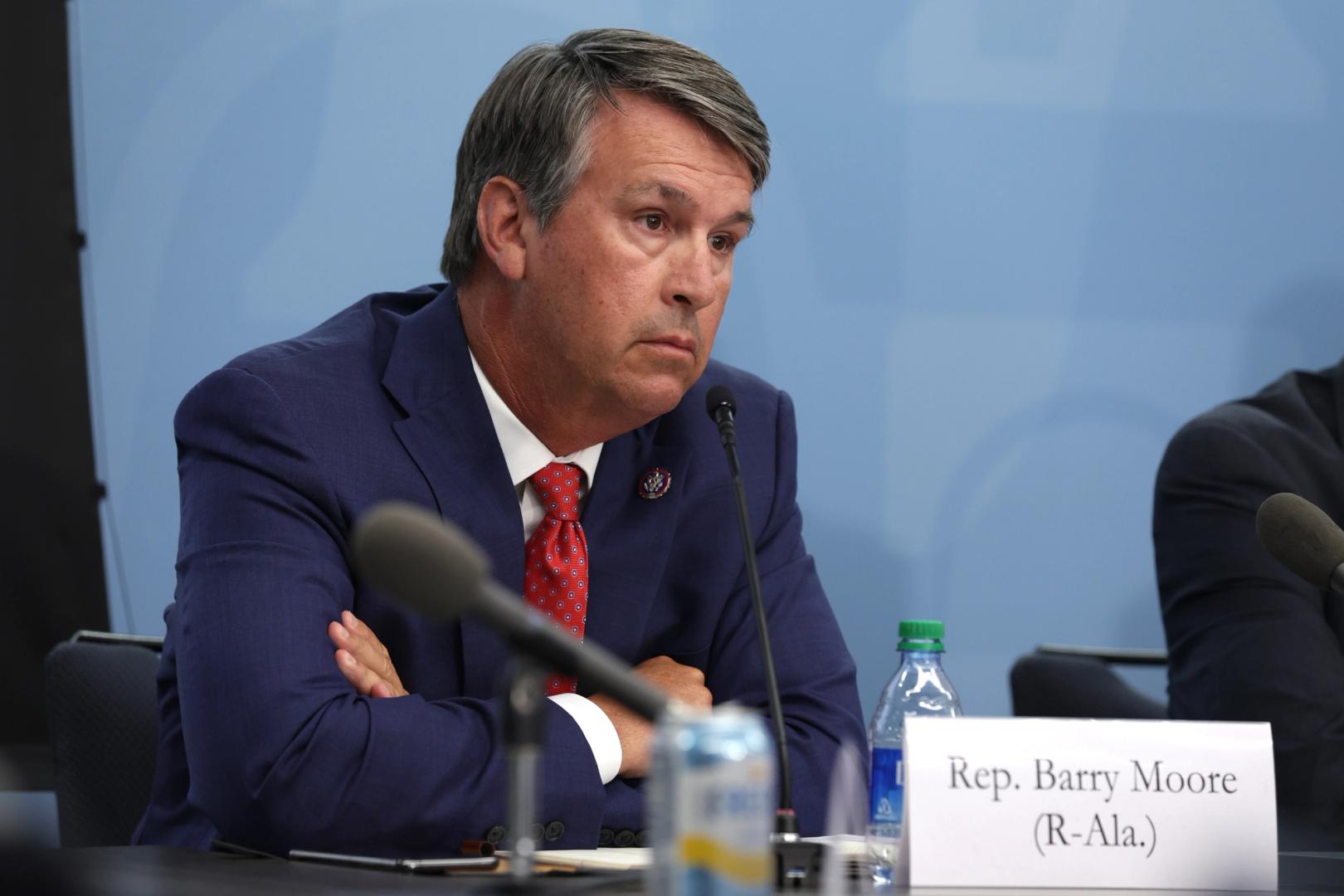
Crypto PAC's $12 million Senate candidate, Barry Moore, wins Alabama GOP primary

Kalshi perps volume tops $5.5B as it eyes markets beyond crypto



