The S&P 500 closed at 6,740 on Friday after the S&P 500 shed 2% for the week in its worst performance in months. Oil above $90, 92,000 jobs lost, and war with Iran have pushed the S&P 500 into negative territory for 2026 for the first time. Wells Fargo projects the S&P 500 could reach 7,500 by year end in its best case, roughly 11% from here, or drop to 6,000 in a prolonged oil shock scenario.
Eleven percent up or eleven percent down. That is the range the S&P 500 offers for the rest of the year.
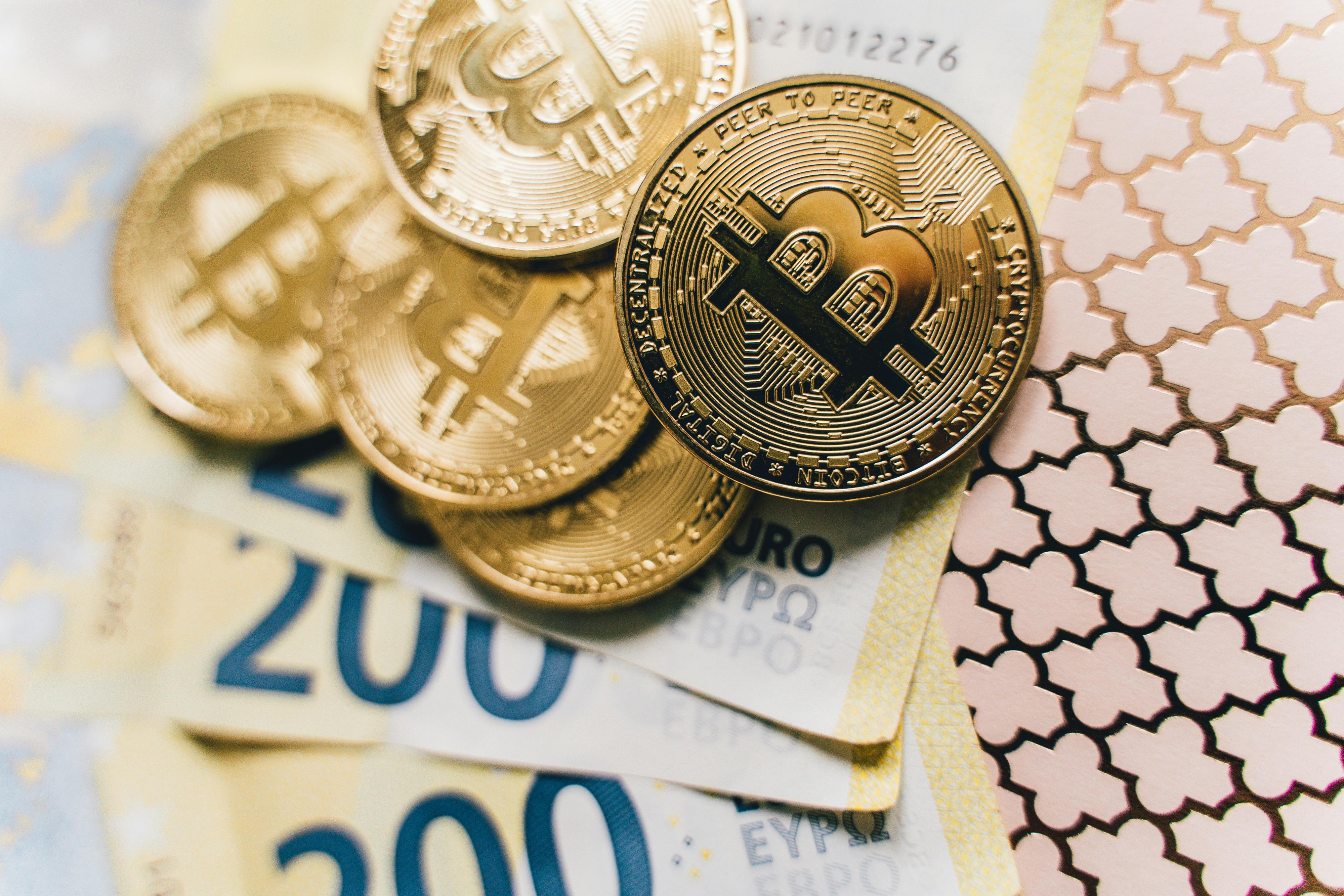
As MarketWatch reported, while the S&P 500 posted its worst weekly performance in months, crypto investment products attracted $787 million in fresh institutional capital. That divergence between the S&P 500 and crypto is not random. It reveals why capital is quietly leaving the S&P 500 and flowing into a category that most S&P 500 investors have never evaluated: crypto founding rounds that solve real infrastructure problems worth billions.
The S&P 500 Returns 10% Annually but Ethereum Loses Its Users $4.7 Billion a Year in Fees
The S&P 500 has averaged roughly 10% annual returns over its history. Stock investors accept that number because the S&P 500 represents safety, diversification, and the broad American economy. But this week the S&P 500 delivered a 2% loss while the crypto market attracted $787 million from the same institutional investors who normally allocate to the S&P 500.
As Barron’s covered, Ethereum processes 2.88 million crypto transactions daily at a $240 billion market cap but charges users $5 to $50 per transaction. Cross chain bridges cost $45 to $85 per transfer. Research shows 49% of Ethereum bridge users ended up with zero balance after paying gas fees, meaning the infrastructure consumed all their remaining capital. That fee extraction totals roughly $4.7 billion annually.
For S&P 500 investors, the parallel is a stock exchange charging $30 per $100 trade. The moment a competing venue offers zero fees and identical access, every rational trader migrates. That migration event is exactly what one crypto founding round is building toward, and S&P 500 investors who understand demand capture recognize the opportunity immediately.
The Crypto Founding Round That Makes the S&P 500’s Best Year Look Like a Rounding Error
Pepeto is constructing the zero fee competitor to Ethereum’s toll system. A unified trading platform with zero cost execution, bridge infrastructure connecting fragmented networks like a brokerage linking separate exchanges, and portfolio tools consolidating scattered holdings into one audited screen. PepetoSwap replaces the $15 to $50 per swap Ethereum currently extracts. SolidProof audited every contract. The original Pepe ecosystem cofounder who built a $2 billion asset oversees the build.
The founding round attracted $7.4 million during the S&P 500’s worst week of the year. A $10,000 position in the S&P 500 earns roughly $1,000 in a good year. That same $10,000 in Pepeto’s founding round generates approximately $1,740 per month in 200% annual yield while the listing window remains open.
And here is what separates founding round holders from S&P 500 investors and from anyone who buys after the token goes public. Founding round holders earn 200% yield that ends permanently at listing. Their cost basis locks at the lowest possible price and adjusts permanently when the token lists on public exchanges.
And they accumulate before the platform launches, so every trader migrating from Ethereum’s fees increases demand for an asset they already hold at the lowest possible price. The S&P 500 gives everyone the same 10%. Pepeto’s founding round gives early holders a structural advantage that vanishes the day the token goes public.
The S&P 500 Will Recover but the Founding Round Closes at Listing
The S&P 500 has recovered from every correction in its history. It will recover from this one. But the founding round at Pepeto is not the S&P 500. The S&P 500 waits for you. The founding round does not. The yield stops at listing. The cost basis reprices permanently. And the structural edge disappears the day the token trades publicly.
Visit the Pepeto official website and make the allocation while the S&P 500’s worst week creates the distraction. The founding round window is measured in weeks, not quarters.
Click To Visit Pepeto Website To Enter The Presale
FAQs
Is crypto a better investment than the S&P 500 in 2026?
The S&P 500 offers 10% annually in its best years and lost 2% this week. Pepeto’s founding round pays 200% annual yield and solves Ethereum’s $4.7 billion fee problem, giving founding round holders returns the S&P 500 cannot produce in any scenario.
Why is money leaving the S&P 500 and flowing into crypto?
The S&P 500 turned negative for 2026 while crypto attracted $787 million in one week. Pepeto’s founding round offers 200% yield and infrastructure solving a billion dollar Ethereum bottleneck, structural returns the S&P 500 has never offered. Visit the Pepeto official website.
How does Pepeto’s annual yield compare to S&P 500 annual returns?
The S&P 500 averages 10% annually. Pepeto’s founding round pays 200% annual yield compounding daily, plus founding round holders capture the full repricing at listing that post-listing buyers and S&P 500 investors never receive.