

Strategic Oil Reserves: G7 Nations Plan Crucial Joint Release to Stabilize Volatile Markets
BitcoinWorld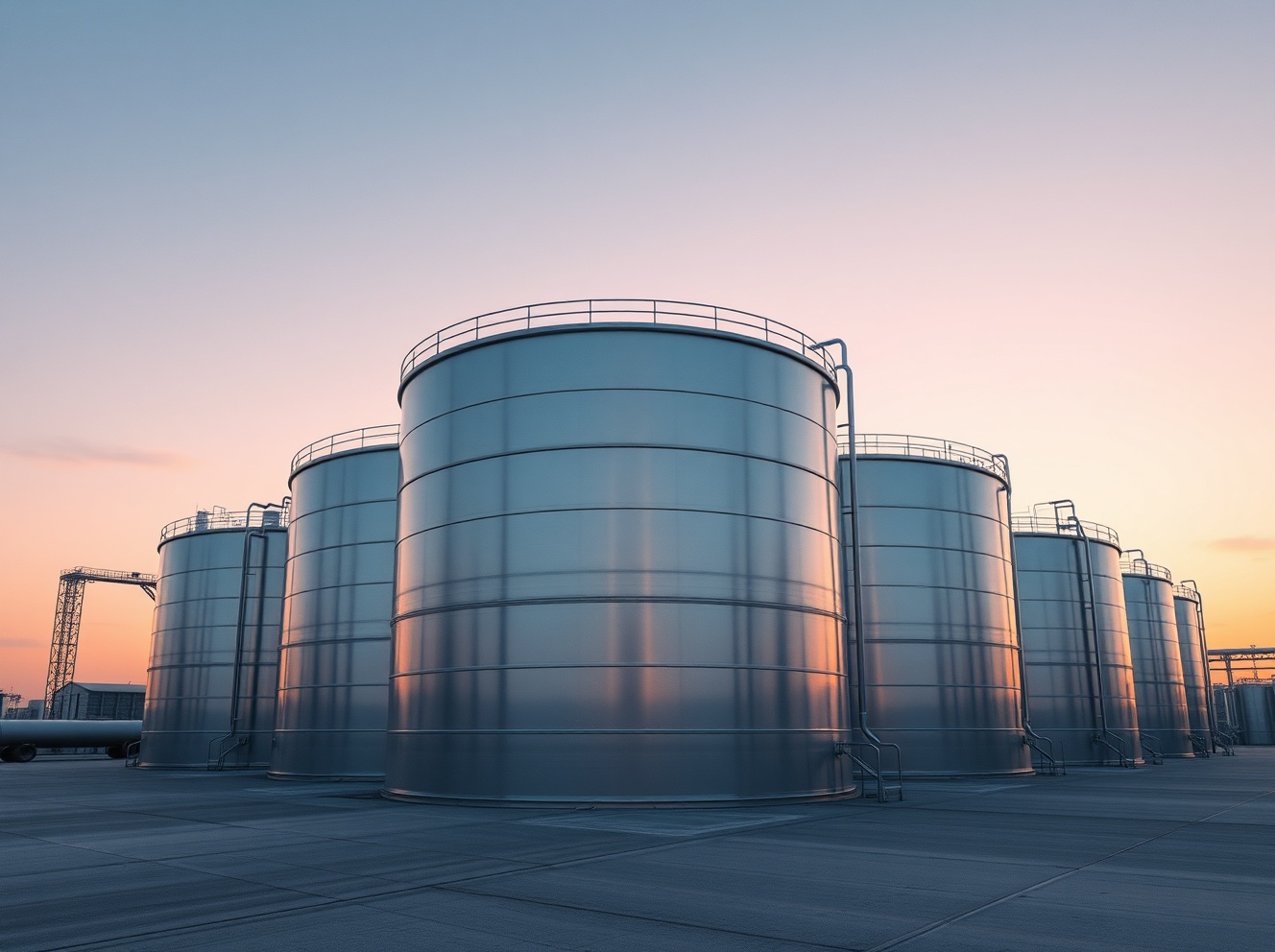
Strategic Oil Reserves: G7 Nations Plan Crucial Joint Release to Stabilize Volatile Markets
Finance ministers from the Group of Seven nations will hold urgent discussions today about a coordinated release of strategic petroleum reserves, according to exclusive Financial Times reporting. This potential action represents a significant development in global energy security coordination. The planned conference call follows confirmed support from three member nations, including the United States. Market analysts immediately noted the announcement’s timing coincides with ongoing supply concerns.
G7 Strategic Oil Reserves: Historical Context and Current Pressures
Strategic petroleum reserves represent government-controlled stockpiles of crude oil and petroleum products. Nations maintain these reserves specifically for emergency situations. The International Energy Agency coordinates releases among its member countries during supply disruptions. Historically, the United States maintains the world’s largest strategic reserve with approximately 714 million barrels. Japan and several European nations also maintain substantial reserves. Recent market volatility has prompted renewed discussions about coordinated action.
Global oil markets have experienced considerable pressure throughout 2024 and early 2025. Several factors contribute to current supply concerns. Geopolitical tensions in key producing regions continue to create uncertainty. Additionally, production decisions by major exporting nations influence global supply balances. The upcoming G7 discussion follows previous coordinated releases in 2011, 2022, and 2023. Each previous action aimed to stabilize markets during specific crises.
Mechanics of Strategic Reserve Releases
Coordinated reserve releases involve complex logistical planning. Governments typically use several methods to distribute stored petroleum. These methods include direct sales to refiners and exchanges requiring future replenishment. The International Energy Agency establishes guidelines for member contributions during coordinated actions. Each nation determines its release volume based on domestic storage capacity and consumption patterns. Market analysts carefully monitor announcement timing and volume details.
Market Impacts and Economic Considerations
Strategic reserve releases directly influence global oil prices through increased immediate supply. However, market impacts depend on several crucial factors. Release volume relative to global daily consumption determines price effect magnitude. Market expectations about future supply conditions also influence price reactions. Previous coordinated actions typically produced temporary price reductions ranging from 4% to 10%. The duration of price effects varies based on underlying market fundamentals.
Economic considerations extend beyond immediate price impacts. Energy security remains a primary concern for industrialized nations. Stable energy supplies support economic growth and industrial activity. High energy prices contribute directly to inflationary pressures. Central banks monitor energy costs when formulating monetary policy. Consequently, strategic reserve decisions carry significant macroeconomic implications. The G7 discussion reflects these broader economic considerations.
Expert Perspectives on Reserve Effectiveness
Energy analysts present varying perspectives on strategic reserve effectiveness. Some experts emphasize psychological market impacts beyond physical supply additions. Announcements demonstrate governmental commitment to market stability. Other analysts highlight limitations of reserve releases during structural supply shortages. Reserve volumes represent only a small percentage of global annual consumption. However, coordinated international action typically generates stronger market responses than unilateral measures.
International Energy Agency Coordination Framework
The International Energy Agency serves as the primary coordination body for strategic reserve actions. Established in 1974, the IEA requires members to maintain emergency reserves equivalent to 90 days of net imports. The agency’s governing board must approve coordinated release proposals. Member countries then implement approved measures according to national procedures. The IEA also monitors global oil markets and provides data analysis. This framework enables structured international responses to supply disruptions.
Previous coordinated releases demonstrate the IEA’s operational capacity. The 2011 release addressed supply disruptions from Libyan production losses. The 2022 action responded to market volatility following geopolitical developments. Each action involved careful consultation among member nations. The current G7 discussion represents preliminary coordination before potential IEA consideration. Successful implementation requires alignment among major consuming nations.
Comparative Reserve Capacities Among G7 Nations
| Country | Strategic Reserve Volume (Million Barrels) | Days of Net Import Coverage |
|---|---|---|
| United States | 714 | ~140 days |
| Japan | ~500 | ~230 days |
| Germany | ~240 | ~90 days |
| France | ~120 | ~90 days |
| United Kingdom | ~40 | ~60 days |
Geopolitical Context and Energy Security
Strategic reserve discussions occur within a complex geopolitical landscape. Energy security considerations extend beyond immediate price concerns. Nations seek to reduce vulnerability to supply disruptions from various sources. These sources include geopolitical conflicts, natural disasters, and infrastructure failures. Diversified energy sources and strategic stockpiles represent key security measures. The G7 discussion reflects ongoing efforts to enhance collective energy resilience.
Recent developments have heightened energy security concerns among industrialized nations. Evolving global supply patterns create new vulnerabilities. Additionally, energy transition efforts introduce additional complexity to security planning. Nations must balance immediate fossil fuel security with long-term decarbonization goals. Strategic reserve management represents one component of comprehensive energy security strategies. The current coordination effort demonstrates continued commitment to this objective.
Environmental and Transition Considerations
Strategic petroleum reserve management intersects with climate policy objectives. Some analysts question reserve investments amid energy transition commitments. However, most experts recognize continued petroleum dependence during transition periods. Reserve releases can mitigate price spikes that might otherwise slow economic transitions. Additionally, stable energy markets support investment in alternative energy infrastructure. The G7 discussion likely considers these transition dynamics alongside immediate market concerns.
Implementation Challenges and Logistical Considerations
Coordinated reserve releases face several practical implementation challenges. Storage location relative to refining capacity influences distribution efficiency. Transportation infrastructure must accommodate increased volumes moving from storage sites. Refinery configurations determine which crude grades prove most useful. These logistical factors affect the timing and effectiveness of release operations. Previous coordinated actions required careful planning to address these challenges.
Market participants closely monitor implementation details beyond announcement headlines. Release scheduling affects market impact duration. Gradual releases may provide sustained price moderation while rapid releases create immediate effects. The specific crude qualities released also influence refinery operations and product yields. The G7 discussion likely addresses these operational considerations alongside broader strategic decisions.
Conclusion
The G7 discussion about strategic oil reserves represents a significant development in global energy market management. Coordinated action demonstrates international commitment to market stability and energy security. Historical precedents suggest potential temporary price moderation effects from such measures. However, underlying market fundamentals ultimately determine long-term price trajectories. The International Energy Agency’s coordination framework provides structure for potential implementation. Market participants will monitor further developments closely as discussions progress. Strategic petroleum reserves remain crucial tools for addressing supply disruptions and stabilizing volatile markets.
FAQs
Q1: What are strategic petroleum reserves?
Strategic petroleum reserves are government-controlled stockpiles of crude oil and petroleum products maintained for emergency situations, typically to address supply disruptions and stabilize markets.
Q2: How does the International Energy Agency coordinate reserve releases?
The IEA requires member countries to maintain emergency reserves and coordinates releases through its governing board when member countries agree collective action is necessary to address significant supply disruptions.
Q3: What determines the effectiveness of strategic reserve releases?
Effectiveness depends on release volume relative to market size, timing, market expectations, underlying supply-demand fundamentals, and the psychological impact of coordinated international action.
Q4: How do strategic reserve releases affect oil prices?
Releases typically create temporary price reductions by increasing immediate supply, with historical effects ranging from 4% to 10% price decreases, though duration varies based on market conditions.
Q5: What are the main challenges in implementing coordinated reserve releases?
Implementation challenges include logistical coordination, transportation infrastructure limitations, refinery compatibility with released crude grades, timing considerations, and aligning contributions among participating nations.
This post Strategic Oil Reserves: G7 Nations Plan Crucial Joint Release to Stabilize Volatile Markets first appeared on BitcoinWorld.


You May Also Like

EUR/GBP Exchange Rate Surges as Bank of England Rate Hike Expectations Intensify – Market Analysis

Trump voter turns on president during call to MAGA network: 'I'm being lied to'




