Binance Delisting Shakes Crypto Market: Eight Major Tokens Face Removal on April 1
BitcoinWorld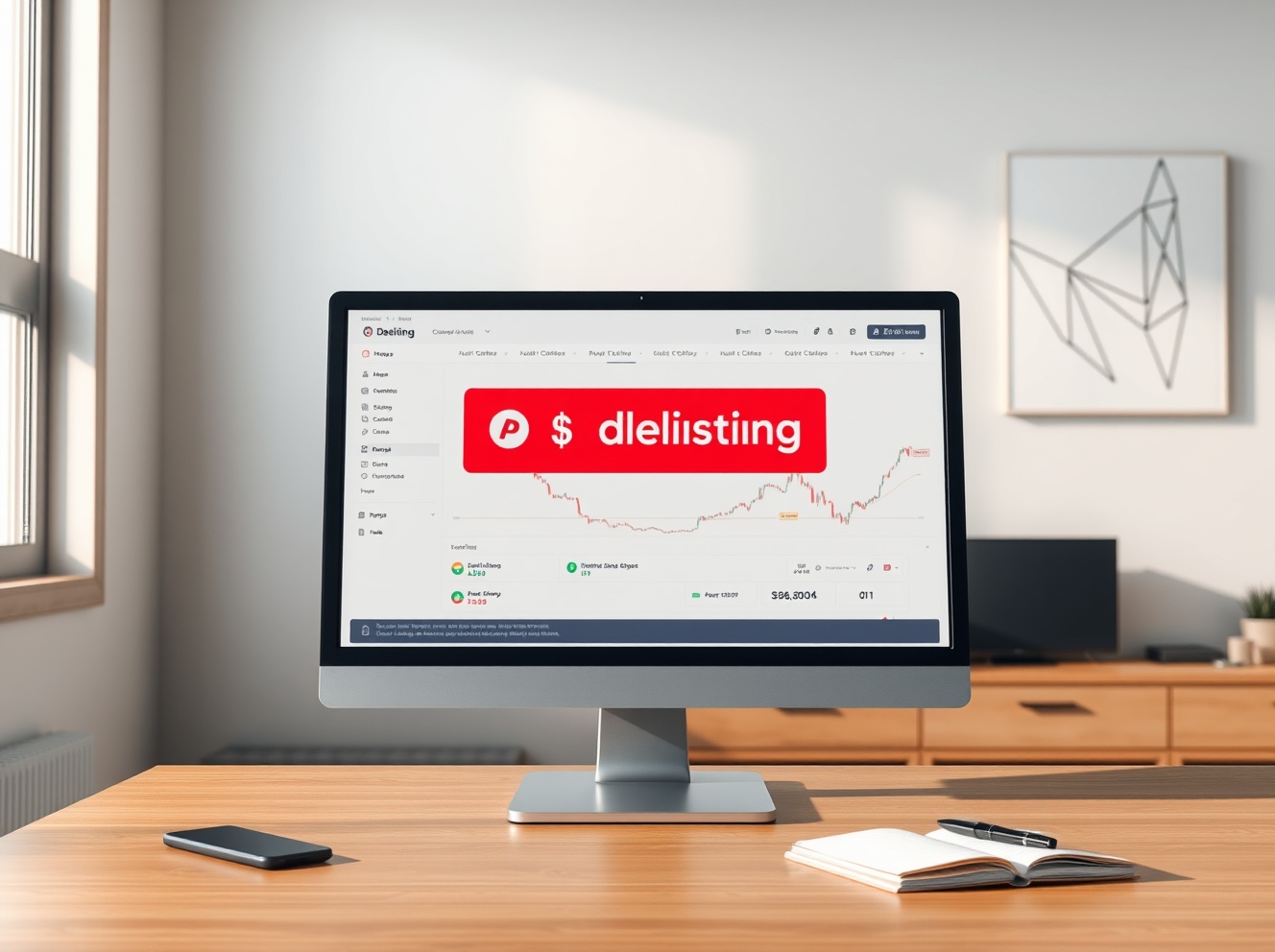
Binance Delisting Shakes Crypto Market: Eight Major Tokens Face Removal on April 1
In a significant market development, Binance, the world’s largest cryptocurrency exchange, has announced the impending delisting of eight digital assets, sending ripples through the trading community and prompting immediate analysis of the underlying causes and consequences.
Binance Delisting Announcement Details
Binance formally notified its global user base of the scheduled removal of eight cryptocurrencies from its trading platform. The exchange will delist A2Z, FORTH, HOOK, IDEX, LRC, NTRN, RDNT, and SXP. This action becomes effective at precisely 3:00 a.m. UTC on April 1. Consequently, all trading pairs for these assets will cease permanently at that time. Furthermore, the exchange will suspend deposits for these tokens several hours prior. Users must withdraw their holdings before a specified deadline to avoid asset loss. This decision follows the exchange’s routine review process for all listed digital assets. The review assesses factors like trading volume, liquidity, and project development commitment.
Understanding Cryptocurrency Delisting Procedures
Delisting represents a formal removal process executed by an exchange. It typically follows a structured timeline to protect users. First, the exchange issues a public announcement, providing clear dates. Next, trading for the asset is halted on the specified date and time. Subsequently, withdrawal windows remain open for a limited period. Finally, the asset is completely removed from the exchange’s wallet systems. Major exchanges like Binance conduct periodic reviews to maintain market quality. These reviews ensure listed projects continue to meet stringent standards. The process protects investors from projects demonstrating significant weaknesses.
Common Reasons for Exchange Delistings
Several consistent factors trigger delisting decisions across the industry. Exchanges prioritize user protection and regulatory compliance above all. Low liquidity and trading volume often signal diminished market interest. Project development stagnation indicates a team’s failure to deliver on its roadmap. Responsiveness to periodic due diligence requests is a critical compliance check. Evidence of fraudulent conduct or unethical practices leads to immediate removal. Additionally, failure to adapt to evolving regulatory standards can force an exchange’s hand. Binance’s criteria are publicly documented, emphasizing sustainable ecosystem health.
Immediate Impact on the Affected Tokens
The announcement triggered immediate market reactions for the named tokens. Trading volumes often spike due to panic selling and arbitrage activity. Price volatility increases significantly in the hours following the news. Market capitalization for these assets typically experiences a sharp, negative correction. Investors holding these tokens on Binance face a compressed timeline for action. They must decide to sell, transfer, or hold the assets elsewhere. The delisting also affects the tokens’ visibility and accessibility for retail traders. This reduction in market access can have long-term consequences for project viability.
| Token | Trading Suspension Time | Key Feature/Protocol |
|---|---|---|
| A2Z | April 1, 3:00 a.m. UTC | Utility token for a specific ecosystem |
| FORTH | April 1, 3:00 a.m. UTC | Governance token for Ampleforth |
| HOOK | April 1, 3:00 a.m. UTC | Token for Hooked Protocol |
| IDEX | April 1, 3:00 a.m. UTC | Native token of a decentralized exchange |
| LRC | April 1, 3:00 a.m. UTC | Token for Loopring, a zkRollup protocol |
| NTRN | April 1, 3:00 a.m. UTC | Neutron token for cross-chain services |
| RDNT | April 1, 3:00 a.m. UTC | Radiant Capital’s omnichain money market token |
| SXP | April 1, 3:00 a.m. UTC | Swipe token for the Swipe ecosystem |
Historical Context of Major Exchange Delistings
Binance and other top-tier exchanges have executed similar delisting rounds historically. These actions are not unprecedented but signal ongoing market maturation. For instance, previous cycles often removed tokens associated with failed projects or regulatory issues. The market generally interprets large-scale delistings as a health check for the broader ecosystem. They effectively prune weaker projects, allowing capital to flow toward more robust innovations. Analysts often review past delistings to predict future token performance patterns. Historical data shows that some delisted tokens recover on other platforms, while others fade into obscurity. This process underscores the dynamic and competitive nature of the cryptocurrency landscape.
Expert Analysis on Market Hygiene
Industry analysts frequently describe such delistings as necessary market hygiene. They argue that removing low-quality assets protects retail investors from significant risks. Moreover, it enhances the overall credibility of the exchange’s listing portfolio. Experts note that a proactive delisting policy can preempt regulatory scrutiny. It demonstrates an exchange’s commitment to self-regulation and consumer protection. Consequently, these actions can strengthen institutional confidence in the cryptocurrency market over time. The focus shifts from sheer quantity of listings to the quality and sustainability of available projects.
Practical Steps for Affected Investors
Investors holding any of the eight tokens on Binance must take specific actions promptly. First, they should log into their Binance accounts to review their holdings. Second, they must decide on a strategy before the trading suspension deadline. Key options include:
- Sell the token for another cryptocurrency or stablecoin on Binance before delisting.
- Withdraw the token to a private wallet or another supporting exchange.
- Research alternative platforms where the token may continue trading.
Ignoring the deadline risks losing access to the assets held on the exchange. Therefore, users must complete withdrawals before Binance closes the withdrawal window. The exchange typically provides a final deadline for withdrawals in a follow-up notice.
Conclusion
Binance’s decision to delist eight cryptocurrencies marks a significant event for the digital asset market. This Binance delisting underscores the exchange’s ongoing commitment to maintaining a robust and compliant trading environment. The move highlights the critical importance of project development, liquidity, and regulatory adherence in the evolving crypto landscape. Investors must remain vigilant, manage their portfolios actively, and understand that exchange listings are not permanent. The market continues to mature, with such actions serving as pivotal moments that separate sustainable innovations from transient projects.
FAQs
Q1: What happens to my tokens if I don’t withdraw them before the deadline?
If you do not withdraw the delisted tokens from your Binance wallet before the specified withdrawal closure date, you may lose access to them. The exchange typically converts inaccessible, small holdings to its own ecosystem token, but this is not guaranteed. Always withdraw promptly.
Q2: Can these tokens be traded elsewhere after the Binance delisting?
Yes, it is possible. The delisting is specific to Binance. Each token may remain listed on other centralized or decentralized exchanges. Investors should check platforms like CoinGecko or CoinMarketCap for other active trading markets for these assets.
Q3: Does a delisting mean the cryptocurrency project has failed?
Not necessarily. While delisting often indicates issues like low liquidity or development concerns, it does not automatically mean project failure. Some projects continue operating and trading on other platforms. However, a major exchange delisting is a serious negative signal.
Q4: How does Binance choose which cryptocurrencies to delist?
Binance conducts periodic reviews based on a set of published criteria. Key factors include commitment of the development team, trading volume and liquidity, network stability, responsiveness to due diligence requests, and evidence of unethical or fraudulent conduct.
Q5: Will the price of these tokens drop to zero after delisting?
The price will not automatically drop to zero. The price is determined by supply and demand on remaining markets. However, losing a major exchange like Binance typically causes a severe price drop due to reduced accessibility and negative sentiment. Some value may remain if trading continues elsewhere.
This post Binance Delisting Shakes Crypto Market: Eight Major Tokens Face Removal on April 1 first appeared on BitcoinWorld.


You May Also Like
Republicans deploy ground troops in the states to execute 'the plan'
GOP Senate hopeful under fire over ties to church rocked by child sex abuse scandal