

Unprecedented: Trump’s Bold Call for China Tariffs to End Ukraine War
BitcoinWorld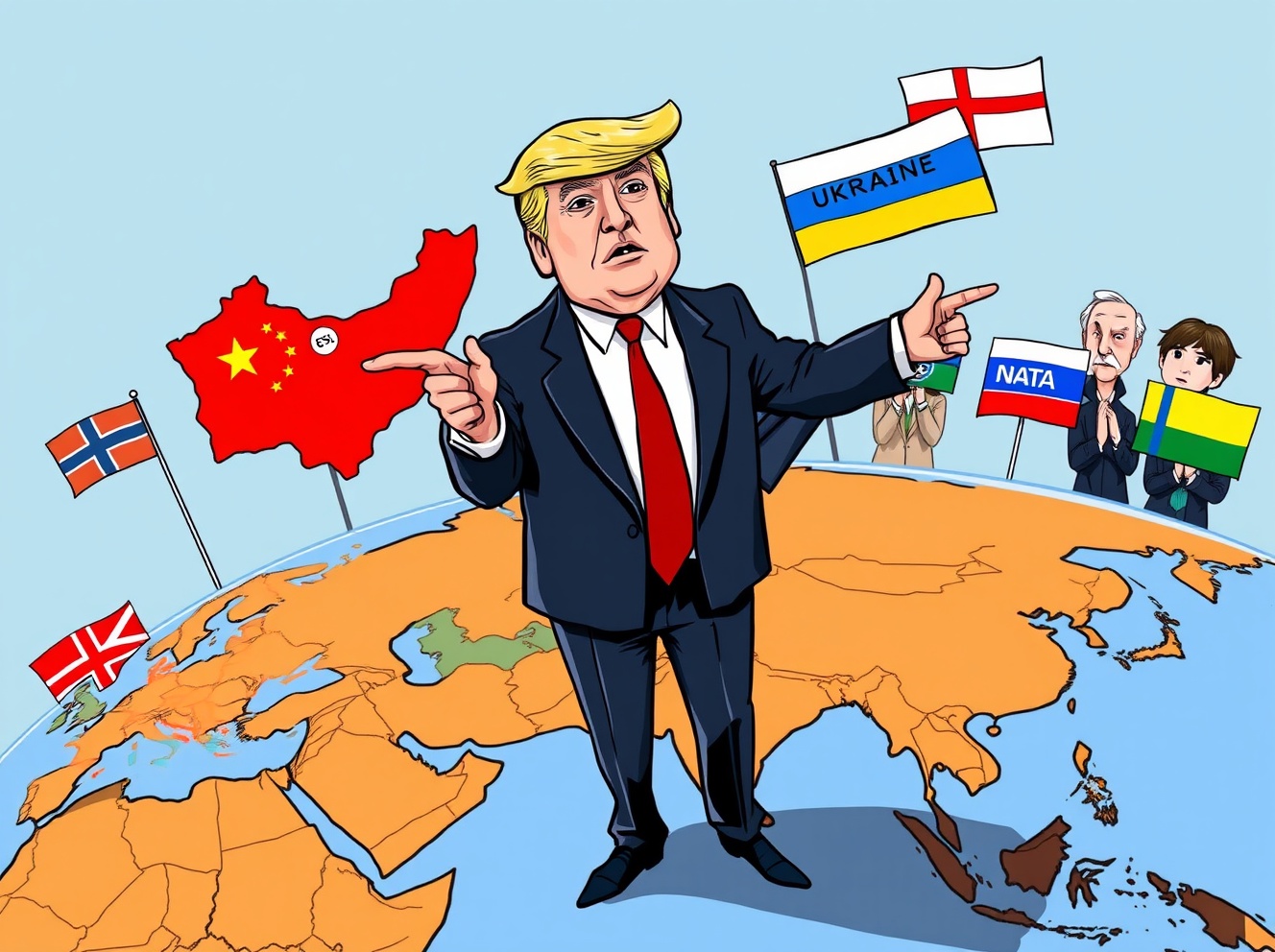
Unprecedented: Trump’s Bold Call for China Tariffs to End Ukraine War
In a move that has certainly captured global attention, former U.S. President Donald Trump has put forth a truly bold and strategic proposal aimed at bringing the Russia-Ukraine conflict to an end. He suggests that NATO should impose unprecedented Trump China tariffs, ranging from 50% to a staggering 100%, on goods imported from China. This dramatic economic measure, if implemented, would be withdrawn only once peace is restored in Ukraine, presenting a novel approach to international diplomacy and conflict resolution that challenges conventional wisdom.
What’s Behind Trump’s Call for Steep China Tariffs?
President Trump’s rationale behind this audacious proposal is deeply rooted in his belief that China possesses significant influence and leverage over Russia. He argues that by hitting China with such powerful tariffs, its economic position would be substantially weakened. This, in turn, would compel Beijing to exert its influence on Moscow to de-escalate and ultimately cease the hostilities in Ukraine. The temporary nature of these proposed tariffs is a crucial aspect; they are designed as a targeted, time-limited intervention rather than a permanent trade war, offering an off-ramp once the objective is achieved.
The suggestion highlights a specific strategic objective: to use economic pressure on a major global player to indirectly influence another. Trump’s vision implies a direct link between China’s economic well-being and its foreign policy decisions, particularly concerning its ally, Russia. Therefore, the implementation of such steep Trump China tariffs is envisioned as a powerful lever to shift geopolitical dynamics and accelerate a resolution to the ongoing war, offering a distinct alternative to current diplomatic efforts.
The Geopolitical Chessboard: Why Target China?
China’s relationship with Russia has been a subject of intense scrutiny since the full-scale invasion of Ukraine. While China has not openly condemned Russia’s actions, it has also largely avoided providing overt military support that would trigger significant Western sanctions. Trump’s proposal seeks to exploit this delicate balance, pushing China into a position where its economic ties with the West become directly conditional on its actions regarding the Ukraine war. This approach aims to force Beijing’s hand, compelling it to choose between its economic prosperity and its strategic alignment with Russia.
Moreover, the idea stems from the widespread perception that China is a critical economic partner for Russia, providing a vital lifeline amidst extensive Western sanctions. Disrupting China’s global trade through massive tariffs could, theoretically, reduce its capacity or willingness to support Russia, thereby significantly weakening Moscow’s war effort and its ability to sustain the conflict. This approach underscores a strong belief in the power of economic coercion as a potent tool in international relations, aiming to create an irresistible incentive for China to act decisively towards peace.
Potential Economic Ripple Effects of Trump China Tariffs
While the stated goal is peace, the economic implications of imposing 50-100% Trump China tariffs would be profound and far-reaching, affecting nearly every corner of the global economy. Such a move would undoubtedly trigger significant global economic disruption. Here are some key considerations:
- Global Trade Disruption: Supply chains, already fragile from recent global events like the pandemic, would face unprecedented strain. Industries heavily reliant on Chinese manufacturing for components or finished goods would be forced to scramble to find viable, often more expensive, alternatives.
- Increased Consumer Costs: Tariffs are typically paid by importing companies, but these increased costs are almost invariably passed on to consumers through higher prices for a vast array of goods. This could lead to a significant surge in inflation across NATO countries and beyond, impacting household budgets.
- Risk of Retaliation: It is highly probable that China would respond with its own retaliatory tariffs on Western goods and services. This would escalate into a full-blown trade war, harming economies worldwide and potentially stifling global economic growth.
- Economic Uncertainty: Businesses and investors thrive on predictability and stability. Such a drastic and sudden policy shift would introduce immense uncertainty into global markets, potentially deterring investment and slowing economic recovery.
Conversely, proponents of such a strategy might argue that the short-term economic pain is a necessary and justifiable price for achieving long-term peace and stability. They might contend that preventing further loss of life and widespread destruction in Ukraine outweighs the immediate economic challenges.
Can Trump China Tariffs Truly Resolve the Ukraine Conflict?
The effectiveness of such a tariff regime in resolving the Ukraine conflict is a subject of intense debate among economists, geopolitical strategists, and policymakers alike. While the theory suggests that powerful economic pressure could indeed sway China, the intricate reality of international relations is often far more complex and unpredictable. China’s own deeply entrenched strategic interests, its long-standing relationship with Russia, and its overarching desire to project global power would all play a significant role in determining its response.
Furthermore, the decision to impose such sweeping tariffs would require extraordinary unity and unwavering resolve among NATO members. Many of these nations maintain strong and crucial economic ties with China, making consensus on a measure of this magnitude a considerable diplomatic challenge. While the proposal is certainly bold and offers a unique perspective on leveraging economic power for peace, its practical implementation and ultimate success in ending the war remain highly speculative and contingent on numerous factors.
A Strategic Gambit or an Economic Minefield?
Donald Trump’s suggestion of imposing massive Trump China tariffs to end the Ukraine war is an audacious concept that forces a critical reconsideration of traditional diplomatic and economic tools. It’s a proposal that, if enacted, would undoubtedly send shockwaves through the global economy and dramatically reshape geopolitical alliances and trade relationships. While the stated intent is to bring about a swift end to a devastating conflict, the path is undeniably fraught with potential economic pitfalls, complex diplomatic hurdles, and the risk of unintended consequences. The debate continues vigorously on whether such an unprecedented economic lever could truly achieve its desired outcome or if it risks creating new, unforeseen challenges and instabilities on the world stage.
Frequently Asked Questions (FAQs)
- What exactly are Trump’s proposed tariffs on China?
Former President Trump suggested that NATO should impose tariffs ranging from 50% to 100% on goods imported from China. He stated these tariffs would be temporary, lasting only until the Russia-Ukraine war concludes. - Why does Trump believe these tariffs would help end the Ukraine war?
Trump argues that China holds significant influence over Russia. By imposing steep tariffs, he believes China’s economic position would be weakened, compelling it to exert pressure on Russia to end the conflict in Ukraine. - What are the potential economic consequences of such high tariffs?
Imposing 50-100% tariffs on China could lead to severe global trade disruption, increased consumer costs and inflation in NATO countries, and a high risk of retaliatory tariffs from China, potentially escalating into a global trade war. - Would NATO likely agree to implement these Trump China tariffs?
Implementing such extensive tariffs would require significant unity and diplomatic consensus among NATO members, many of whom have strong economic ties with China. The proposal faces considerable challenges in gaining widespread approval and implementation. - Has a similar economic strategy been used effectively in the past?
While economic sanctions and tariffs are common tools in international relations, a proposal of this magnitude, specifically targeting a major global economy like China to indirectly influence another conflict, is largely unprecedented in modern history. Its effectiveness remains highly speculative.
What are your thoughts on this audacious proposal? Share your insights and join the conversation! If you found this analysis insightful, please consider sharing this article on your social media channels to inform others about the potential impact of these significant geopolitical and economic discussions.
To learn more about the latest geopolitical trends, explore our article on key developments shaping global economic policies and international relations.
This post Unprecedented: Trump’s Bold Call for China Tariffs to End Ukraine War first appeared on BitcoinWorld.


You May Also Like

The List of the Most Popular Altcoins Among Users Over the Past Week Has Been Revealed – Here Are the Top 10

Bhutan offloads $40 mln Bitcoin in a week, trims BTC holdings 70% since 2024




