

Bithumb Suspends 0G Transactions: Critical Network Issues Halt ZeroG Deposits and Withdrawals
BitcoinWorld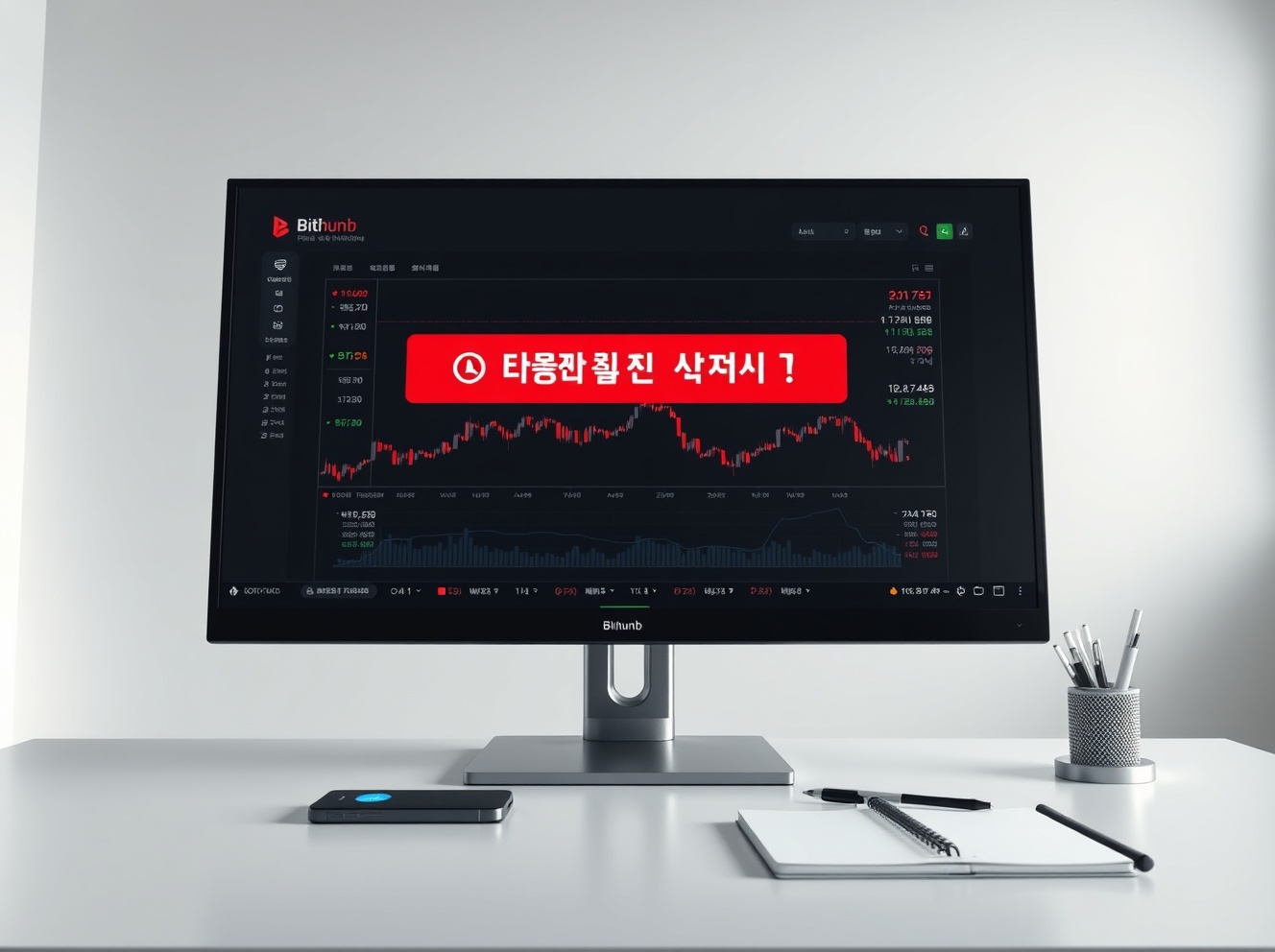
Bithumb Suspends 0G Transactions: Critical Network Issues Halt ZeroG Deposits and Withdrawals
SEOUL, South Korea – March 15, 2025 – Leading South Korean cryptocurrency exchange Bithumb has implemented an immediate suspension of all deposit and withdrawal services for ZeroG (0G), citing significant network instability. This sudden Bithumb 0G suspension affects thousands of traders and highlights ongoing infrastructure challenges within the blockchain ecosystem. The exchange announced the temporary halt through official channels, emphasizing user protection as their primary concern during this technical disruption.
Bithumb Announces Immediate 0G Transaction Halt
Bithumb, one of South Korea’s largest digital asset platforms, made the formal announcement early Friday morning local time. The exchange specifically referenced “network issues” affecting the ZeroG blockchain as the reason for the suspension. Consequently, users cannot move 0G tokens onto or off the Bithumb trading platform at this time. However, the exchange confirmed that spot trading of 0G against Korean Won and other cryptocurrencies continues uninterrupted within the exchange’s internal ledger system.
This decision follows established security protocols for digital asset exchanges. Moreover, it mirrors actions taken by other global platforms during blockchain network instability. The temporary suspension aims to prevent potential loss of user funds during transaction validation problems. Bithumb’s technical team is actively monitoring the ZeroG network status. They will restore services only after confirming complete network stability and security.
Understanding ZeroG Network Infrastructure
ZeroG represents a layer-1 blockchain focusing on modular data availability. The network employs a unique architecture separating execution from consensus. This design theoretically enhances scalability and reduces transaction costs. However, like many emerging blockchain protocols, ZeroG faces occasional technical growing pains. Network issues can manifest as slow block production, validation errors, or temporary forks.
These technical challenges directly impact exchange operations. Exchanges like Bithumb require consistent block confirmation to process withdrawals securely. Similarly, deposits need reliable network communication to credit user accounts accurately. When network consensus becomes unstable, exchanges risk processing invalid transactions or experiencing double-spend scenarios. Therefore, responsible exchanges implement precautionary suspensions to protect customer assets.
Historical Context of Exchange Suspensions
Temporary transaction halts represent a standard industry response to technical issues. Major global exchanges including Binance, Coinbase, and Kraken have implemented similar measures throughout cryptocurrency history. For instance, Ethereum network upgrades frequently prompt temporary deposit and withdrawal pauses. Additionally, Solana network outages in previous years caused multiple exchange service suspensions.
The following table illustrates recent comparable incidents:
| Exchange | Asset | Date | Reason |
|---|---|---|---|
| Coinbase | Solana (SOL) | 2024 | Network Congestion |
| Binance | Avalanche (AVAX) | 2023 | Wallet Maintenance |
| Kraken | Polygon (MATIC) | 2024 | Protocol Upgrade |
These precedents demonstrate that Bithumb’s action follows established industry safety practices. Furthermore, transparent communication about such suspensions builds user trust over time.
Immediate Impact on 0G Traders and Investors
The suspension creates immediate practical consequences for ZeroG market participants. Traders relying on arbitrage opportunities between different exchanges face temporary limitations. Similarly, investors planning to move 0G to private wallets for long-term storage must wait. However, the continued availability of spot trading provides some market functionality. Traders can still execute buy and sell orders using existing exchange balances.
Market data shows minimal immediate price impact following the announcement. The 0G price maintained relative stability against both Korean Won and Bitcoin pairs. This stability suggests market participants view the suspension as a temporary technical measure rather than a fundamental problem. Nevertheless, prolonged suspension could eventually affect market liquidity and investor confidence. Bithumb historically resolves such issues within 24 to 48 hours based on past incidents with other assets.
Technical Response and Communication Protocol
Bithumb operates a dedicated network monitoring team working around the clock. This team maintains direct communication with blockchain development teams like ZeroG’s engineers. Their collaboration aims to diagnose root causes and implement solutions rapidly. The exchange provides regular updates through multiple channels including:
- Official website announcements
- Mobile application notifications
- Social media updates (X/Twitter)
- Email alerts to affected users
This multi-channel approach ensures users receive timely information. Additionally, Bithumb’s customer support team expands during such incidents to handle increased inquiries. The exchange recommends users monitor official channels for restoration announcements rather than relying on unofficial sources.
Broader Implications for Cryptocurrency Ecosystem
This incident highlights the ongoing maturation process within blockchain infrastructure. As new protocols like ZeroG gain adoption, they inevitably encounter technical stress tests. Exchange responses to these challenges demonstrate improving industry risk management. Moreover, regulatory bodies in South Korea closely monitor such incidents. The Financial Services Commission (FSC) requires exchanges to maintain robust contingency plans for technical disruptions.
The Korean cryptocurrency market represents a significant portion of global trading volume. Therefore, actions by major Korean exchanges influence international market perceptions. Professional traders typically factor potential technical suspensions into their risk models. They often maintain positions across multiple exchanges and blockchain networks to mitigate single-point failure risks. This diversification strategy becomes increasingly important as the digital asset ecosystem expands.
Conclusion
Bithumb’s temporary suspension of 0G deposits and withdrawals represents a prudent response to network instability. The exchange prioritizes user asset protection while maintaining transparent communication. This Bithumb 0G suspension follows established industry practices for managing blockchain technical issues. Market participants should monitor official channels for service restoration updates. The incident underscores the importance of robust infrastructure as cryptocurrency adoption continues expanding globally.
FAQs
Q1: How long will Bithumb suspend 0G deposits and withdrawals?
Bithumb has not provided a specific timeline but indicates the suspension continues until network stability returns. Historical precedents suggest resolution within 24-48 hours for similar technical issues.
Q2: Can I still trade 0G on Bithumb during the suspension?
Yes, spot trading of 0G continues normally on the exchange. Only deposits to and withdrawals from the Bithumb platform are temporarily suspended due to the network issues.
Q3: Are my existing 0G tokens safe on Bithumb during this suspension?
Bithumb confirms user assets remain secure in exchange wallets. The suspension prevents movement on and off the platform but does not affect stored token security.
Q4: What should I do if I had a pending 0G transaction when suspension began?
Pending transactions typically complete automatically once services resume. Users should check their transaction history after restoration for confirmation. Contact customer support if issues persist.
Q5: How does this suspension affect 0G prices on other exchanges?
Minor price discrepancies might occur temporarily due to reduced arbitrage. However, major global exchanges typically show correlated pricing despite individual platform issues.
This post Bithumb Suspends 0G Transactions: Critical Network Issues Halt ZeroG Deposits and Withdrawals first appeared on BitcoinWorld.


You May Also Like

Policy at Consensus Miami: State of Crypto

Vitalik Buterin Proposes Self-Sovereign AI Stack To Protect Users From Risks Of AI Agents




