

Iran Denies Talks with US: Explosive Tensions Follow Trump’s Remarks
BitcoinWorld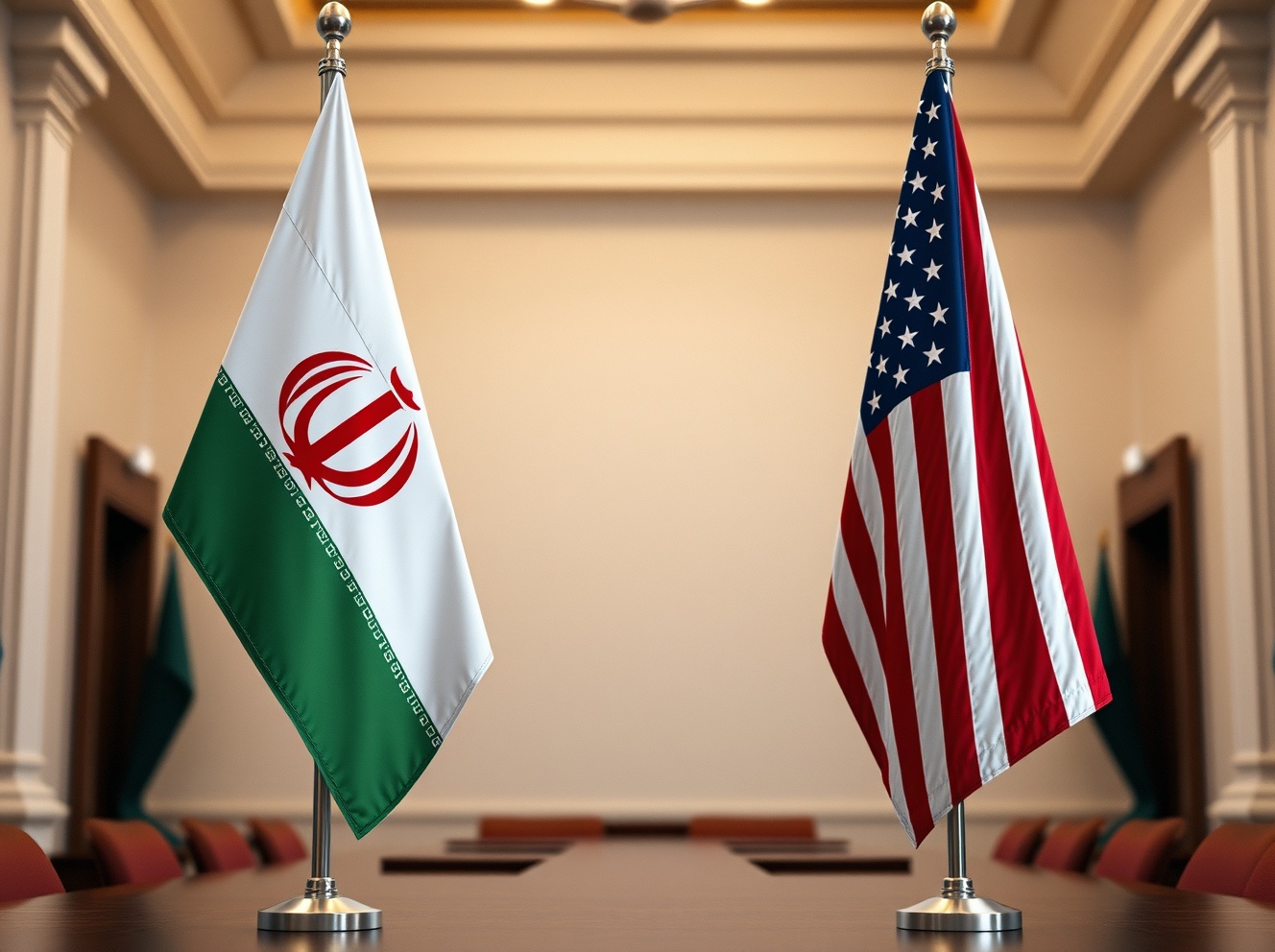
Iran Denies Talks with US: Explosive Tensions Follow Trump’s Remarks
TEHRAN, Iran – March 15, 2025: Iranian officials have issued a firm denial regarding any diplomatic engagement with the United States. This statement directly follows recent public remarks by former President Donald Trump. Consequently, the geopolitical landscape of the Middle East faces renewed uncertainty. This development highlights the persistent and complex nature of US-Iran relations.
Iran Denies US Talks Following Trump’s Comments
The Iranian Foreign Ministry spokesperson, Nasser Kanaani, addressed reporters in Tehran. He explicitly stated that no negotiations or backchannel discussions with American officials are currently underway. Furthermore, Kanaani emphasized that Iran’s policy toward the United States remains unchanged. This policy is based on mutual respect and the lifting of all unjust sanctions. The spokesperson’s comments were a direct response to questions about Trump’s statements. Previously, Trump suggested during a campaign rally that his administration could quickly “resolve” issues with Iran.
Historical context is crucial for understanding this denial. Relations between the two nations have been hostile for decades. Key events include the 1979 Islamic Revolution and the subsequent hostage crisis. The 2015 Joint Comprehensive Plan of Action (JCPOA), or Iran nuclear deal, provided a brief period of diplomacy. However, the US withdrawal from the deal in 2018 under President Trump severely damaged relations. Since then, interactions have been marked by sanctions, proxy conflicts, and heightened rhetoric.
Analyzing the Impact on Regional Stability
This denial carries significant weight for regional security dynamics. Firstly, it signals a continuation of the diplomatic stalemate. Secondly, it may influence ongoing negotiations concerning Iran’s nuclear program. European powers and other signatories to the JCPOA have been attempting to revive the agreement. A clear refusal to engage with the US complicates these multilateral efforts. Regional actors are watching closely. For instance, Israel and Gulf Arab states have vested interests in US policy toward Iran.
The following table outlines recent key events in US-Iran relations:
| Date | Event | Immediate Consequence |
| May 2018 | US withdraws from JCPOA | Re-imposition of severe sanctions on Iran |
| January 2020 | Qasem Soleimani assassination | Major escalation; Iranian missile strikes on US bases |
| 2021-2024 | Indirect Vienna talks | On-again, off-again negotiations to restore JCPOA |
| March 2025 | Iran denies talks post-Trump remarks | Reaffirmation of diplomatic deadlock |
Moreover, economic factors are deeply intertwined with this political stance. Iran’s economy continues to struggle under the weight of US sanctions. These sanctions target key sectors like oil, banking, and shipping. Therefore, the denial of talks suggests a strategic calculation. Iranian leadership may believe that engaging under current conditions offers no tangible benefits. Alternatively, internal political pressures could preclude any overture to Washington.
Expert Perspectives on Diplomatic Deadlock
Foreign policy analysts provide critical insights into this situation. Dr. Anahita Mohseni, a senior fellow at the Middle East Institute, notes the domestic political context in both countries. “In an election year in the US, Iran is often used as a political football,” Mohseni explains. “Similarly, hardline factions within Iran view any concession to America as a sign of weakness.” This dual dynamic creates a powerful barrier to dialogue.
Additionally, regional security experts point to military posturing. The US maintains a significant force presence in the Middle East. Concurrently, Iran continues to advance its ballistic missile and drone capabilities. Incidents in the Persian Gulf and Red Sea underscore the risk of miscalculation. Without diplomatic channels, the potential for an unintended clash increases. Therefore, the denial of talks is not merely a political statement. It is a factor that elevates regional security risks.
The Role of Historical Grievances and Future Pathways
Distrust between Washington and Tehran is deeply rooted. Decades of confrontation have created a durable narrative of enmity on both sides. For Iranian leaders, the US is an unreliable partner that reneges on agreements. For many American policymakers, Iran represents a state sponsor of terrorism and a regional destabilizer. Overcoming these entrenched perceptions requires more than just willingness to talk. It requires a fundamental shift in strategic calculus.
Potential pathways forward, though narrow, do exist. They include:
- Confidence-Building Measures (CBMs): Small, reciprocal steps to reduce tensions, such as prisoner swaps or humanitarian trade waivers.
- Multilateral Frameworks: Using forums like the UN or involving major powers (China, Russia, EU) to mediate discussions.
- Regional Dialogue: Encouraging direct talks between Iran and its Gulf neighbors, which could indirectly improve the climate for US engagement.
- Quiet Diplomacy: Despite public denials, backchannel communications often persist through third parties or in neutral locations.
However, the immediate future appears focused on management rather than resolution. Both nations seem prepared to contain the rivalry within certain boundaries. The goal is to avoid a direct military conflict. Nevertheless, the persistent lack of official dialogue makes this containment strategy fragile. Every incident, from naval encounters to proxy attacks, tests its limits.
Conclusion
Iran’s denial of talks with the United States underscores a prolonged diplomatic impasse. This stance, following Trump’s remarks, reinforces the deep-seated tensions defining the bilateral relationship. The implications extend far beyond mere rhetoric. They affect nuclear non-proliferation efforts, regional security architectures, and global energy markets. Moving forward, the absence of direct communication channels remains a significant risk factor. Ultimately, the path to de-escalation will require pragmatic steps that address core security concerns for both Iran and the US. Until then, the region braces for continued volatility.
FAQs
Q1: What exactly did Iran deny?
Iranian Foreign Ministry spokesperson Nasser Kanaani denied that any negotiations or diplomatic talks are currently taking place between Iranian and American officials. This was a response to remarks made by former US President Donald Trump.
Q2: Why is this denial significant?
The denial is significant because it highlights the ongoing diplomatic deadlock between the two nations. It complicates international efforts to address regional security issues and Iran’s nuclear program. Furthermore, it increases the risk of miscalculation or escalation in a tense region.
Q3: What was the context of Trump’s remarks?
Former President Trump made comments during a political rally suggesting he could swiftly resolve issues with Iran if he were in power. These remarks implied a potential for engagement or a different approach, which prompted questions to Iranian officials about possible talks.
Q4: How does this affect the Iran nuclear deal (JCPOA)?
Iran’s refusal to engage directly with the US creates a major obstacle for reviving the 2015 nuclear deal. While talks can proceed indirectly through European mediators, the lack of US-Iran dialogue makes a comprehensive agreement much more difficult to achieve and implement.
Q5: What are the main obstacles to US-Iran diplomacy?
The main obstacles include deep mutual distrust, US sanctions on Iran, Iran’s regional activities and missile program, domestic political opposition in both countries, and differing views on what constitutes a acceptable deal. Historical grievances from events like the 1979 hostage crisis also cast a long shadow.
This post Iran Denies Talks with US: Explosive Tensions Follow Trump’s Remarks first appeared on BitcoinWorld.


You May Also Like

The changing face of elder care in Malaysia — Sayed Mohammad Reza Yamani Sayed Umar

Covéa Chooses Shift Technology as Strategic Partner for Fraud and Risk Management

Not a loophole: Singapore AI export controls let China tap US AI legally



