ECB Rate Hike Alert: Lagarde Warns of April Action as Iran War Inflation Spiral Intensifies
BitcoinWorld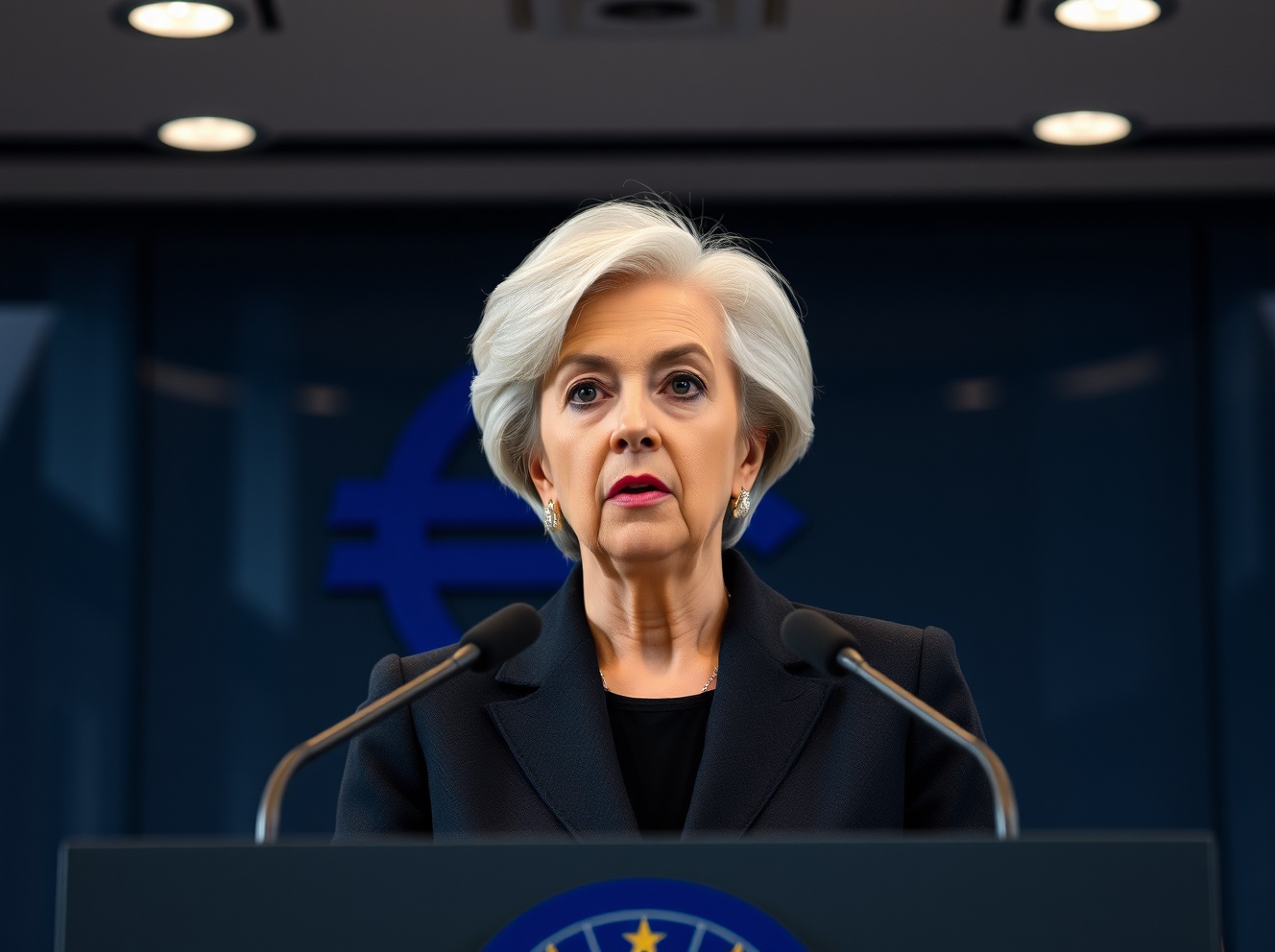
ECB Rate Hike Alert: Lagarde Warns of April Action as Iran War Inflation Spiral Intensifies
FRANKFURT, Germany – European Central Bank President Christine Lagarde has delivered a stark warning about potential monetary policy tightening, explicitly stating that interest rates could rise as early as April 2025 if inflationary pressures from the ongoing conflict in Iran escalate uncontrollably. During a high-profile conference address, Lagarde emphasized the ECB’s readiness to adjust rates “at any time, if necessary,” marking a significant shift in the central bank’s communication strategy amid growing economic uncertainty.
ECB Rate Hike Timeline Accelerates Amid Geopolitical Crisis
The European Central Bank now faces mounting pressure to address inflation concerns directly. Consequently, policymakers must balance economic growth against price stability. Traditionally, the ECB maintains a cautious approach to rate adjustments. However, recent developments have accelerated their timeline dramatically. Specifically, the conflict in Iran has disrupted global energy markets substantially. Furthermore, supply chain vulnerabilities have resurfaced across Europe.
Market analysts immediately reacted to Lagarde’s comments. Indeed, government bond yields climbed across European markets. Simultaneously, the euro strengthened against major currencies. Financial institutions now anticipate more aggressive monetary policy moves. Previously, most forecasts suggested rate changes would occur in late 2025. Now, April has emerged as a plausible starting point for tightening.
Inflation Shock Analysis from Middle East Conflict
The Iran conflict has created multiple inflationary channels affecting European economies. First, energy prices have surged unpredictably. Second, transportation costs have increased significantly. Third, commodity markets face renewed volatility. Historical data reveals concerning patterns. For instance, previous Middle East conflicts typically boosted European inflation by 1-2 percentage points. Currently, preliminary estimates suggest this crisis could exert even greater pressure.
European inflation metrics demonstrate worrying trends. The Harmonized Index of Consumer Prices (HICP) exceeded expectations last month. Core inflation, excluding volatile components, remains stubbornly elevated. Energy inflation has reached double-digit percentages in several member states. Food price increases continue to burden household budgets disproportionately.
Expert Perspectives on Monetary Policy Response
Leading economists emphasize the ECB’s delicate balancing act. Dr. Matthias Schmidt, Chief European Economist at Global Financial Analysis, explains the institutional considerations. “The ECB must prevent inflationary expectations from becoming entrenched,” Schmidt notes. “However, premature tightening could stifle fragile economic recovery.”
Comparative analysis with other central banks reveals divergent approaches. The Federal Reserve has maintained higher interest rates throughout 2024. The Bank of England implemented gradual increases earlier this year. Meanwhile, the ECB has pursued a more accommodative stance until recently. This policy divergence creates exchange rate implications that complicate decision-making.
Economic Impact Assessment Across Eurozone
Potential rate increases would affect European economies unevenly. Southern member states generally carry higher debt burdens. Therefore, they face greater refinancing challenges. Northern economies exhibit stronger fiscal positions. Consequently, they can better absorb monetary tightening.
Key economic indicators require monitoring closely:
- Business Investment: Higher rates typically reduce corporate borrowing
- Consumer Spending: Mortgage and loan costs would increase for households
- Government Financing: Sovereign debt servicing becomes more expensive
- Exchange Rates: Euro appreciation could hurt export competitiveness
The European Commission’s latest economic forecast provides context. Growth projections for 2025 have been revised downward slightly. Inflation expectations have been adjusted upward correspondingly. Unemployment rates remain near historical lows across most member states. Wage growth continues to outpace productivity increases in several sectors.
Historical Precedents for Crisis Response
The ECB possesses substantial experience managing geopolitical shocks. The 2014 Crimea crisis prompted emergency liquidity measures. The 2020 pandemic necessitated unprecedented bond-buying programs. The 2022 energy crisis following Russia’s invasion of Ukraine required innovative policy tools. Each situation demanded tailored responses balancing multiple objectives.
Current circumstances present unique challenges though. Energy diversification efforts since 2022 have reduced dependence on Russian supplies. However, Middle Eastern instability affects global markets universally. Strategic petroleum reserves provide limited buffer capacity. Alternative energy sources cannot compensate immediately for supply disruptions.
Market Expectations and Forward Guidance
Financial markets have priced in increased probability of April action. Interest rate futures indicate approximately 40% likelihood of a 25-basis-point increase. This probability stood below 15% just one month ago. Market participants scrutinize every ECB communication for subtle shifts.
Forward guidance remains crucial for stability. The ECB typically provides clear signals before policy changes. Lagarde’s explicit mention of April represents unusually specific timing. This communication style aims to prepare markets gradually. Sudden, unexpected moves could trigger unnecessary volatility.
Policy Tool Considerations Beyond Rate Changes
The European Central Bank maintains multiple instruments beyond interest rates. Quantitative tightening continues reducing the balance sheet gradually. Pandemic Emergency Purchase Programme (PEPP) reinvestments will conclude soon. Targeted longer-term refinancing operations (TLTROs) mature throughout 2025.
Potential sequencing of policy normalization involves careful planning. Most analysts expect rate adjustments before balance sheet reduction accelerates. This approach mirrors strategies employed by other major central banks. The ECB must avoid creating conflicting signals through simultaneous tightening measures.
Conclusion
Christine Lagarde’s explicit warning about a potential ECB rate hike in April 2025 marks a pivotal moment in European monetary policy. The inflationary shock emanating from the Iran conflict has forced policymakers to reconsider their cautious stance. While the final decision depends on evolving economic data, markets must prepare for possible tightening sooner than previously anticipated. The ECB faces the complex challenge of containing inflation without derailing economic recovery, requiring precise calibration of all available policy tools in the coming months.
FAQs
Q1: What specifically triggered the ECB’s consideration of an April rate hike?
The primary trigger is escalating inflationary pressure from the Iran conflict, particularly through energy market disruptions and supply chain impacts that threaten to push European inflation beyond manageable levels.
Q2: How would an ECB rate hike affect ordinary European citizens?
Higher interest rates would increase borrowing costs for mortgages, car loans, and credit cards while potentially offering better returns on savings accounts, though the net effect typically reduces disposable income for most households.
Q3: What economic indicators will the ECB monitor before making a final decision?
Key indicators include core inflation trends, wage growth data, energy price developments, inflation expectations surveys, GDP growth figures, and labor market conditions across eurozone member states.
Q4: How does this potential ECB action compare to other central banks’ policies?
The ECB has lagged behind the Federal Reserve and Bank of England in tightening cycles, making this potential move a catching-up exercise, though the specific timing remains dependent on European rather than global conditions.
Q5: Could the ECB reverse course if the economic situation improves unexpectedly?
Yes, central banks maintain data-dependent approaches, meaning improved inflation outlook or economic deterioration could prompt postponement or cancellation of planned rate increases despite current guidance.
This post ECB Rate Hike Alert: Lagarde Warns of April Action as Iran War Inflation Spiral Intensifies first appeared on BitcoinWorld.


You May Also Like

Shiba Inu Breaks $0.0000066 as Net Long Positions Jump

Why Businesses Need Professional Machine Design and Development Services