

Asia FX Plummets: Iran Conflict Triggers March Losses as Dollar Surges for Monthly Gain
BitcoinWorld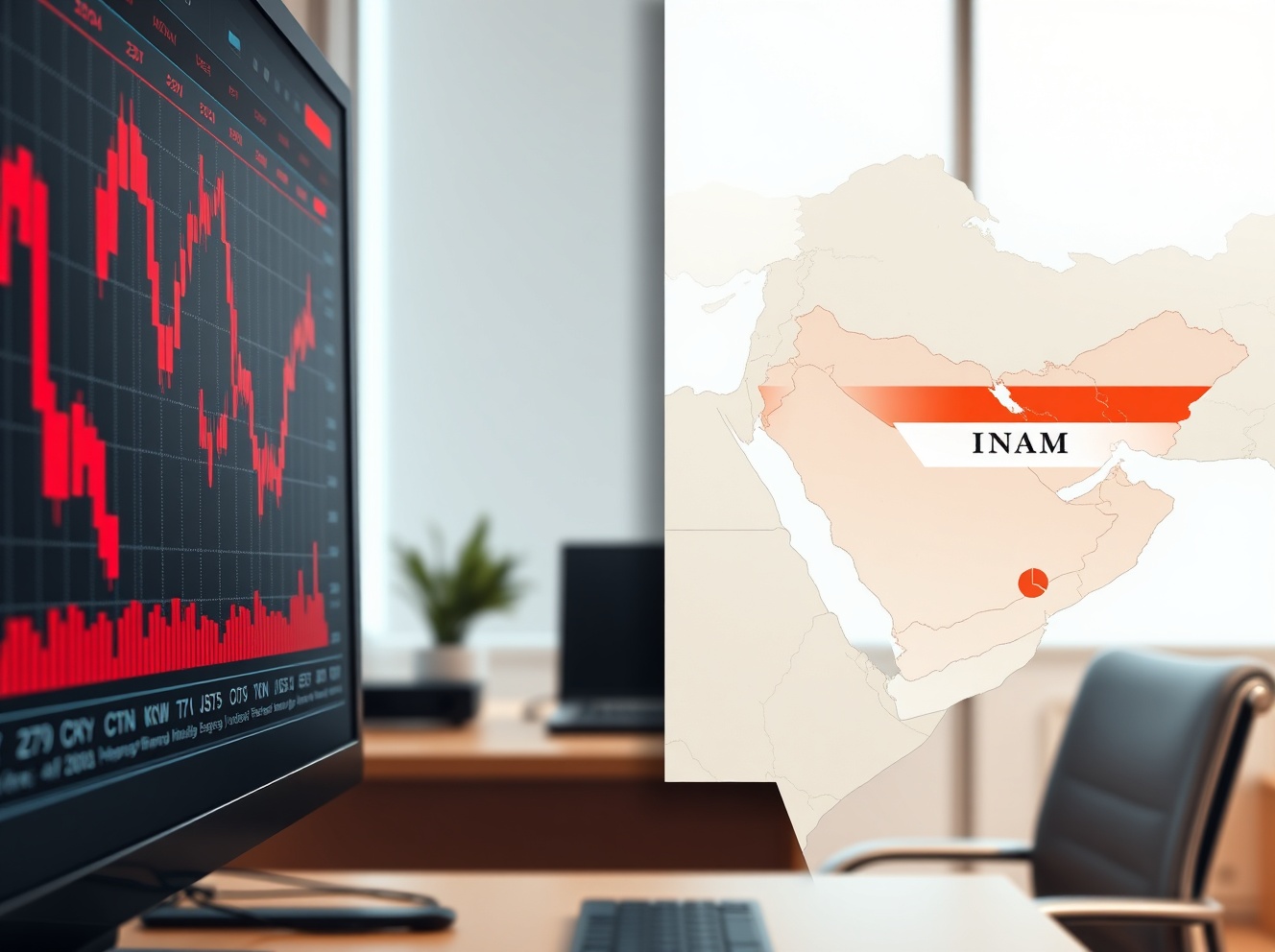
Asia FX Plummets: Iran Conflict Triggers March Losses as Dollar Surges for Monthly Gain
Asian foreign exchange markets experienced significant pressure throughout March 2025, with regional currencies posting monthly losses as geopolitical tensions surrounding Iran intensified. Meanwhile, the US dollar strengthened substantially, heading for its strongest monthly gain this year. Financial analysts attribute this divergence to safe-haven flows and shifting risk perceptions among global investors.
Asia FX Faces March Losses Amid Geopolitical Uncertainty
Throughout March 2025, Asian currencies demonstrated notable weakness against major counterparts. The Japanese yen declined by approximately 2.3% against the US dollar during the month, while the Chinese yuan experienced a 1.8% depreciation. Similarly, the South Korean won fell by 2.1%, and the Indian rupee weakened by 1.5%. These movements represent the most significant monthly declines for Asian currencies since October 2024.
Market participants consistently cited escalating tensions in the Middle East as the primary driver of these currency movements. Consequently, investors reduced exposure to emerging market assets, including Asian currencies. This risk-off sentiment particularly affected currencies with higher sensitivity to global trade flows and energy prices.
Regional Currency Performance Analysis
The following table illustrates the performance of major Asian currencies against the US dollar during March 2025:
| Currency | March Change (%) | Year-to-Date Performance (%) |
|---|---|---|
| Japanese Yen (JPY) | -2.3 | -4.1 |
| Chinese Yuan (CNY) | -1.8 | -2.7 |
| South Korean Won (KRW) | -2.1 | -3.4 |
| Indian Rupee (INR) | -1.5 | -2.2 |
| Singapore Dollar (SGD) | -1.2 | -1.8 |
Iran Conflict Escalation Drives Market Volatility
Geopolitical developments in the Middle East significantly influenced global financial markets throughout March. Specifically, escalating tensions involving Iran created substantial uncertainty for energy markets and global trade routes. Regional central banks responded cautiously to these developments, with most maintaining existing monetary policy stances.
The conflict’s impact extended beyond direct participants, affecting global supply chains and energy security considerations. Additionally, shipping routes through critical waterways experienced disruptions, increasing transportation costs for Asian exporters. These factors collectively contributed to:
- Higher risk premiums for emerging market assets
- Increased volatility in currency markets
- Capital outflows from Asian financial markets
- Reduced investor appetite for regional currencies
Historical Context of Geopolitical Market Impacts
Financial markets have historically demonstrated sensitivity to Middle Eastern tensions. For instance, during previous periods of regional conflict, Asian currencies typically experienced pressure during initial escalation phases. However, markets often stabilized as conflicts became contained or resolution pathways emerged. Current market reactions appear consistent with these historical patterns, though the specific dynamics reflect 2025’s unique economic backdrop.
US Dollar Strengthens for Monthly Gain
The US dollar index (DXY) rose approximately 2.7% during March 2025, marking its strongest monthly performance since November 2024. This dollar strength resulted from multiple converging factors beyond safe-haven flows alone. Federal Reserve policy expectations contributed significantly, with markets pricing in a more hawkish stance relative to other major central banks.
Furthermore, US economic data released throughout March generally exceeded expectations, supporting the case for sustained dollar strength. Notably, inflation metrics remained above target levels, while employment indicators demonstrated continued resilience. Consequently, interest rate differentials between the US and other economies widened, enhancing the dollar’s relative attractiveness.
Dollar Strength Components and Drivers
The dollar’s March gains derived from several interconnected factors:
- Safe-haven demand: Geopolitical uncertainty drove capital toward perceived safety
- Interest rate differentials: US yields remained attractive relative to other developed markets
- Economic resilience: US economic indicators outperformed many counterparts
- Technical factors: Breakthrough key resistance levels triggered additional buying
Central Bank Responses and Policy Implications
Asian central banks monitored currency developments closely throughout March. Several institutions implemented measured interventions to smooth excessive volatility, though most avoided aggressive defense of specific exchange rate levels. Policy makers balanced currency stability concerns against inflation management objectives and growth considerations.
The People’s Bank of China maintained its reference rate within established bands, while allowing moderate yuan depreciation. Similarly, the Bank of Japan continued its existing monetary policy framework, despite yen weakness. Regional central banks generally prioritized domestic economic stability over currency defense, recognizing the powerful global forces driving market movements.
Expert Analysis on Policy Coordination
Financial institutions including the International Monetary Fund and regional development banks emphasized the importance of policy coordination during periods of geopolitical stress. According to recent analyses, uncoordinated responses could exacerbate market volatility and potentially trigger competitive devaluations. However, most experts observed that current central bank actions appeared appropriately calibrated to prevailing conditions.
Market Outlook and Future Scenarios
Financial analysts project continued currency market sensitivity to geopolitical developments in the coming months. The trajectory of Middle Eastern tensions will likely remain a primary driver of risk sentiment and capital flows. Additionally, divergent monetary policy paths between the Federal Reserve and other central banks may sustain dollar strength.
Potential scenarios for Asian currencies include:
- Stabilization phase: If geopolitical tensions de-escalate, Asian currencies may recover partially
- Continued pressure: Further conflict escalation could extend currency weakness
- Diverging paths: Individual currencies may respond differently based on domestic factors
- Policy response: Central banks might adjust strategies if volatility persists
Conclusion
Asian foreign exchange markets experienced significant pressure during March 2025, with regional currencies posting monthly losses amid escalating Iran conflict tensions. The US dollar conversely strengthened substantially, heading for its strongest monthly gain this year. These developments reflect complex interactions between geopolitical risk, monetary policy divergence, and shifting investor sentiment. Market participants will continue monitoring Middle Eastern developments closely, as these will likely influence currency trajectories in the coming months. The Asia FX landscape remains sensitive to both external shocks and domestic policy responses, creating a dynamic environment for currency investors and policymakers alike.
FAQs
Q1: Why did Asian currencies decline in March 2025?
Asian currencies faced pressure primarily due to escalating geopolitical tensions involving Iran, which triggered risk-off sentiment among global investors. This led to capital outflows from emerging market assets, including Asian currencies.
Q2: How much did the US dollar gain during March?
The US dollar index (DXY) rose approximately 2.7% during March 2025, marking its strongest monthly performance since November 2024.
Q3: Which Asian currency experienced the largest decline?
The Japanese yen and South Korean won experienced the most significant declines among major Asian currencies, depreciating approximately 2.3% and 2.1% respectively against the US dollar during March.
Q4: How did central banks respond to currency movements?
Asian central banks generally implemented measured interventions to smooth excessive volatility but avoided aggressive defense of specific exchange rate levels, prioritizing domestic economic stability.
Q5: What factors could reverse Asian currency weakness?
De-escalation of geopolitical tensions, improved risk sentiment, narrowing interest rate differentials with the US, or stronger regional economic data could potentially support Asian currency recovery.
This post Asia FX Plummets: Iran Conflict Triggers March Losses as Dollar Surges for Monthly Gain first appeared on BitcoinWorld.
You May Also Like

Dow Jones futures gain on easing risk aversion, lower oil prices

Brent Crude Forecast: Societe Generale Issues Stark $150 Risk Warning Amid Market Turbulence


