

Iranian Foreign Minister Firmly Rejects Ceasefire, Demands Permanent War End and Security Guarantees
BitcoinWorld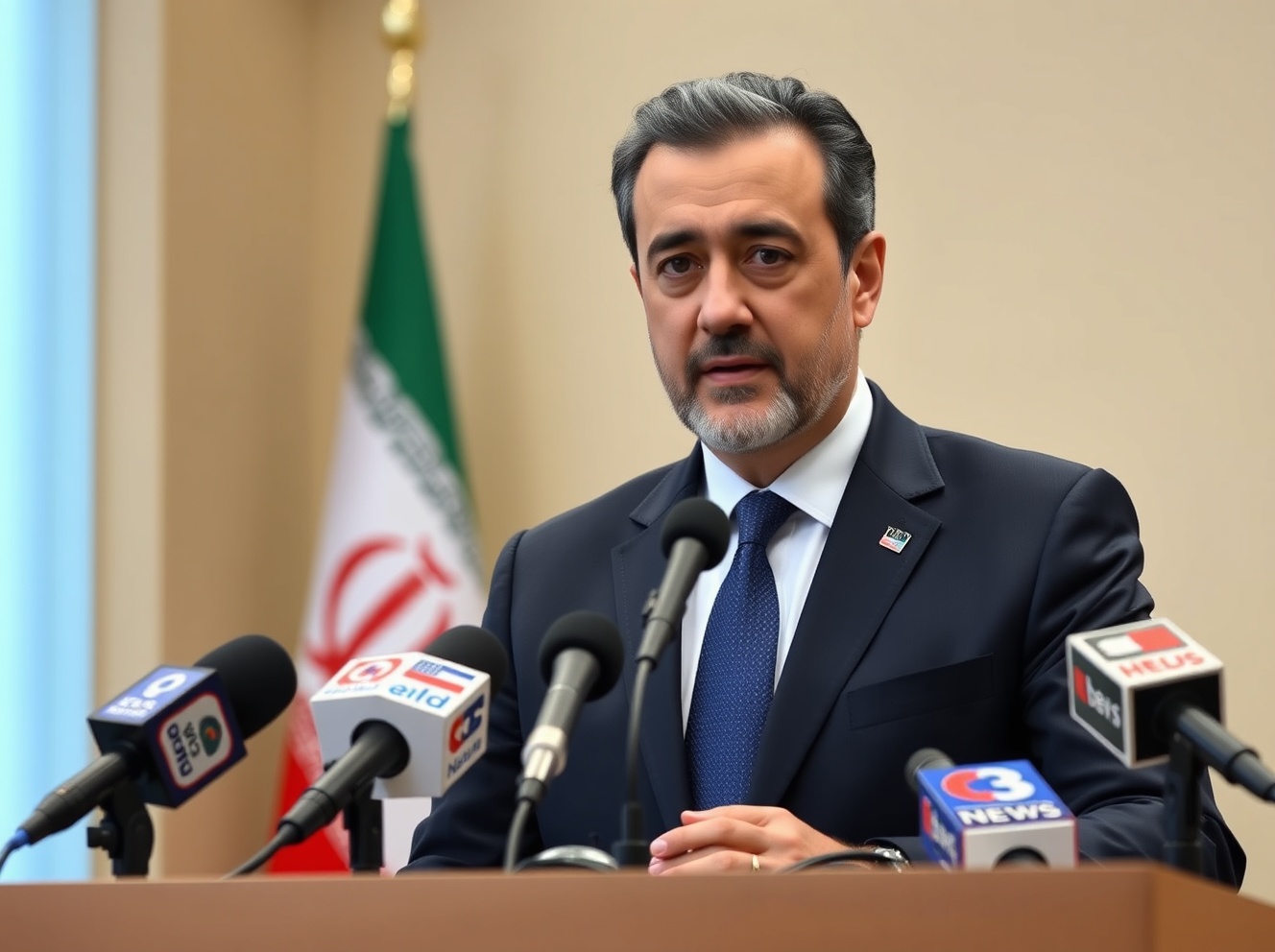
Iranian Foreign Minister Firmly Rejects Ceasefire, Demands Permanent War End and Security Guarantees
In a significant diplomatic statement from Tehran on March 15, 2025, Iranian Foreign Minister Abbas Araghchi clearly articulated Iran’s position on regional conflicts, firmly rejecting temporary ceasefire arrangements while demanding a complete end to hostilities with binding security guarantees.
Iranian Foreign Minister Clarifies Ceasefire Position
Foreign Minister Abbas Araghchi made his statement during a press conference at the Iranian Ministry of Foreign Affairs. He emphasized that Iran will not accept a ceasefire under current conditions. Furthermore, he explained that Tehran seeks a permanent resolution to ongoing conflicts. The minister specifically mentioned that temporary pauses in fighting do not address underlying security concerns. Consequently, Iran insists on comprehensive agreements that prevent future aggression.
Diplomatic analysts note that this position reflects Iran’s long-standing foreign policy approach. Historically, Iran has preferred definitive political solutions over temporary military arrangements. This stance emerges from decades of regional experience with broken ceasefires and renewed conflicts. The current statement comes amid heightened tensions in multiple Middle Eastern theaters.
Historical Context of Iran’s Diplomatic Stance
Iran’s position on ceasefires versus conflict resolution has evolved through several regional wars. The country participated in numerous negotiations during the Iran-Iraq War in the 1980s. Additionally, Iran has mediated conflicts in Syria, Yemen, and Lebanon through various diplomatic channels. These experiences have shaped Tehran’s current preference for permanent solutions.
Expert Analysis of Regional Implications
Middle East security experts point to several factors behind Iran’s stance. First, temporary ceasefires often allow combatants to regroup and rearm. Second, they rarely address the political grievances that initially sparked conflicts. Third, Iran seeks to position itself as advocating for sustainable regional stability. Regional powers frequently view ceasefires as tactical pauses rather than genuine peace efforts.
A comparative analysis of regional conflict resolution approaches reveals distinct patterns:
| Country | Preferred Conflict Resolution Method | Typical Duration Sought |
|---|---|---|
| Iran | Comprehensive political settlement | Permanent |
| Regional Neighbor A | Ceasefire with monitoring | Temporary (6-12 months) |
| Regional Neighbor B | UN-mediated peacekeeping | Intermediate (2-5 years) |
Key Elements of Iran’s Proposed Conflict Resolution
Foreign Minister Araghchi outlined several essential components for acceptable conflict termination. These elements include:
- Verifiable withdrawal of all foreign military forces from conflict zones
- Binding security guarantees against future attacks on Iranian interests
- Political inclusion of all relevant stakeholders in post-conflict governance
- Economic reconstruction mechanisms for affected regions
- International monitoring with Iranian participation
These requirements reflect Iran’s assessment of previous failed peace processes. The minister specifically referenced the 2020 ceasefire in Nagorno-Karabakh as a model that addressed core security concerns. However, he contrasted this with temporary arrangements in Yemen that repeatedly collapsed.
Regional Reactions and Diplomatic Calculations
Neighboring countries have responded cautiously to Iran’s statement. Some Gulf Cooperation Council members expressed concern about Iran’s rejection of interim measures. Meanwhile, other regional actors acknowledged the validity of seeking permanent solutions. The international community generally recognizes that sustainable peace requires addressing root causes.
Diplomatic sources indicate several factors influencing Iran’s position:
- Domestic political considerations ahead of upcoming elections
- Strategic calculations about regional influence and alliances
- Economic pressures from sanctions and reconstruction needs
- Military assessments of current conflict dynamics
Impact on Ongoing Negotiation Processes
Iran’s clear stance affects multiple diplomatic tracks simultaneously. First, it sets parameters for nuclear negotiations indirectly linked to regional security. Second, it influences talks about Yemen’s civil war where Iran supports Houthi forces. Third, it shapes discussions about Syria’s future where Iran maintains significant influence. Fourth, it affects Persian Gulf security dialogues involving multiple stakeholders.
Legal and Institutional Frameworks for Conflict Termination
International law provides several mechanisms for ending conflicts permanently. The United Nations Charter outlines procedures for conflict resolution in Chapter VI. Additionally, regional organizations like the Arab League have established conflict mediation protocols. Iran participates in some of these frameworks while developing parallel diplomatic channels.
Key international instruments relevant to Iran’s position include:
- UN Security Council Resolution 598 that ended the Iran-Iraq War
- The Geneva Conventions governing conduct during armed conflicts
- Regional security agreements like the Helsinki Accords model
- Bilateral security guarantees between states
Conclusion
Iranian Foreign Minister Abbas Araghchi’s rejection of ceasefire arrangements represents a calculated diplomatic position with significant regional implications. Iran seeks comprehensive conflict termination with binding security guarantees rather than temporary pauses in hostilities. This stance reflects decades of regional experience with failed ceasefires and renewed conflicts. The international community must now consider how to address Iran’s demands within broader peace processes. Ultimately, sustainable regional stability requires addressing the root causes that Iranian diplomacy emphasizes.
FAQs
Q1: What exactly did the Iranian Foreign Minister say about ceasefires?
Foreign Minister Abbas Araghchi stated that Iran will not accept a ceasefire, emphasizing instead that the country wants a complete end to the war with guarantees that similar acts of aggression will not be repeated.
Q2: Why does Iran reject temporary ceasefire arrangements?
Iran’s position stems from historical experience with broken ceasefires that allowed conflicts to resume, and a belief that only comprehensive political settlements address the root causes of conflicts.
Q3: How does this position affect ongoing regional conflicts?
This stance influences negotiations in Yemen, Syria, and other regional conflicts where Iran has involvement, potentially making temporary humanitarian pauses more difficult to arrange while pushing parties toward comprehensive solutions.
Q4: What security guarantees does Iran seek?
Iran seeks binding agreements that prevent future attacks on its interests, verifiable withdrawal of foreign forces from conflict zones, and mechanisms to address security concerns through political rather than military means.
Q5: How have other countries reacted to Iran’s position?
Reactions have been mixed, with some regional neighbors expressing concern about the rejection of interim measures while others acknowledge the validity of seeking permanent solutions to long-standing conflicts.
This post Iranian Foreign Minister Firmly Rejects Ceasefire, Demands Permanent War End and Security Guarantees first appeared on BitcoinWorld.


You May Also Like

3 Paradoxes of Altcoin Season in September

Vitalik Buterin Reveals Ethereum’s Long-Term Focus on Quantum Resistance



