

Bitcoin (BTC) Price: Falls Below $105,000 as $1.3 Billion Liquidation Wave Hits Crypto Markets
TLDR
- Bitcoin fell 2.4% to $104,956 after dropping below $105,000 on Tuesday morning
- Over $1.27 billion in leveraged crypto positions were liquidated in 24 hours, the largest wave in weeks
- Fed officials sent mixed signals on future rate cuts, with some saying inflation isn’t falling fast enough
- The Crypto Fear & Greed Index dropped to 21 out of 100, its lowest level in nearly seven months
- Major altcoins also declined, with Solana down 10%, Ethereum down 6%, and XRP down 5.5%
Bitcoin extended its losses on Tuesday, falling below $105,000 as crypto markets experienced one of their largest liquidation waves in recent weeks. The world’s largest cryptocurrency traded 2.4% lower at $104,956.8 by 01:02 ET.
 Bitcoin (BTC) Price
The decline came after Bitcoin dropped nearly 4% in the previous session. This brought the cryptocurrency to its lowest level since mid-October.
Data from CoinGlass revealed that more than $1.27 billion in leveraged futures positions were wiped out across the crypto market in the past 24 hours. This marked the biggest liquidation event in weeks.
 Source: Coinglass
Most of the losses came from long positions. Traders who bet on further price gains were forced to close their positions as Bitcoin’s price suddenly dropped.
The sharp decline occurred as risk appetite weakened across global markets. Investors processed mixed signals from Federal Reserve officials regarding future monetary policy.
These conflicting messages increased uncertainty about whether the Fed would cut rates again in December. This prompted traders to reduce their risk exposure.
A stronger U.S. dollar and rising Treasury yields put additional pressure on Bitcoin and other cryptocurrencies.
Market Sentiment Reaches Extreme Fear
Bitcoin’s fall below $106,000 pushed crypto market sentiment into “Extreme Fear” territory. The Fear & Greed Index dropped to 21 out of 100 on Tuesday, down from 42 the previous day.
 Source: Alternative.me
This represented the index’s lowest reading in nearly seven months. The last time it reached this level was on April 9, when it hit 18 out of 100.
The index previously showed “Extreme Fear” on October 22, when it scored 25 out of 100. At that time, Bitcoin slid from over $110,000 to below $108,000.
Bitcoin fell to a 24-hour low of $105,540 on Monday. It had previously reached an intraday peak of over $109,000 before the decline.
Fed Policy Concerns Drive Selloff
The Federal Reserve cut interest rates for the second time this year last Wednesday. However, officials signaled they might not reduce rates again in 2025.
This announcement caused crypto markets to drop. Investors had hoped for additional rate cuts throughout the year.
Last week, Bitcoin exchange-traded funds saw net outflows of nearly $800 million. Institutional buying fell below the daily mined supply for the first time in seven months.
Analysts attributed Bitcoin’s current decline to reduced institutional demand and lower blockchain activity. Concerns about an increasingly hawkish Federal Reserve also played a role.
Altcoins Face Steep Declines
Most altcoins experienced similar losses to Bitcoin on Tuesday. Ethereum, the world’s second-largest cryptocurrency, dropped 6% to $3,497.92.
XRP, ranked as the third-largest crypto, fell 5.5% to $2.28. Solana faced the steepest decline among major cryptocurrencies, plunging 10.1%.
Cardano declined 5.5%, while Polygon lost 7.6%. Meme tokens also saw losses, with Dogecoin dropping 5% and $TRUMP retreating 8.3%.
The decline extended Bitcoin’s volatile start to November. Bitcoin posted its first October loss since 2018 during the historically strong month.
Bitcoin has historically gained an average of over 42% in November. The month typically ranks as its best period for growth, though this pattern has not held in recent years.
Cipher Mining shares climbed over 20% on Monday after announcing a $5.5 billion, 15-year lease with Amazon Web Services. The deal will supply 300 megawatts of capacity for AI infrastructure beginning in 2026.
The post Bitcoin (BTC) Price: Falls Below $105,000 as $1.3 Billion Liquidation Wave Hits Crypto Markets appeared first on CoinCentral.
You May Also Like

The Stunning ASEAN Winner Emerges As Manufacturing Shifts Accelerate
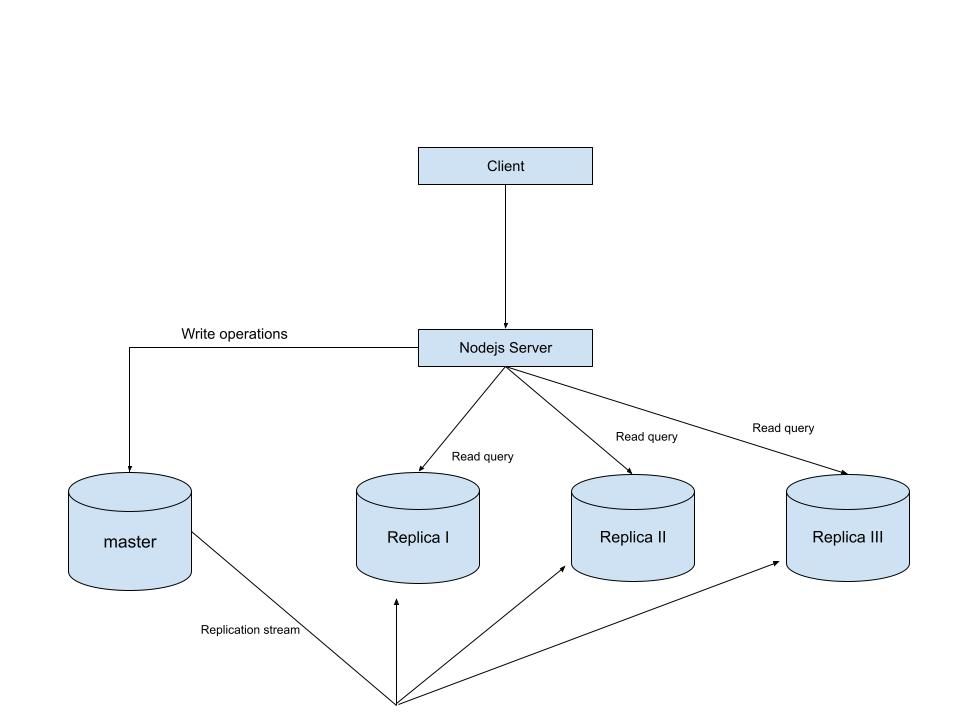
MySQL Single Leader Replication with Node.js and Docker
command: --server-id=1 --log-bin=ON The --server-id option gives each MySQL server in your replication setup its own name tag. Each one has to be unique and without it, replication won’t work at all. Another cool option not included here is binlog_format=ROW. This tells MySQL how to keep track of changes before passing them along to the replicas. By default, MySQL already uses row-based replication, but you can explicitly set it to ROW to be sure or switch it to STATEMENT if you’d rather log the actual SQL statements instead of row-by-row changes. \ Run our containers on docker Now, in the terminal, we can run the following command to spin up our database containers: docker-compose up -d \ Setting Up Our Master (Primary) Server To configure our master server, we would have to first access the running instance on docker using the following command docker exec -it mysql-master bash This command opens an interactive Bash shell inside the running Docker container named mysql-master, allowing us to run commands directly inside that container. \ Now that we’re inside the container, we can access the MySQL server and start running commands. type: mysql -uroot -p This will log you into MySQL as the root user. You’ll be prompted to enter the password you set in your docker-compose.yml file. \ Next, we need to create a special user that our replicas will use to connect to the master server and pull data. Inside the MySQL prompt, run the following commands: \ CREATE USER 'repl_user'@'%' IDENTIFIED BY 'replication_pass'; GRANT REPLICATION SLAVE ON . TO 'repl_user'@'%'; FLUSH PRIVILEGES; Here’s what’s happening: CREATE USER makes a new MySQL user called repl_user with the password replication_pass. GRANT REPLICATION SLAVE gives this user permission to act as a replication client. FLUSH PRIVILEGES tells MySQL to reload the user permissions so they take effect immediately. \ Time to Configure the Replica (Secondary) Servers a. First, let’s access the replica containers the same way we did with the master. Run this command in your terminal for each of the replica containers: \ docker exec -it <replica_container_name> bash mysql -uroot -p <replica_container_name> should be replace with the name of the replica container you are trying to setup b. Now it’s time to tell our replica where to get its data from. While inside the replica’s MySQL shell, run the following command to configure replication using the master’s details: CHANGE REPLICATION SOURCE TO SOURCE_HOST='mysql-master', SOURCE_USER='repl_user', SOURCE_PASSWORD='replication_pass', GET_SOURCE_PUBLIC_KEY=1; With the replication settings in place, let’s fire up the replica and get it syncing with the master. Still inside the MySQL shell on the replica, run: START REPLICA; This starts the replication process. To make sure everything is working, check the replica’s status with:
SHOW REPLICA STATUS\G; Look for Replica_IO_Running and Replica_SQL_Running — if both say Yes, congratulations! 🎉 Your replica is now successfully connected to the master and replicating data in real time.
Testing Our Replication Setup from the Node.js App Now that our replication is successfully set up, we can configure our Node.js server to observe the real-time effect of data being replicated from the master server to the replica server whenever we write to it. We start by installing the following dependencies:
npm i express mysql2 sequelize \ Now create a folder called src in the root directory and add the following files inside that folder connection.js, index.js and model.js. Our current directory should look like this We can now set up our connections to our master and replica server in the connection.js file as shown below
const Sequelize = require("sequelize"); const sequelize = new Sequelize({ dialect: "mysql", replication: { write: { host: "127.0.0.1", username: "root", password: "master", database: "replicaDb", }, read: [ { host: "127.0.0.1", username: "root", password: "slave", database: "replicaDb", port: 3307 }, { host: "127.0.0.1", username: "root", password: "slave", database: "replicaDb", port: 3308 }, { host: "127.0.0.1", username: "root", password: "slave", database: "replicaDb", port: 3309 }, ], }, }); async function connectdb() { try { await sequelize.authenticate(); } catch (error) { console.error("❌ unable to connect to the follower database", error); } } connectdb(); module.exports = { sequelize, }; \ We can now create a User table in the model.js file
const {DataTypes} = require("sequelize"); const { sequelize } = require("./connection"); const User = sequelize.define("User", { name: { type: DataTypes.STRING, allowNull: false, }, email: { type: DataTypes.STRING, unique: true, allowNull: false, }, }); module.exports = User \ and finally in our index.js file we can start our server and listen for connections on port 3000. from the code sample below, all inserts or updates will be routed by sequelize to the master server. while all read queries will be routed to the read replicas.
const express = require("express"); const { sequelize } = require("./connection"); const User = require("./model"); const app = express(); app.use(express.json()); async function main() { await sequelize.sync({ alter: true }); app.get("/", (req, res) => { res.status(200).json({ message: "first step to setting server up", }); }); app.post("/user", async (req, res) => { const { email, name } = req.body; let newUser = await User.build({ name, email, }); // This INSERT will go to the write (master) connection newUser = newUser.save({ returning: false }); res.status(201).json({ message: "User successfully created", }); }); app.get("/user", async (req, res) => { // This SELECT query will go to one of the read replicas const users = await User.findAll(); res.status(200).json(users); }); app.listen(3000, () => { console.log("server has connected"); }); } main(); When you make a POST request to the /users endpoint, take a moment to check both the master and replica servers to observe how data is replicated in real time. Right now, we are relying on Sequelize to automatically route requests, which works for development but isn’t robust enough for a production environment. In particular, if the master node goes down, Sequelize cannot automatically redirect requests to a newly elected leader. In the next part of this series, we’ll explore strategies to handle these challenges
