BitcoinWorld SIM-swapping Scam Exposed: US DOJ Seizes $5M in Bitcoin The digital world offers incredible opportunities, but it also harbors hidden threats. Recently, a significant development in the fight against cybercrime emerged: the U.S. Department of Justice (DOJ) has taken decisive action, filing for the forfeiture of over $5 million in Bitcoin (BTC) linked to a sophisticated SIM-swapping scam. This move underscores the ongoing battle to secure digital assets and protect individuals from increasingly cunning fraudsters. Understanding the Devious SIM-Swapping Scam What exactly is a SIM-swapping scam, and why should every cryptocurrency holder be aware of it? At its core, a SIM-swapping scam is a malicious attack where perpetrators gain control of a victim’s phone number. They achieve this by tricking a mobile carrier into transferring the victim’s phone number to a SIM card controlled by the scammer. This might involve social engineering tactics, impersonation, or exploiting vulnerabilities within the carrier’s systems. Once they control your phone number, the attackers can intercept critical communications, including one-time passwords (OTPs) and two-factor authentication (2FA) codes. These codes are often the last line of defense for accessing online accounts, especially cryptocurrency exchanges, banking portals, and email. Imagine waking up to find your digital life compromised, simply because someone gained access to your phone number. It’s a chilling thought, and unfortunately, a reality for many victims. How it Works: Scammers contact your mobile carrier, pretending to be you. The Goal: To port your phone number to their SIM card. The Impact: They gain access to your SMS, calls, and crucial 2FA codes. The DOJ’s Decisive Blow Against Crypto SIM-Swapping Scammers This latest action by the U.S. Department of Justice represents a significant victory against digital asset theft. The filing for the forfeiture of more than $5 million in BTC sends a clear message: law enforcement agencies are actively pursuing those who exploit technological vulnerabilities to steal cryptocurrencies. This particular forfeiture stems from a complex SIM-swapping scam that resulted in substantial financial losses for victims. The successful tracking and seizure of these illicit funds highlight the increasing sophistication of investigative techniques in the blockchain space. While the decentralized nature of cryptocurrencies can offer anonymity, transactions are recorded on an immutable ledger, often leaving a trail for determined investigators. This case serves as a powerful reminder that even in the digital realm, justice can and will be pursued. This initiative not only recovers stolen assets but also acts as a deterrent. It shows that engaging in a SIM-swapping scam carries serious consequences, making it a riskier endeavor for potential criminals. It reinforces trust in the digital ecosystem by demonstrating that authorities are committed to protecting users. Safeguarding Your Assets: Defending Against SIM-Swapping Scams Given the pervasive threat of a SIM-swapping scam, what steps can you take to protect your valuable digital assets? Proactive security measures are crucial. Your first line of defense should always be to secure your mobile account. Here are some essential tips to safeguard yourself: Enable a Strong PIN/Password on Your Mobile Account: Contact your carrier and set up a unique PIN or password for your account. This makes it harder for scammers to authorize changes without this specific code. Use Authenticator Apps for 2FA: Whenever possible, opt for app-based two-factor authentication (e.g., Google Authenticator, Authy) instead of SMS-based 2FA. Authenticator apps generate codes that are tied to your device, not your phone number, making them immune to SIM swaps. Be Wary of Phishing Attempts: Scammers often gather personal information through phishing emails or texts. Never click suspicious links or provide personal details unless you are certain of the sender’s legitimacy. Monitor Your Accounts: Regularly check your phone service and financial accounts for any unusual activity. Early detection can prevent significant losses. Consider a Hardware Wallet: For substantial cryptocurrency holdings, a hardware wallet offers the highest level of security by keeping your private keys offline. Vigilance is key in the ever-evolving landscape of cyber threats. By adopting these security practices, you significantly reduce your vulnerability to a SIM-swapping scam and other forms of digital theft. A Crucial Victory in the Fight Against Cybercrime The U.S. DOJ’s successful action to forfeit over $5 million in Bitcoin from a SIM-swapping scam is more than just a legal procedure; it’s a critical moment for digital asset security. It highlights the persistent danger of these sophisticated attacks while simultaneously showcasing the increasing effectiveness of law enforcement in combating them. As the digital economy continues to grow, the responsibility to protect our assets falls on both individuals and institutions. This case serves as a powerful reminder that while the rewards of the crypto world are enticing, a proactive and informed approach to security is paramount. Stay informed, stay secure, and protect your digital future. Frequently Asked Questions (FAQs) Here are some common questions regarding SIM-swapping scams and cryptocurrency security: Q1: What is the primary goal of a SIM-swapping scammer? A1: The primary goal is to gain control of your phone number to intercept crucial communications, especially two-factor authentication (2FA) codes, which allows them to access your online accounts, including cryptocurrency exchanges and banking services. Q2: How can I tell if I’m a victim of a SIM-swapping scam? A2: Signs include sudden loss of cell service, inability to make or receive calls/texts, or notifications of unauthorized account changes. If you suspect a SIM swap, contact your mobile carrier and financial institutions immediately. Q3: Are hardware wallets truly effective against SIM-swapping scams? A3: Yes, hardware wallets are highly effective. They store your private keys offline, meaning even if a scammer gains access to your online accounts, they cannot move your cryptocurrency without physical access to your hardware wallet and its PIN. Q4: Does the U.S. DOJ typically recover stolen cryptocurrencies? A4: The U.S. DOJ and other law enforcement agencies are increasingly successful in tracking and recovering stolen cryptocurrencies, especially from high-profile scams. This recent forfeiture of over $5 million in BTC is a prime example of their ongoing efforts. Q5: What’s the most important step to prevent a SIM-swapping scam? A5: The most important step is to enable a strong, unique PIN or password directly with your mobile carrier for your account. This prevents unauthorized SIM transfers without that specific credential. Additionally, prioritize app-based 2FA over SMS-based whenever possible. Did you find this article helpful in understanding the dangers of a SIM-swapping scam and how to protect your digital assets? Share this crucial information with your friends, family, and fellow crypto enthusiasts on social media. Together, we can build a more secure digital community! To learn more about the latest explore our article on key developments shaping Bitcoin institutional adoption. This post SIM-swapping Scam Exposed: US DOJ Seizes $5M in Bitcoin first appeared on BitcoinWorld and is written by Editorial TeamBitcoinWorld SIM-swapping Scam Exposed: US DOJ Seizes $5M in Bitcoin The digital world offers incredible opportunities, but it also harbors hidden threats. Recently, a significant development in the fight against cybercrime emerged: the U.S. Department of Justice (DOJ) has taken decisive action, filing for the forfeiture of over $5 million in Bitcoin (BTC) linked to a sophisticated SIM-swapping scam. This move underscores the ongoing battle to secure digital assets and protect individuals from increasingly cunning fraudsters. Understanding the Devious SIM-Swapping Scam What exactly is a SIM-swapping scam, and why should every cryptocurrency holder be aware of it? At its core, a SIM-swapping scam is a malicious attack where perpetrators gain control of a victim’s phone number. They achieve this by tricking a mobile carrier into transferring the victim’s phone number to a SIM card controlled by the scammer. This might involve social engineering tactics, impersonation, or exploiting vulnerabilities within the carrier’s systems. Once they control your phone number, the attackers can intercept critical communications, including one-time passwords (OTPs) and two-factor authentication (2FA) codes. These codes are often the last line of defense for accessing online accounts, especially cryptocurrency exchanges, banking portals, and email. Imagine waking up to find your digital life compromised, simply because someone gained access to your phone number. It’s a chilling thought, and unfortunately, a reality for many victims. How it Works: Scammers contact your mobile carrier, pretending to be you. The Goal: To port your phone number to their SIM card. The Impact: They gain access to your SMS, calls, and crucial 2FA codes. The DOJ’s Decisive Blow Against Crypto SIM-Swapping Scammers This latest action by the U.S. Department of Justice represents a significant victory against digital asset theft. The filing for the forfeiture of more than $5 million in BTC sends a clear message: law enforcement agencies are actively pursuing those who exploit technological vulnerabilities to steal cryptocurrencies. This particular forfeiture stems from a complex SIM-swapping scam that resulted in substantial financial losses for victims. The successful tracking and seizure of these illicit funds highlight the increasing sophistication of investigative techniques in the blockchain space. While the decentralized nature of cryptocurrencies can offer anonymity, transactions are recorded on an immutable ledger, often leaving a trail for determined investigators. This case serves as a powerful reminder that even in the digital realm, justice can and will be pursued. This initiative not only recovers stolen assets but also acts as a deterrent. It shows that engaging in a SIM-swapping scam carries serious consequences, making it a riskier endeavor for potential criminals. It reinforces trust in the digital ecosystem by demonstrating that authorities are committed to protecting users. Safeguarding Your Assets: Defending Against SIM-Swapping Scams Given the pervasive threat of a SIM-swapping scam, what steps can you take to protect your valuable digital assets? Proactive security measures are crucial. Your first line of defense should always be to secure your mobile account. Here are some essential tips to safeguard yourself: Enable a Strong PIN/Password on Your Mobile Account: Contact your carrier and set up a unique PIN or password for your account. This makes it harder for scammers to authorize changes without this specific code. Use Authenticator Apps for 2FA: Whenever possible, opt for app-based two-factor authentication (e.g., Google Authenticator, Authy) instead of SMS-based 2FA. Authenticator apps generate codes that are tied to your device, not your phone number, making them immune to SIM swaps. Be Wary of Phishing Attempts: Scammers often gather personal information through phishing emails or texts. Never click suspicious links or provide personal details unless you are certain of the sender’s legitimacy. Monitor Your Accounts: Regularly check your phone service and financial accounts for any unusual activity. Early detection can prevent significant losses. Consider a Hardware Wallet: For substantial cryptocurrency holdings, a hardware wallet offers the highest level of security by keeping your private keys offline. Vigilance is key in the ever-evolving landscape of cyber threats. By adopting these security practices, you significantly reduce your vulnerability to a SIM-swapping scam and other forms of digital theft. A Crucial Victory in the Fight Against Cybercrime The U.S. DOJ’s successful action to forfeit over $5 million in Bitcoin from a SIM-swapping scam is more than just a legal procedure; it’s a critical moment for digital asset security. It highlights the persistent danger of these sophisticated attacks while simultaneously showcasing the increasing effectiveness of law enforcement in combating them. As the digital economy continues to grow, the responsibility to protect our assets falls on both individuals and institutions. This case serves as a powerful reminder that while the rewards of the crypto world are enticing, a proactive and informed approach to security is paramount. Stay informed, stay secure, and protect your digital future. Frequently Asked Questions (FAQs) Here are some common questions regarding SIM-swapping scams and cryptocurrency security: Q1: What is the primary goal of a SIM-swapping scammer? A1: The primary goal is to gain control of your phone number to intercept crucial communications, especially two-factor authentication (2FA) codes, which allows them to access your online accounts, including cryptocurrency exchanges and banking services. Q2: How can I tell if I’m a victim of a SIM-swapping scam? A2: Signs include sudden loss of cell service, inability to make or receive calls/texts, or notifications of unauthorized account changes. If you suspect a SIM swap, contact your mobile carrier and financial institutions immediately. Q3: Are hardware wallets truly effective against SIM-swapping scams? A3: Yes, hardware wallets are highly effective. They store your private keys offline, meaning even if a scammer gains access to your online accounts, they cannot move your cryptocurrency without physical access to your hardware wallet and its PIN. Q4: Does the U.S. DOJ typically recover stolen cryptocurrencies? A4: The U.S. DOJ and other law enforcement agencies are increasingly successful in tracking and recovering stolen cryptocurrencies, especially from high-profile scams. This recent forfeiture of over $5 million in BTC is a prime example of their ongoing efforts. Q5: What’s the most important step to prevent a SIM-swapping scam? A5: The most important step is to enable a strong, unique PIN or password directly with your mobile carrier for your account. This prevents unauthorized SIM transfers without that specific credential. Additionally, prioritize app-based 2FA over SMS-based whenever possible. Did you find this article helpful in understanding the dangers of a SIM-swapping scam and how to protect your digital assets? Share this crucial information with your friends, family, and fellow crypto enthusiasts on social media. Together, we can build a more secure digital community! To learn more about the latest explore our article on key developments shaping Bitcoin institutional adoption. This post SIM-swapping Scam Exposed: US DOJ Seizes $5M in Bitcoin first appeared on BitcoinWorld and is written by Editorial Team

SIM-swapping Scam Exposed: US DOJ Seizes $5M in Bitcoin

BitcoinWorld
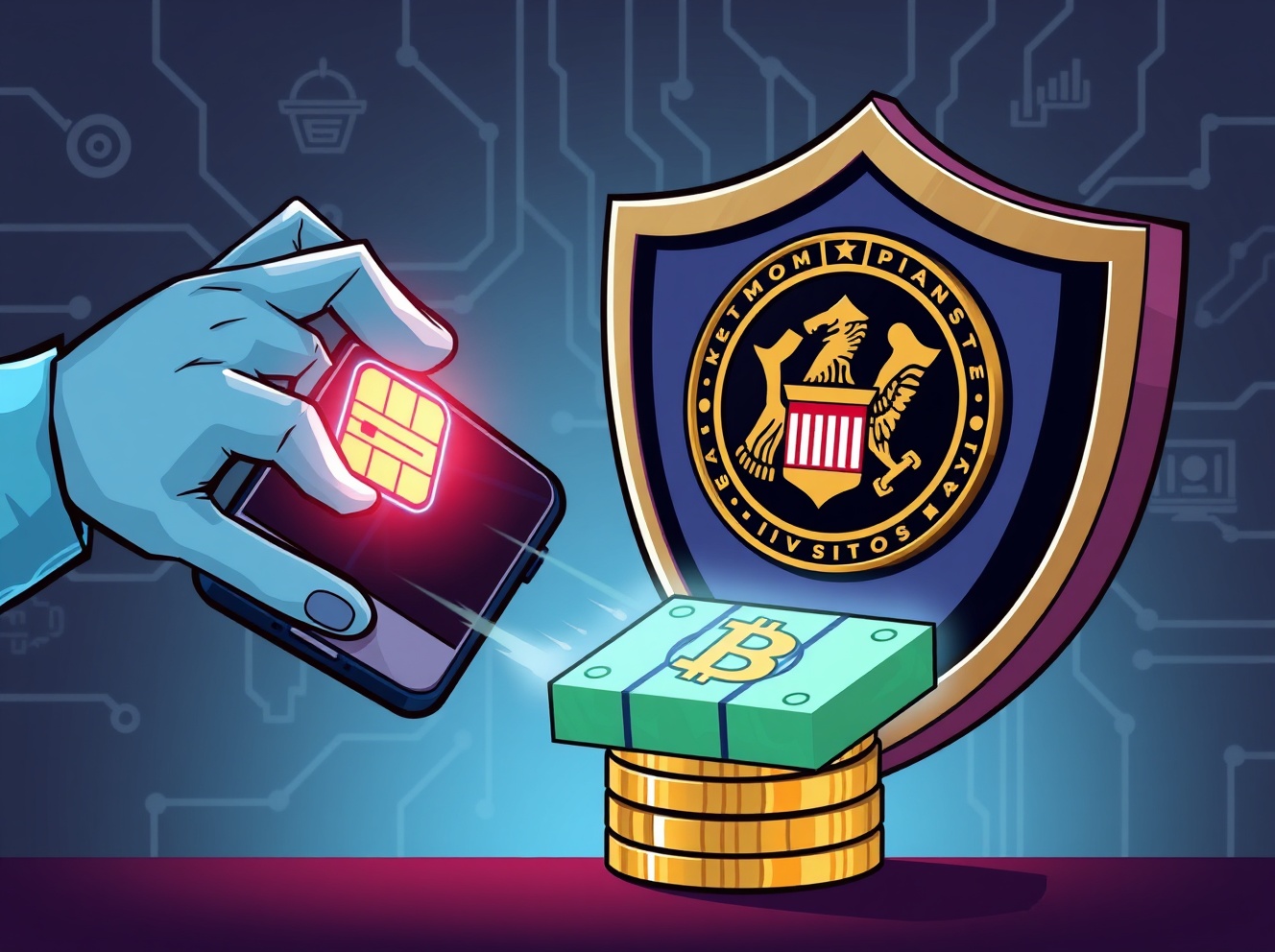
SIM-swapping Scam Exposed: US DOJ Seizes $5M in Bitcoin

The digital world offers incredible opportunities, but it also harbors hidden threats. Recently, a significant development in the fight against cybercrime emerged: the U.S. Department of Justice (DOJ) has taken decisive action, filing for the forfeiture of over $5 million in Bitcoin (BTC) linked to a sophisticated SIM-swapping scam. This move underscores the ongoing battle to secure digital assets and protect individuals from increasingly cunning fraudsters.

Understanding the Devious SIM-Swapping Scam

What exactly is a SIM-swapping scam, and why should every cryptocurrency holder be aware of it? At its core, a SIM-swapping scam is a malicious attack where perpetrators gain control of a victim’s phone number. They achieve this by tricking a mobile carrier into transferring the victim’s phone number to a SIM card controlled by the scammer. This might involve social engineering tactics, impersonation, or exploiting vulnerabilities within the carrier’s systems.

Once they control your phone number, the attackers can intercept critical communications, including one-time passwords (OTPs) and two-factor authentication (2FA) codes. These codes are often the last line of defense for accessing online accounts, especially cryptocurrency exchanges, banking portals, and email. Imagine waking up to find your digital life compromised, simply because someone gained access to your phone number. It’s a chilling thought, and unfortunately, a reality for many victims.

  • How it Works: Scammers contact your mobile carrier, pretending to be you.
  • The Goal: To port your phone number to their SIM card.
  • The Impact: They gain access to your SMS, calls, and crucial 2FA codes.

The DOJ’s Decisive Blow Against Crypto SIM-Swapping Scammers

This latest action by the U.S. Department of Justice represents a significant victory against digital asset theft. The filing for the forfeiture of more than $5 million in BTC sends a clear message: law enforcement agencies are actively pursuing those who exploit technological vulnerabilities to steal cryptocurrencies. This particular forfeiture stems from a complex SIM-swapping scam that resulted in substantial financial losses for victims.

The successful tracking and seizure of these illicit funds highlight the increasing sophistication of investigative techniques in the blockchain space. While the decentralized nature of cryptocurrencies can offer anonymity, transactions are recorded on an immutable ledger, often leaving a trail for determined investigators. This case serves as a powerful reminder that even in the digital realm, justice can and will be pursued.

This initiative not only recovers stolen assets but also acts as a deterrent. It shows that engaging in a SIM-swapping scam carries serious consequences, making it a riskier endeavor for potential criminals. It reinforces trust in the digital ecosystem by demonstrating that authorities are committed to protecting users.

Safeguarding Your Assets: Defending Against SIM-Swapping Scams

Given the pervasive threat of a SIM-swapping scam, what steps can you take to protect your valuable digital assets? Proactive security measures are crucial. Your first line of defense should always be to secure your mobile account.

Here are some essential tips to safeguard yourself:

  • Enable a Strong PIN/Password on Your Mobile Account: Contact your carrier and set up a unique PIN or password for your account. This makes it harder for scammers to authorize changes without this specific code.
  • Use Authenticator Apps for 2FA: Whenever possible, opt for app-based two-factor authentication (e.g., Google Authenticator, Authy) instead of SMS-based 2FA. Authenticator apps generate codes that are tied to your device, not your phone number, making them immune to SIM swaps.
  • Be Wary of Phishing Attempts: Scammers often gather personal information through phishing emails or texts. Never click suspicious links or provide personal details unless you are certain of the sender’s legitimacy.
  • Monitor Your Accounts: Regularly check your phone service and financial accounts for any unusual activity. Early detection can prevent significant losses.
  • Consider a Hardware Wallet: For substantial cryptocurrency holdings, a hardware wallet offers the highest level of security by keeping your private keys offline.

Vigilance is key in the ever-evolving landscape of cyber threats. By adopting these security practices, you significantly reduce your vulnerability to a SIM-swapping scam and other forms of digital theft.

A Crucial Victory in the Fight Against Cybercrime

The U.S. DOJ’s successful action to forfeit over $5 million in Bitcoin from a SIM-swapping scam is more than just a legal procedure; it’s a critical moment for digital asset security. It highlights the persistent danger of these sophisticated attacks while simultaneously showcasing the increasing effectiveness of law enforcement in combating them. As the digital economy continues to grow, the responsibility to protect our assets falls on both individuals and institutions. This case serves as a powerful reminder that while the rewards of the crypto world are enticing, a proactive and informed approach to security is paramount. Stay informed, stay secure, and protect your digital future.

Frequently Asked Questions (FAQs)

Here are some common questions regarding SIM-swapping scams and cryptocurrency security:

Q1: What is the primary goal of a SIM-swapping scammer?
A1: The primary goal is to gain control of your phone number to intercept crucial communications, especially two-factor authentication (2FA) codes, which allows them to access your online accounts, including cryptocurrency exchanges and banking services.

Q2: How can I tell if I’m a victim of a SIM-swapping scam?
A2: Signs include sudden loss of cell service, inability to make or receive calls/texts, or notifications of unauthorized account changes. If you suspect a SIM swap, contact your mobile carrier and financial institutions immediately.

Q3: Are hardware wallets truly effective against SIM-swapping scams?
A3: Yes, hardware wallets are highly effective. They store your private keys offline, meaning even if a scammer gains access to your online accounts, they cannot move your cryptocurrency without physical access to your hardware wallet and its PIN.

Q4: Does the U.S. DOJ typically recover stolen cryptocurrencies?
A4: The U.S. DOJ and other law enforcement agencies are increasingly successful in tracking and recovering stolen cryptocurrencies, especially from high-profile scams. This recent forfeiture of over $5 million in BTC is a prime example of their ongoing efforts.

Q5: What’s the most important step to prevent a SIM-swapping scam?
A5: The most important step is to enable a strong, unique PIN or password directly with your mobile carrier for your account. This prevents unauthorized SIM transfers without that specific credential. Additionally, prioritize app-based 2FA over SMS-based whenever possible.

Did you find this article helpful in understanding the dangers of a SIM-swapping scam and how to protect your digital assets? Share this crucial information with your friends, family, and fellow crypto enthusiasts on social media. Together, we can build a more secure digital community!

To learn more about the latest explore our article on key developments shaping Bitcoin institutional adoption.

This post SIM-swapping Scam Exposed: US DOJ Seizes $5M in Bitcoin first appeared on BitcoinWorld and is written by Editorial Team

Market Opportunity
Gravity Logo
Gravity Price(G)
$0,00431
$0,00431$0,00431
-1,16%
USD
Gravity (G) Live Price Chart
Disclaimer: The articles reposted on this site are sourced from public platforms and are provided for informational purposes only. They do not necessarily reflect the views of MEXC. All rights remain with the original authors. If you believe any content infringes on third-party rights, please contact service@support.mexc.com for removal. MEXC makes no guarantees regarding the accuracy, completeness, or timeliness of the content and is not responsible for any actions taken based on the information provided. The content does not constitute financial, legal, or other professional advice, nor should it be considered a recommendation or endorsement by MEXC.

You May Also Like

Trust Wallet’s Decisive Move: Full Compensation for $7M Hack Victims

Trust Wallet’s Decisive Move: Full Compensation for $7M Hack Victims

BitcoinWorld Trust Wallet’s Decisive Move: Full Compensation for $7M Hack Victims In a significant move for cryptocurrency security, Trust Wallet has committed
Share
bitcoinworld2025/12/26 17:40
Cashing In On University Patents Means Giving Up On Our Innovation Future

Cashing In On University Patents Means Giving Up On Our Innovation Future

The post Cashing In On University Patents Means Giving Up On Our Innovation Future appeared on BitcoinEthereumNews.com. “It’s a raid on American innovation that would deliver pennies to the Treasury while kneecapping the very engine of our economic and medical progress,” writes Pipes. Getty Images Washington is addicted to taxing success. Now, Commerce Secretary Howard Lutnick is floating a plan to skim half the patent earnings from inventions developed at universities with federal funding. It’s being sold as a way to shore up programs like Social Security. In reality, it’s a raid on American innovation that would deliver pennies to the Treasury while kneecapping the very engine of our economic and medical progress. Yes, taxpayer dollars support early-stage research. But the real payoff comes later—in the jobs created, cures discovered, and industries launched when universities and private industry turn those discoveries into real products. By comparison, the sums at stake in patent licensing are trivial. Universities collectively earn only about $3.6 billion annually in patent income—less than the federal government spends on Social Security in a single day. Even confiscating half would barely register against a $6 trillion federal budget. And yet the damage from such a policy would be anything but trivial. The true return on taxpayer investment isn’t in licensing checks sent to Washington, but in the downstream economic activity that federally supported research unleashes. Thanks to the bipartisan Bayh-Dole Act of 1980, universities and private industry have powerful incentives to translate early-stage discoveries into real-world products. Before Bayh-Dole, the government hoarded patents from federally funded research, and fewer than 5% were ever licensed. Once universities could own and license their own inventions, innovation exploded. The result has been one of the best returns on investment in government history. Since 1996, university research has added nearly $2 trillion to U.S. industrial output, supported 6.5 million jobs, and launched more than 19,000 startups. Those companies pay…
Share
BitcoinEthereumNews2025/09/18 03:26
Trust Wallet Hack Hits $7M: CZ Hints at Possible Insider Role

Trust Wallet Hack Hits $7M: CZ Hints at Possible Insider Role

CZ hinted at possible insider involvement in the Trust Wallet incident while assuring users that their funds would be reimbursed.
Share
CryptoPotato2025/12/26 16:48