

Stage 1 LIVE: IPO Genie Presale Starts Strong & Tokens Selling Fast!

The market is on fire right now. IPO Genie ($IPO) has officially gone live, and the reaction has been wild in the world. Within a few hours, investors rushed in, and Stage 1 tokens started flying off the shelves.
Across social media like Twitter X and Telegram, it’s all people can talk about. It is a real presale token; analysts are calling it one of the most promising presales of 2025.

The energy around this trending crypto presale isn’t random. In fact, it’s the result of timing, access, and structure that hit perfectly with what retail investors have been waiting for. And the numbers show it. Moreover, early tiers are nearly sold out, while more buyers are queuing up for the next phase.
Now, let’s break down what’s driving this presale, why investors are going crazy for it, and what early entrants are gaining right now.
The Presale That Shook the Market
Here’s the situation like Stage 1 of the IPO Genie presale went live, and within a day, thousands of wallets connected. Early reports show that the first allocation round is nearly complete.
Investors are rushing in because they’ve seen what happened with similar early-phase launch projects that went 20x, 50x, even 100x post-listing. The buzz is spreading fast, and now everyone wants a piece before the next stage price increase hits.
Crypto analysts are watching closely, too. Many list $IPO as one of the top trending crypto presales right now, noting that “the structure feels different, it’s built with purpose, not hype.”
The team confirmed that Stage 2 will come with a higher entry price, which explains the massive surge of wallets joining now. And the community growth? It’s off the charts. Telegram jumped from thousands to millions of members in under a week.

Core Features Driving the Hype
So why is everyone piling in? Let’s break down what’s pushing IPO Genie to viral status.
- Access to Pre-IPO Opportunities: Retail investors finally get access to investment opportunities once limited to large funds.
- AI-Backed Deal Screening: The platform filters high-potential deals using data-driven algorithms and human oversight.
- Tiered Reward System: The presale is structured into multiple stages. Early buyers get cheaper tokens, staking options, and exclusive access rights.
- Liquidity and Transparency: Unlike typical private markets, $IPO tokens come with verifiable data and on-chain clarity.
- Community-First Approach: A growing army of early supporters is fueling organic buzz and helping the project trend worldwide.
Each of these features adds layers of credibility, and when combined, they’ve created one of the fastest-selling crypto presales this year.
Table: Early-Stage Access vs. Later-Stage Entry
| Category | Early Stage 1 Buyers | Later Stage Participants |
| Token Price | Lowest available | Increases with each stage |
| Access to Bonuses | High (staking, airdrops) | Reduced or none |
| Governance Rights | Priority allocation | Standard |
| Availability | Limited supply | Diminished as sold out |
| Potential Upside | Highest | Lower entry advantage |
The table makes one thing clear is getting in early matters. The pricing curve is steep, and once Stage 1 wraps up, the cost per token rises.
Analysts Are Weighing In
Crypto analysts across multiple outlets are calling this presale “a standout of 2025.” Some are already comparing it to the early-phase of different coin launches.
A few have even gone as far as to predict strong post-launch potential, citing the combination of real-world deal access and a capped token supply.
Of course, it’s still early. But when analysts begin tracking metrics like wallet growth, referral engagement, and token velocity, it’s clear this isn’t hype built on empty promises.
The excitement is measurable. And in crypto, momentum often equals opportunity.
Why This Trending Crypto Presale Has the World Watching
This isn’t just a regional story, it’s global. Investors from Asia, Europe, and the Middle East are joining in. Forums are filled with screenshots of successful purchases and price projections.
But it’s not just talk, in fact the project’s concept hits a nerve: bridging real finance and blockchain access. Moreover, it taps into something investors have wanted for years, the ability to access early-stage deals without needing millions in capital.
And that’s why everyone’s paying attention. So, IPO Genie $IPO has positioned itself right where blockchain and traditional investing meet. The timing couldn’t be better.
Why Acting Early Makes Sense
The presale is structured in limited stages. Each stage brings a price increase and reduced bonuses.
That’s why early buyers are moving fast. They understand the math: lower entry means higher potential return once listings begin.
Moreover, early participants gain voting power, special staking pools, and co-investment options. These perks make early access far more valuable than waiting for a later round.
If the current sales speed continues, Stage 1 could close sooner than expected, and once it’s gone, it’s gone.
Community Growth Milestones
One of the clearest signs of strength is community traction.
- Telegram community: 40,000+ and rising.
- X followers: doubled in less than a week.
- Official website traffic: up 600% since the presale opened.
These aren’t random numbers; they show momentum. And in crypto, momentum often leads to price strength post-listing. The presale is quickly becoming one of the most-watched events of the year.
What’s Next for $IPO
After Stage 1, the team plans to move into Stage 2 with higher pricing and potentially new bonus tiers. Following that, listings on DEXs and centralized exchanges are expected.
Investors are already speculating on early returns. While no one can guarantee future prices, the mix of scarcity, real-world utility, and growing attention makes this one of the most exciting opportunities in the current market cycle.
Stay tuned for announcements on allocation updates, exchange listings, and token unlock schedules.
A Rare Window That Won’t Stay Open
IPO Genie’s presale is moving fast, and that’s no stay long. IPO’s Tokens are selling quickly, the community is surging, and global interest keeps building by the hour.
Those who move now secure the lowest possible entry. Those who wait risk watching from the sidelines as the next phase costs more.
For anyone looking to participate in a project that’s actually shaking up crypto investing, is more than just riding hype.
Wrap-Up
The excitement isn’t blind hype; as a matter of fact, it’s the reflection of strong fundamentals, clear structure, and a community that’s growing like wildfire. And all these are in the $IPO. So, that’s why market watchers choose it.
Early access doesn’t guarantee profit, but it often defines opportunity. IPO Genie ($IPO) is showing what happens when retail investors get a real seat at the table.
For more information and to be a part of IPO Genie, please click IPO Genie ($IPO), Telegram, or IPO on X.
Disclaimer: Always research before investing, but getting in early on the right presale could be one of the smartest crypto moves this year.
You May Also Like

The Stunning ASEAN Winner Emerges As Manufacturing Shifts Accelerate
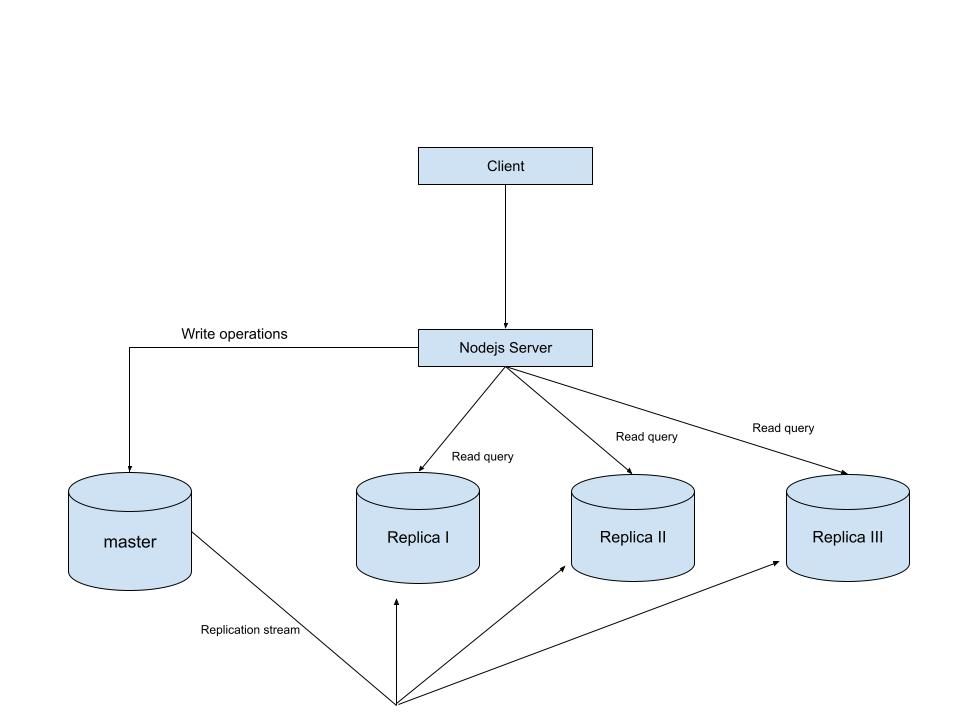
MySQL Single Leader Replication with Node.js and Docker
command: --server-id=1 --log-bin=ON The --server-id option gives each MySQL server in your replication setup its own name tag. Each one has to be unique and without it, replication won’t work at all. Another cool option not included here is binlog_format=ROW. This tells MySQL how to keep track of changes before passing them along to the replicas. By default, MySQL already uses row-based replication, but you can explicitly set it to ROW to be sure or switch it to STATEMENT if you’d rather log the actual SQL statements instead of row-by-row changes. \ Run our containers on docker Now, in the terminal, we can run the following command to spin up our database containers: docker-compose up -d \ Setting Up Our Master (Primary) Server To configure our master server, we would have to first access the running instance on docker using the following command docker exec -it mysql-master bash This command opens an interactive Bash shell inside the running Docker container named mysql-master, allowing us to run commands directly inside that container. \ Now that we’re inside the container, we can access the MySQL server and start running commands. type: mysql -uroot -p This will log you into MySQL as the root user. You’ll be prompted to enter the password you set in your docker-compose.yml file. \ Next, we need to create a special user that our replicas will use to connect to the master server and pull data. Inside the MySQL prompt, run the following commands: \ CREATE USER 'repl_user'@'%' IDENTIFIED BY 'replication_pass'; GRANT REPLICATION SLAVE ON . TO 'repl_user'@'%'; FLUSH PRIVILEGES; Here’s what’s happening: CREATE USER makes a new MySQL user called repl_user with the password replication_pass. GRANT REPLICATION SLAVE gives this user permission to act as a replication client. FLUSH PRIVILEGES tells MySQL to reload the user permissions so they take effect immediately. \ Time to Configure the Replica (Secondary) Servers a. First, let’s access the replica containers the same way we did with the master. Run this command in your terminal for each of the replica containers: \ docker exec -it <replica_container_name> bash mysql -uroot -p <replica_container_name> should be replace with the name of the replica container you are trying to setup b. Now it’s time to tell our replica where to get its data from. While inside the replica’s MySQL shell, run the following command to configure replication using the master’s details: CHANGE REPLICATION SOURCE TO SOURCE_HOST='mysql-master', SOURCE_USER='repl_user', SOURCE_PASSWORD='replication_pass', GET_SOURCE_PUBLIC_KEY=1; With the replication settings in place, let’s fire up the replica and get it syncing with the master. Still inside the MySQL shell on the replica, run: START REPLICA; This starts the replication process. To make sure everything is working, check the replica’s status with:
SHOW REPLICA STATUS\G; Look for Replica_IO_Running and Replica_SQL_Running — if both say Yes, congratulations! 🎉 Your replica is now successfully connected to the master and replicating data in real time.
Testing Our Replication Setup from the Node.js App Now that our replication is successfully set up, we can configure our Node.js server to observe the real-time effect of data being replicated from the master server to the replica server whenever we write to it. We start by installing the following dependencies:
npm i express mysql2 sequelize \ Now create a folder called src in the root directory and add the following files inside that folder connection.js, index.js and model.js. Our current directory should look like this We can now set up our connections to our master and replica server in the connection.js file as shown below
const Sequelize = require("sequelize"); const sequelize = new Sequelize({ dialect: "mysql", replication: { write: { host: "127.0.0.1", username: "root", password: "master", database: "replicaDb", }, read: [ { host: "127.0.0.1", username: "root", password: "slave", database: "replicaDb", port: 3307 }, { host: "127.0.0.1", username: "root", password: "slave", database: "replicaDb", port: 3308 }, { host: "127.0.0.1", username: "root", password: "slave", database: "replicaDb", port: 3309 }, ], }, }); async function connectdb() { try { await sequelize.authenticate(); } catch (error) { console.error("❌ unable to connect to the follower database", error); } } connectdb(); module.exports = { sequelize, }; \ We can now create a User table in the model.js file
const {DataTypes} = require("sequelize"); const { sequelize } = require("./connection"); const User = sequelize.define("User", { name: { type: DataTypes.STRING, allowNull: false, }, email: { type: DataTypes.STRING, unique: true, allowNull: false, }, }); module.exports = User \ and finally in our index.js file we can start our server and listen for connections on port 3000. from the code sample below, all inserts or updates will be routed by sequelize to the master server. while all read queries will be routed to the read replicas.
const express = require("express"); const { sequelize } = require("./connection"); const User = require("./model"); const app = express(); app.use(express.json()); async function main() { await sequelize.sync({ alter: true }); app.get("/", (req, res) => { res.status(200).json({ message: "first step to setting server up", }); }); app.post("/user", async (req, res) => { const { email, name } = req.body; let newUser = await User.build({ name, email, }); // This INSERT will go to the write (master) connection newUser = newUser.save({ returning: false }); res.status(201).json({ message: "User successfully created", }); }); app.get("/user", async (req, res) => { // This SELECT query will go to one of the read replicas const users = await User.findAll(); res.status(200).json(users); }); app.listen(3000, () => { console.log("server has connected"); }); } main(); When you make a POST request to the /users endpoint, take a moment to check both the master and replica servers to observe how data is replicated in real time. Right now, we are relying on Sequelize to automatically route requests, which works for development but isn’t robust enough for a production environment. In particular, if the master node goes down, Sequelize cannot automatically redirect requests to a newly elected leader. In the next part of this series, we’ll explore strategies to handle these challenges
