BitcoinWorld Urgent: BlackRock Leads Shocking Spot ETH ETF Outflows for Third Straight Day The cryptocurrency market is a dynamic landscape, and recent movements in the institutional investment space have certainly caught attention. Specifically, the latest data reveals a notable trend: spot ETH ETF outflows have been a significant talking point, particularly with BlackRock leading the charge. This pattern suggests a shift in investor sentiment that warrants a closer look. What’s Driving the Recent Spot ETH ETF Outflows? According to data compiled by TraderT, U.S. spot ETH ETFs recorded a total net outflow of $93.73 million (approximately 134.9 billion won) on October 23. This marked the third consecutive day of withdrawals, painting a clear picture of sustained selling pressure from some institutional players. Digging deeper into the specifics: BlackRock’s ETHA, a prominent player in the ETF market, saw over $100 million in net outflows, indicating a substantial divestment from this particular fund. Conversely, Grayscale’s Mini ETH managed to buck the trend, recording $7.4 million in net inflows. This highlights a divergence in strategy or investor preference among different funds. The remaining ETFs tracked reported no significant fund movement during this period, suggesting that the outflows were concentrated in specific products. These figures are crucial for understanding the immediate market sentiment surrounding Ethereum-backed exchange-traded funds. A Closer Look at Institutional Sentiment Towards Ethereum ETFs When major players like BlackRock experience substantial spot ETH ETF outflows, it often prompts questions about the underlying reasons. Is it simply profit-taking after a period of gains, or does it signal a more cautious outlook on Ethereum’s short-term prospects? Several factors could contribute to such movements: Market Rebalancing: Institutional investors frequently rebalance their portfolios to maintain desired asset allocations. This could involve selling off positions in one asset to invest in another or to reduce overall exposure to a particular sector. Macroeconomic Concerns: Broader economic indicators, such as inflation data, interest rate hikes, or geopolitical events, can influence risk appetite. Investors might shift capital from riskier assets like cryptocurrencies to more traditional safe havens. Fund-Specific Dynamics: The outflows from BlackRock’s ETHA could also be specific to that fund’s investor base or operational decisions, rather than a universal sentiment against all Ethereum ETFs. Grayscale’s inflows support this nuanced view. Understanding these potential drivers helps in interpreting the data beyond just the headline numbers. Why Do Spot ETH ETF Outflows Matter to You? While these movements are primarily institutional, they can have ripple effects across the entire crypto ecosystem. Significant spot ETH ETF outflows can sometimes lead to increased selling pressure on the underlying asset, Ethereum, potentially impacting its price. For individual investors, it is essential to: Stay Informed: Keep an eye on institutional flow data, as it provides insights into how large players are positioning themselves. Avoid Panic: Daily or short-term outflows are a normal part of market cycles. A single three-day streak does not necessarily dictate long-term trends. Consider Your Strategy: Align your investment decisions with your personal risk tolerance and long-term financial goals, rather than reacting impulsively to daily market noise. These institutional actions are a piece of the puzzle, not the entire picture. Navigating Volatility: Understanding ETF Dynamics Exchange-Traded Funds (ETFs) provide a convenient way for traditional investors to gain exposure to cryptocurrencies without directly owning the digital assets. However, like any investment vehicle, they are subject to market forces and investor sentiment. The recent trend of spot ETH ETF outflows highlights the inherent volatility and rapid shifts that can occur in the crypto market. It underscores the importance of a well-researched approach rather than chasing headlines. In conclusion, while the recent spot ETH ETF outflows, particularly from BlackRock, indicate a short-term cooling of institutional enthusiasm, it’s vital to consider these movements within the broader context of market dynamics and long-term Ethereum potential. The contrasting inflows into Grayscale’s Mini ETH also remind us that institutional sentiment is not monolithic. Keeping an informed and balanced perspective is key to navigating the exciting world of crypto investments. Frequently Asked Questions (FAQs) Q1: What is a spot ETH ETF? A1: A spot ETH ETF is an exchange-traded fund that directly holds Ethereum (ETH) as its underlying asset, allowing investors to gain exposure to ETH’s price movements without buying and storing the cryptocurrency themselves. Q2: Why are BlackRock’s ETHA outflows significant? A2: BlackRock is one of the largest asset managers globally. Significant outflows from their ETHA fund can indicate a shift in institutional sentiment or strategy, potentially influencing market perceptions of Ethereum. Q3: Do these outflows mean Ethereum’s price will drop? A3: Not necessarily. While institutional outflows can exert selling pressure, Ethereum’s price is influenced by many factors, including broader market trends, network developments, and retail investor sentiment. These outflows are one data point among many. Q4: How does Grayscale’s Mini ETH inflow compare to BlackRock’s outflow? A4: Grayscale’s Mini ETH recorded $7.4 million in net inflows, contrasting with BlackRock’s over $100 million in outflows. This shows that while some funds are experiencing withdrawals, others are attracting capital, indicating diverse institutional strategies. Q5: What should individual investors do in response to these trends? A5: Individual investors should focus on their long-term investment strategy, stay informed about market developments, and avoid making impulsive decisions based on short-term institutional flows. Diversification and risk management remain crucial. Enjoyed this breakdown of the latest institutional movements in the crypto market? Share this article with your friends and fellow investors to help them stay informed about the dynamic world of spot ETH ETFs! To learn more about the latest Ethereum trends, explore our article on key developments shaping Ethereum institutional adoption. This post Urgent: BlackRock Leads Shocking Spot ETH ETF Outflows for Third Straight Day first appeared on BitcoinWorld.BitcoinWorld Urgent: BlackRock Leads Shocking Spot ETH ETF Outflows for Third Straight Day The cryptocurrency market is a dynamic landscape, and recent movements in the institutional investment space have certainly caught attention. Specifically, the latest data reveals a notable trend: spot ETH ETF outflows have been a significant talking point, particularly with BlackRock leading the charge. This pattern suggests a shift in investor sentiment that warrants a closer look. What’s Driving the Recent Spot ETH ETF Outflows? According to data compiled by TraderT, U.S. spot ETH ETFs recorded a total net outflow of $93.73 million (approximately 134.9 billion won) on October 23. This marked the third consecutive day of withdrawals, painting a clear picture of sustained selling pressure from some institutional players. Digging deeper into the specifics: BlackRock’s ETHA, a prominent player in the ETF market, saw over $100 million in net outflows, indicating a substantial divestment from this particular fund. Conversely, Grayscale’s Mini ETH managed to buck the trend, recording $7.4 million in net inflows. This highlights a divergence in strategy or investor preference among different funds. The remaining ETFs tracked reported no significant fund movement during this period, suggesting that the outflows were concentrated in specific products. These figures are crucial for understanding the immediate market sentiment surrounding Ethereum-backed exchange-traded funds. A Closer Look at Institutional Sentiment Towards Ethereum ETFs When major players like BlackRock experience substantial spot ETH ETF outflows, it often prompts questions about the underlying reasons. Is it simply profit-taking after a period of gains, or does it signal a more cautious outlook on Ethereum’s short-term prospects? Several factors could contribute to such movements: Market Rebalancing: Institutional investors frequently rebalance their portfolios to maintain desired asset allocations. This could involve selling off positions in one asset to invest in another or to reduce overall exposure to a particular sector. Macroeconomic Concerns: Broader economic indicators, such as inflation data, interest rate hikes, or geopolitical events, can influence risk appetite. Investors might shift capital from riskier assets like cryptocurrencies to more traditional safe havens. Fund-Specific Dynamics: The outflows from BlackRock’s ETHA could also be specific to that fund’s investor base or operational decisions, rather than a universal sentiment against all Ethereum ETFs. Grayscale’s inflows support this nuanced view. Understanding these potential drivers helps in interpreting the data beyond just the headline numbers. Why Do Spot ETH ETF Outflows Matter to You? While these movements are primarily institutional, they can have ripple effects across the entire crypto ecosystem. Significant spot ETH ETF outflows can sometimes lead to increased selling pressure on the underlying asset, Ethereum, potentially impacting its price. For individual investors, it is essential to: Stay Informed: Keep an eye on institutional flow data, as it provides insights into how large players are positioning themselves. Avoid Panic: Daily or short-term outflows are a normal part of market cycles. A single three-day streak does not necessarily dictate long-term trends. Consider Your Strategy: Align your investment decisions with your personal risk tolerance and long-term financial goals, rather than reacting impulsively to daily market noise. These institutional actions are a piece of the puzzle, not the entire picture. Navigating Volatility: Understanding ETF Dynamics Exchange-Traded Funds (ETFs) provide a convenient way for traditional investors to gain exposure to cryptocurrencies without directly owning the digital assets. However, like any investment vehicle, they are subject to market forces and investor sentiment. The recent trend of spot ETH ETF outflows highlights the inherent volatility and rapid shifts that can occur in the crypto market. It underscores the importance of a well-researched approach rather than chasing headlines. In conclusion, while the recent spot ETH ETF outflows, particularly from BlackRock, indicate a short-term cooling of institutional enthusiasm, it’s vital to consider these movements within the broader context of market dynamics and long-term Ethereum potential. The contrasting inflows into Grayscale’s Mini ETH also remind us that institutional sentiment is not monolithic. Keeping an informed and balanced perspective is key to navigating the exciting world of crypto investments. Frequently Asked Questions (FAQs) Q1: What is a spot ETH ETF? A1: A spot ETH ETF is an exchange-traded fund that directly holds Ethereum (ETH) as its underlying asset, allowing investors to gain exposure to ETH’s price movements without buying and storing the cryptocurrency themselves. Q2: Why are BlackRock’s ETHA outflows significant? A2: BlackRock is one of the largest asset managers globally. Significant outflows from their ETHA fund can indicate a shift in institutional sentiment or strategy, potentially influencing market perceptions of Ethereum. Q3: Do these outflows mean Ethereum’s price will drop? A3: Not necessarily. While institutional outflows can exert selling pressure, Ethereum’s price is influenced by many factors, including broader market trends, network developments, and retail investor sentiment. These outflows are one data point among many. Q4: How does Grayscale’s Mini ETH inflow compare to BlackRock’s outflow? A4: Grayscale’s Mini ETH recorded $7.4 million in net inflows, contrasting with BlackRock’s over $100 million in outflows. This shows that while some funds are experiencing withdrawals, others are attracting capital, indicating diverse institutional strategies. Q5: What should individual investors do in response to these trends? A5: Individual investors should focus on their long-term investment strategy, stay informed about market developments, and avoid making impulsive decisions based on short-term institutional flows. Diversification and risk management remain crucial. Enjoyed this breakdown of the latest institutional movements in the crypto market? Share this article with your friends and fellow investors to help them stay informed about the dynamic world of spot ETH ETFs! To learn more about the latest Ethereum trends, explore our article on key developments shaping Ethereum institutional adoption. This post Urgent: BlackRock Leads Shocking Spot ETH ETF Outflows for Third Straight Day first appeared on BitcoinWorld.

Urgent: BlackRock Leads Shocking Spot ETH ETF Outflows for Third Straight Day

2025/10/25 10:40
5 min read

BitcoinWorld

Urgent: BlackRock Leads Shocking Spot ETH ETF Outflows for Third Straight Day

The cryptocurrency market is a dynamic landscape, and recent movements in the institutional investment space have certainly caught attention. Specifically, the latest data reveals a notable trend: spot ETH ETF outflows have been a significant talking point, particularly with BlackRock leading the charge. This pattern suggests a shift in investor sentiment that warrants a closer look.

What’s Driving the Recent Spot ETH ETF Outflows?

According to data compiled by TraderT, U.S. spot ETH ETFs recorded a total net outflow of $93.73 million (approximately 134.9 billion won) on October 23. This marked the third consecutive day of withdrawals, painting a clear picture of sustained selling pressure from some institutional players.

Digging deeper into the specifics:

  • BlackRock’s ETHA, a prominent player in the ETF market, saw over $100 million in net outflows, indicating a substantial divestment from this particular fund.
  • Conversely, Grayscale’s Mini ETH managed to buck the trend, recording $7.4 million in net inflows. This highlights a divergence in strategy or investor preference among different funds.
  • The remaining ETFs tracked reported no significant fund movement during this period, suggesting that the outflows were concentrated in specific products.

These figures are crucial for understanding the immediate market sentiment surrounding Ethereum-backed exchange-traded funds.

A Closer Look at Institutional Sentiment Towards Ethereum ETFs

When major players like BlackRock experience substantial spot ETH ETF outflows, it often prompts questions about the underlying reasons. Is it simply profit-taking after a period of gains, or does it signal a more cautious outlook on Ethereum’s short-term prospects?

Several factors could contribute to such movements:

  • Market Rebalancing: Institutional investors frequently rebalance their portfolios to maintain desired asset allocations. This could involve selling off positions in one asset to invest in another or to reduce overall exposure to a particular sector.
  • Macroeconomic Concerns: Broader economic indicators, such as inflation data, interest rate hikes, or geopolitical events, can influence risk appetite. Investors might shift capital from riskier assets like cryptocurrencies to more traditional safe havens.
  • Fund-Specific Dynamics: The outflows from BlackRock’s ETHA could also be specific to that fund’s investor base or operational decisions, rather than a universal sentiment against all Ethereum ETFs. Grayscale’s inflows support this nuanced view.

Understanding these potential drivers helps in interpreting the data beyond just the headline numbers.

Why Do Spot ETH ETF Outflows Matter to You?

While these movements are primarily institutional, they can have ripple effects across the entire crypto ecosystem. Significant spot ETH ETF outflows can sometimes lead to increased selling pressure on the underlying asset, Ethereum, potentially impacting its price.

For individual investors, it is essential to:

  • Stay Informed: Keep an eye on institutional flow data, as it provides insights into how large players are positioning themselves.
  • Avoid Panic: Daily or short-term outflows are a normal part of market cycles. A single three-day streak does not necessarily dictate long-term trends.
  • Consider Your Strategy: Align your investment decisions with your personal risk tolerance and long-term financial goals, rather than reacting impulsively to daily market noise.

These institutional actions are a piece of the puzzle, not the entire picture.

Exchange-Traded Funds (ETFs) provide a convenient way for traditional investors to gain exposure to cryptocurrencies without directly owning the digital assets. However, like any investment vehicle, they are subject to market forces and investor sentiment.

The recent trend of spot ETH ETF outflows highlights the inherent volatility and rapid shifts that can occur in the crypto market. It underscores the importance of a well-researched approach rather than chasing headlines.

In conclusion, while the recent spot ETH ETF outflows, particularly from BlackRock, indicate a short-term cooling of institutional enthusiasm, it’s vital to consider these movements within the broader context of market dynamics and long-term Ethereum potential. The contrasting inflows into Grayscale’s Mini ETH also remind us that institutional sentiment is not monolithic. Keeping an informed and balanced perspective is key to navigating the exciting world of crypto investments.

Frequently Asked Questions (FAQs)

Q1: What is a spot ETH ETF?

A1: A spot ETH ETF is an exchange-traded fund that directly holds Ethereum (ETH) as its underlying asset, allowing investors to gain exposure to ETH’s price movements without buying and storing the cryptocurrency themselves.

Q2: Why are BlackRock’s ETHA outflows significant?

A2: BlackRock is one of the largest asset managers globally. Significant outflows from their ETHA fund can indicate a shift in institutional sentiment or strategy, potentially influencing market perceptions of Ethereum.

Q3: Do these outflows mean Ethereum’s price will drop?

A3: Not necessarily. While institutional outflows can exert selling pressure, Ethereum’s price is influenced by many factors, including broader market trends, network developments, and retail investor sentiment. These outflows are one data point among many.

Q4: How does Grayscale’s Mini ETH inflow compare to BlackRock’s outflow?

A4: Grayscale’s Mini ETH recorded $7.4 million in net inflows, contrasting with BlackRock’s over $100 million in outflows. This shows that while some funds are experiencing withdrawals, others are attracting capital, indicating diverse institutional strategies.

Q5: What should individual investors do in response to these trends?

A5: Individual investors should focus on their long-term investment strategy, stay informed about market developments, and avoid making impulsive decisions based on short-term institutional flows. Diversification and risk management remain crucial.

Enjoyed this breakdown of the latest institutional movements in the crypto market? Share this article with your friends and fellow investors to help them stay informed about the dynamic world of spot ETH ETFs!

To learn more about the latest Ethereum trends, explore our article on key developments shaping Ethereum institutional adoption.

This post Urgent: BlackRock Leads Shocking Spot ETH ETF Outflows for Third Straight Day first appeared on BitcoinWorld.

Market Opportunity
Ethereum Logo
Ethereum Price(ETH)
$1 944,98
$1 944,98$1 944,98
-2,41%
USD
Ethereum (ETH) Live Price Chart
Disclaimer: The articles reposted on this site are sourced from public platforms and are provided for informational purposes only. They do not necessarily reflect the views of MEXC. All rights remain with the original authors. If you believe any content infringes on third-party rights, please contact crypto.news@mexc.com for removal. MEXC makes no guarantees regarding the accuracy, completeness, or timeliness of the content and is not responsible for any actions taken based on the information provided. The content does not constitute financial, legal, or other professional advice, nor should it be considered a recommendation or endorsement by MEXC.

You May Also Like

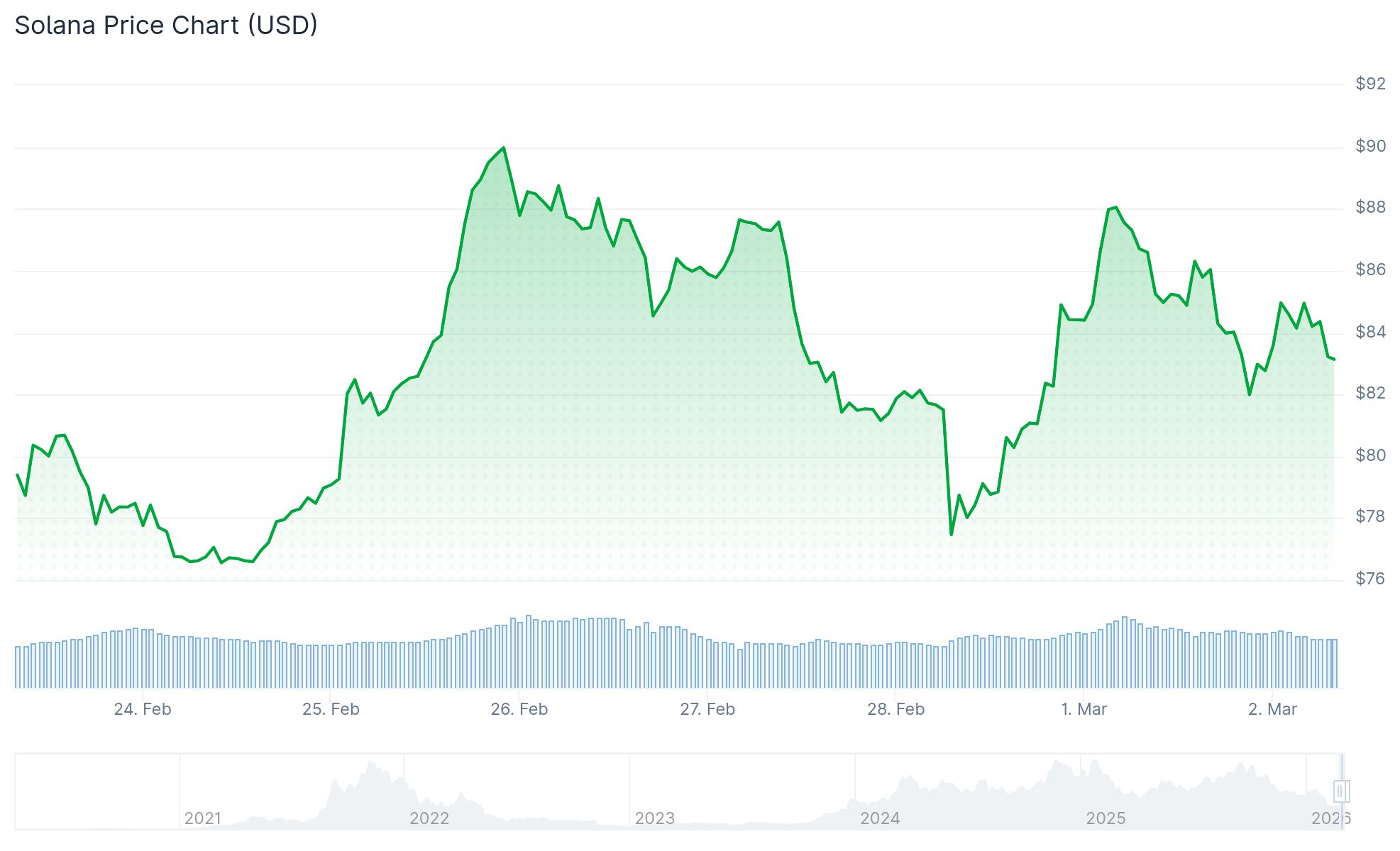
Solana (SOL) Price: Is a Breakout Coming After Four Weeks Stuck in the Same Range?

Solana (SOL) Price: Is a Breakout Coming After Four Weeks Stuck in the Same Range?

TLDR Solana (SOL) has traded in a tight $77–$88 range for nearly four weeks with no clear trend direction US spot Solana ETFs recorded over $44 million in weekly
Share
Coincentral2026/03/02 15:55
South Africa Tax Collector Deploys New Tech to Track Crypto and Offshore Assets

South Africa Tax Collector Deploys New Tech to Track Crypto and Offshore Assets

The post South Africa Tax Collector Deploys New Tech to Track Crypto and Offshore Assets appeared on BitcoinEthereumNews.com. South African crypto-asset service
Share
BitcoinEthereumNews2026/03/02 16:33
Crypto Futures Liquidation: Unpacking the Stunning $105 Million Market Shock

Crypto Futures Liquidation: Unpacking the Stunning $105 Million Market Shock

BitcoinWorld Crypto Futures Liquidation: Unpacking the Stunning $105 Million Market Shock The cryptocurrency market just experienced a sudden jolt, with a staggering $105 million worth of futures liquidated in a single hour. This dramatic event, part of a larger $311 million wipeout over the past 24 hours, has sent ripples across major exchanges. For many traders, this recent wave of crypto futures liquidation serves as a stark reminder of the inherent volatility and risks associated with leveraged trading in digital assets. What Exactly is Crypto Futures Liquidation? Understanding what happened requires a quick look at futures trading. A crypto futures contract is essentially an agreement to buy or sell a cryptocurrency at a predetermined price on a specified future date. Traders use these contracts to speculate on future price movements without owning the underlying asset. Leverage Amplifies Gains and Losses: Many traders utilize leverage, which means they borrow funds to increase their trading position beyond their initial capital. While leverage can magnify profits, it also significantly amplifies potential losses. Margin Calls and Forced Selling: When the market moves against a leveraged position, a trader’s margin (the collateral they put up) might fall below a required threshold. This triggers a “margin call,” where they need to add more funds. If they fail to do so, the exchange automatically closes their position to prevent further losses – this forced closure is known as crypto futures liquidation. The Recent $105 Million Crypto Futures Liquidation: What Triggered It? The recent surge in crypto futures liquidation, particularly the rapid $105 million in one hour, indicates a sharp and unexpected price movement. While the exact catalyst can be complex, such rapid liquidations often occur during: Sudden Price Swings: A rapid upward or downward movement in a major cryptocurrency’s price can quickly push many leveraged positions into unprofitable territory, leading to widespread liquidations. Market-Wide Sentiment Shifts: Unexpected news, regulatory announcements, or macroeconomic data can trigger a sudden shift in market sentiment, causing a cascade of selling or buying pressure. Over the past 24 hours, the total figure climbed to $311 million, highlighting a period of sustained volatility that caught many leveraged traders off guard. Why Does Leverage Play a Crucial Role in Futures Liquidation? Leverage is a double-edged sword. It allows traders to control large positions with relatively small amounts of capital. However, even a minor price fluctuation can have a significant impact on highly leveraged positions. When the market moves contrary to a trader’s bet, their equity can diminish rapidly. This is where the automatic liquidation mechanism kicks in. Exchanges implement this system to protect themselves and other traders from excessive losses. It ensures that a trader’s losses do not exceed their collateral, but it also means positions can be closed unexpectedly and quickly, contributing to the dramatic numbers seen in the recent crypto futures liquidation event. Navigating the Volatility: How Can Traders Prepare for Futures Liquidation Events? For those involved in or considering crypto futures trading, understanding and managing risk is paramount. The recent crypto futures liquidation serves as a powerful lesson. Here are some actionable insights: Use Lower Leverage: While tempting, high leverage dramatically increases risk. Opting for lower leverage significantly reduces the chance of premature liquidation. Implement Stop-Loss Orders: These orders automatically close a position if the price reaches a predetermined level, limiting potential losses before a full liquidation occurs. Manage Position Sizing: Never allocate too much of your portfolio to a single trade, especially a leveraged one. Diversification and responsible position sizing are key. Stay Informed: Keep abreast of market news, technical analysis, and global economic factors that could influence cryptocurrency prices. Beyond the Headlines: What Does This Mean for the Broader Crypto Market? While large-scale crypto futures liquidation events can be unsettling, they are a regular, albeit dramatic, feature of highly leveraged markets. Often, such events can “cleanse” the market of over-leveraged positions, potentially paving the way for more stable price action in the short term. However, they also underscore the need for caution and robust risk management practices, especially for new traders entering the volatile world of crypto futures. The recent $105 million liquidation is a stark reminder that while opportunities abound in crypto, so do significant risks. It emphasizes the importance of understanding the tools you’re using, especially leverage, and trading responsibly to protect your capital. Stay informed, manage your risks, and approach the market with a clear strategy. Frequently Asked Questions About Crypto Futures Liquidation Q1: What is the primary cause of crypto futures liquidation? A1: The primary cause is typically a sudden and significant price movement in the underlying cryptocurrency that goes against a trader’s leveraged position, causing their margin to fall below the exchange’s required maintenance level. Q2: How can traders avoid liquidation in futures trading? A2: Traders can reduce their risk of liquidation by using lower leverage, setting stop-loss orders to automatically close positions at a certain loss level, managing their position sizes responsibly, and continuously monitoring market conditions. Q3: Does liquidation only happen with leveraged positions? A3: Yes, liquidation specifically refers to the forced closure of a leveraged position when the trader’s collateral (margin) is insufficient to cover potential losses. Spot trading, where you own the asset outright, does not involve liquidation in the same manner. Q4: Is a crypto futures liquidation event bad for the entire market? A4: While immediate liquidations can cause further price volatility and negatively impact sentiment, some analysts view them as a “cleansing” event that removes excessive leverage from the market, potentially leading to a healthier, more stable environment in the long run. However, it certainly signifies a period of heightened risk. Q5: What is the difference between a margin call and liquidation? A5: A margin call is a notification from the exchange that your margin level is too low and you need to deposit more funds to maintain your position. Liquidation is what happens if you fail to meet that margin call; the exchange automatically closes your position to prevent further losses. Understanding market dynamics like crypto futures liquidation is crucial for navigating the cryptocurrency space. If you found this article insightful, please share it with your network on social media to help others better understand these significant market events and trade more responsibly. To learn more about the latest crypto market trends, explore our article on key developments shaping Bitcoin price action. This post Crypto Futures Liquidation: Unpacking the Stunning $105 Million Market Shock first appeared on BitcoinWorld.
Share
Coinstats2025/09/19 23:40