

XRP vs Ethereum: A Complete Investment Comparison for 2025
Key Takeaways
- Ethereum stands as the dominant smart contract blockchain with extensive applications in DeFi, NFTs, stablecoins, and asset tokenization
- XRP serves a specialized role in cross-border payments and institutional settlements, representing a more focused investment thesis
- Ethereum’s expansion through Layer 2 solutions, robust developer engagement, and diversified use cases provides multiple revenue streams
- XRP presents greater upside possibilities but relies significantly on widespread institutional implementation becoming reality
- Franklin Templeton’s XRP ETF application signals growing institutional curiosity, though actual network utilization remains behind market expectations
When weighing Ethereum against XRP, investors face fundamentally different value propositions. This decision extends beyond simple token selection—it represents choosing between contrasting technological visions and business strategies.
Ethereum operates as a comprehensive smart contract infrastructure. Its network supports decentralized financial protocols, digital collectibles, stablecoin issuance, tokenized real-world assets, and countless decentralized applications. In contrast, XRP targets a specific niche: facilitating rapid payment transfers and serving as a bridge currency for institutional financial settlements.
Network Effects Drive Ethereum’s Competitive Position
Ethereum maintains a substantial advantage through accumulated network momentum. The platform attracts builders because essential elements already exist: active user bases, deep liquidity pools, mature development tools, and established infrastructure. This creates a self-reinforcing dynamic where new applications attract additional users, growing user numbers increase available liquidity, and expanded liquidity draws more developers to the ecosystem.
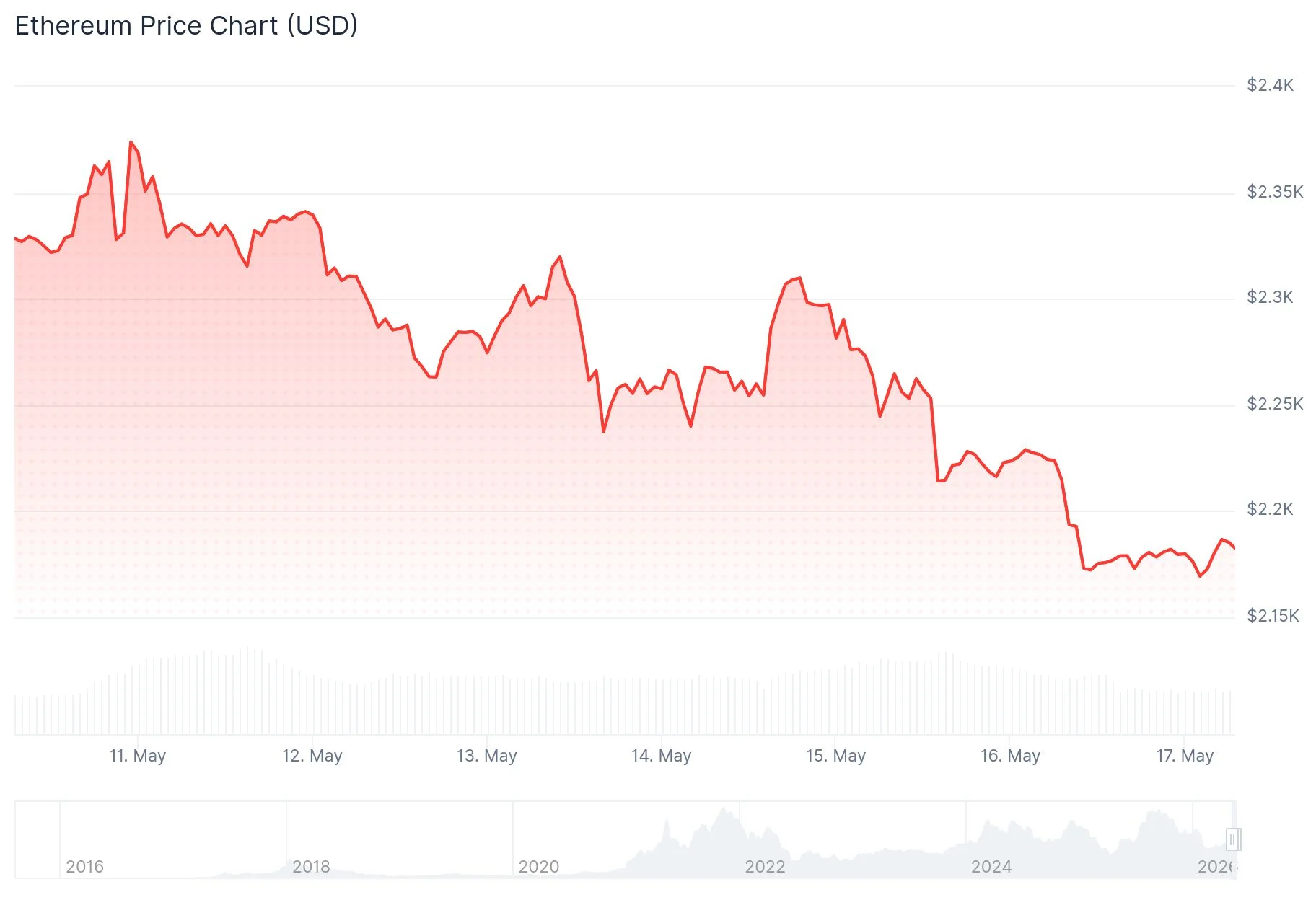 Ethereum (ETH) Price
Ethereum’s evolution now includes Layer 2 scaling solutions. These networks dramatically lower transaction fees while maintaining Ethereum as the foundational settlement layer. This architectural shift transforms Ethereum from a single blockchain into an interconnected financial infrastructure.
This structural diversity matters significantly for investment considerations. Ethereum benefits from numerous expansion vectors: decentralized finance protocols, stablecoin infrastructure, institutional exchange-traded funds, staking mechanisms, real-world asset tokenization, and Layer 2 network activity. This variety creates resilience through multiple potential success pathways.
XRP lacks comparable ecosystem breadth. While the XRP Ledger delivers speed and efficiency, it hasn’t developed a substantial application layer. Its value proposition remains concentrated within payment corridors and institutional settlement use cases.
XRP Presents Greater Return Potential Alongside Elevated Risk
XRP currently holds approximately $87 billion in market capitalization, positioning it below Ethereum’s valuation. Should XRP successfully capture significant institutional payment volume combined with ETF-driven demand, the token could experience substantial appreciation from present levels.
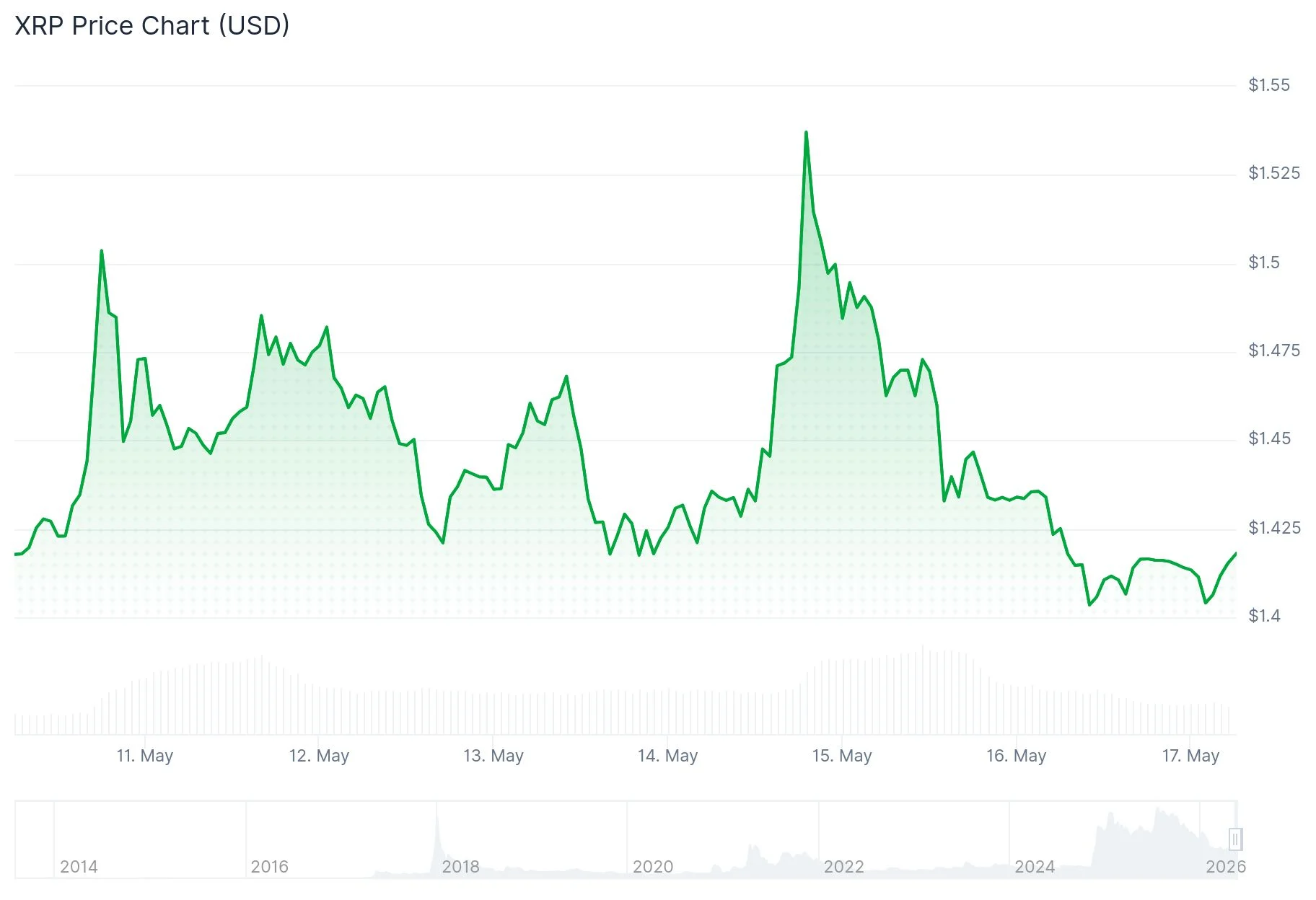 XRP Price
Ripple has indicated that proposed XRP exchange-traded funds have generated notable institutional attention. Reuters documented Franklin Templeton’s XRP ETF filing, demonstrating that traditional asset managers are expanding their cryptocurrency offerings beyond Bitcoin.
However, XRP’s primary vulnerability lies in the gap between narrative and actual adoption. Financial institutions might favor alternative solutions: fiat-backed stablecoins, permissioned blockchain systems, Ethereum-based tokenization frameworks, or forthcoming central bank digital currencies. Should these alternatives gain traction, XRP’s growth trajectory would face significant headwinds.
Ethereum faces distinct challenges as well. Network congestion can drive transaction costs higher during peak demand periods. Solana presents ongoing competitive pressure. Citi analysts have highlighted Ethereum’s vulnerability to fluctuations in network activity and evolving regulatory frameworks. Additionally, transaction volume has increasingly migrated toward Layer 2 networks rather than the main chain.
Nevertheless, Ethereum maintains diversified growth opportunities. XRP fundamentally depends on institutional payment adoption reaching critical mass. Ethereum’s success doesn’t hinge on any single use case materializing.
For investors prioritizing balanced exposure with established fundamentals, Ethereum delivers superior ecosystem depth, stronger developer momentum, and more robust liquidity. XRP suits those comfortable accepting concentrated risk in exchange for potentially asymmetric returns should the institutional payment thesis fully materialize.
The post XRP vs Ethereum: A Complete Investment Comparison for 2025 appeared first on Blockonomi.


You May Also Like

Iran Plans New Strait of Hormuz Transit System With Vessel Fees

Spot CVD Chart Reveals Critical Bitcoin Support Levels as Institutional Orders Surge on April 2




