

GAIN Act: Senate Passes AI Chip Priority Bill That Could Impact Crypto Mining

The GAIN AI Act, included in the annual defense spending bill, sailed through the Senate with a 77-20 vote, but faces an uncertain future that could affect crypto miners worldwide.
What the GAIN Act Does
The Guaranteeing Access and Innovation for National Artificial Intelligence Act of 2025 changes how companies like Nvidia and AMD can sell their high-performance chips. Under the new rules, these manufacturers must prioritize American buyers before shipping products overseas, especially to China and other nations considered security concerns.
The law sets specific technical standards for which chips fall under these restrictions. Any processor with a total processing performance score of 2,400 or higher would need special approval for export. Chips scoring 4,800 or above—including Nvidia’s H100 and B300 models—would face complete export bans.
Companies wanting to export chips must prove several things: US customers got first chance to buy, no American orders are waiting, foreign buyers aren’t getting better prices, and exports won’t reduce manufacturing capacity for domestic purchasers.
Senator Elizabeth Warren, who co-sponsored the bill, stated: “Today, the Senate acted to make sure American customers—including small businesses and startups—aren’t forced to wait in line behind China’s tech giants when purchasing the latest AI chips.”
Industry Pushback and White House Concerns
Nvidia strongly opposes the legislation. The company called the proposal “doomer science fiction” and argued it solves a problem that doesn’t exist. Nvidia maintains its worldwide sales don’t hurt American customers and actually help US businesses by expanding markets.
The chip maker’s data shows the United States already represents nearly half its business. In fiscal 2024, America accounted for 49.9% of Nvidia’s revenue, while China made up just 13%.
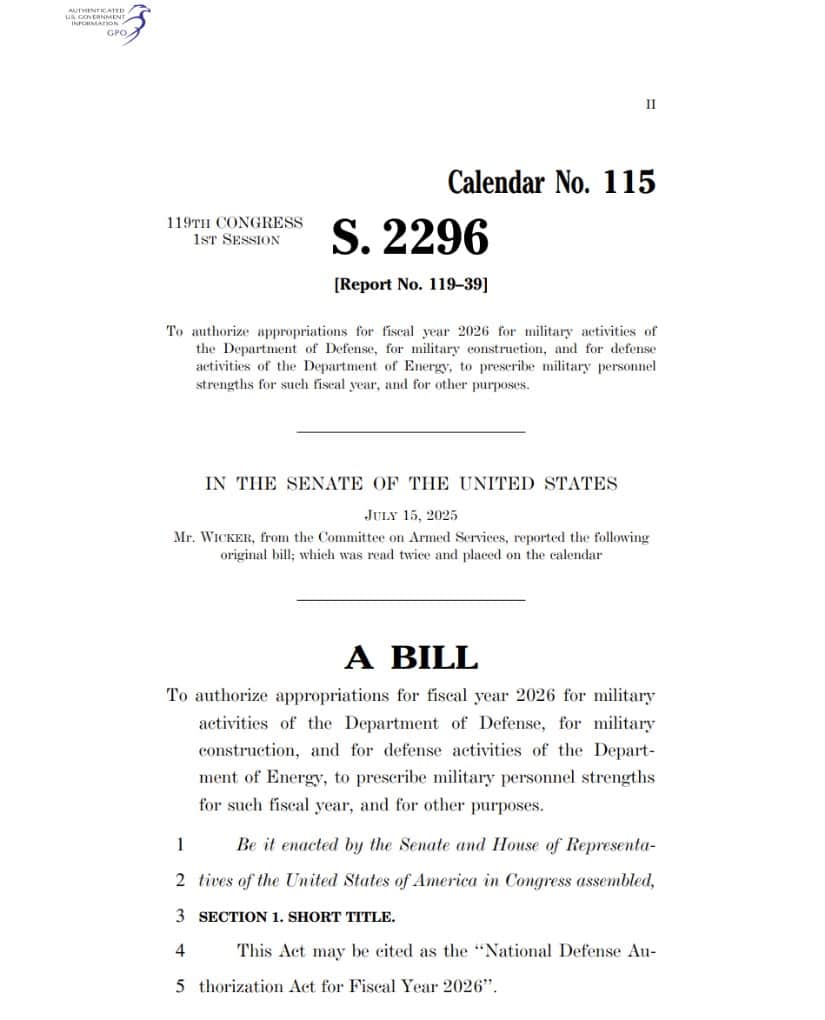
Source: Congress.gov
The White House also has reservations. David Sacks, the administration’s lead advisor on AI and crypto, has urged senators to remove the GAIN Act from the defense bill. The Trump administration prefers deregulation and wants to expand US tech exports rather than restrict them.
Why It Matters for Crypto Miners
While the GAIN Act targets AI and high-performance computing chips, crypto miners could face unintended consequences. The legislation doesn’t specifically mention cryptocurrency mining, but it could create supply chain problems for mining operations.
Crypto miners rely on powerful graphics processing units to verify blockchain transactions and earn digital currency. When chip manufacturers must fulfill all domestic orders first, global miners may face longer wait times and higher prices for equipment.
Export restrictions could tighten hardware availability for international mining operations. Congressional approval requirements for high-end processor exports might create licensing delays that reduce chip volumes available to miners. This squeeze on supply typically leads to higher equipment costs and smaller profit margins.
Recent trade enforcement already caused headaches for US mining companies. CleanSpark faced $185 million in claims from customs officials over imported equipment. The GAIN Act could add another layer of complexity to an already difficult procurement environment.
Some analysts warn miners should prepare for immediate hardware bottlenecks if the law takes effect. Recommended strategies include securing earlier purchase commitments, diversifying suppliers, and exploring secondary markets for used equipment.
The Legislative Path Forward
The GAIN Act passed the Senate but hasn’t become law yet. The House of Representatives already passed its version of the defense bill in September—without the chip priority provision. Now both chambers must negotiate a compromise through a conference committee.
This means the final law could look different from what the Senate approved. The provision might get modified, weakened, or removed entirely during negotiations. Several factors will influence the outcome: House Republican preferences, White House pressure to remove restrictions, and lobbying from chip manufacturers.
Supporters argue America needs to secure its AI infrastructure during a time of global competition. Brad Carson, President of Americans for Responsible Innovation, said advanced chips are “currently supply-constrained, which means that every advanced chip sold abroad is a chip the US can’t use to accelerate American R&D and economic growth.”
Critics counter that the restrictions would backfire. They argue limiting exports weakens American companies’ global competitiveness and hurts the same domestic buyers the law aims to protect. Reduced revenue from international sales means less money for research and development of next-generation chips.
The debate reflects broader tensions between national security concerns and free market principles. Similar discussions played out during previous chip export control debates under both Trump and Biden administrations.
Timing and Market Context
The legislation arrives as the semiconductor industry navigates multiple challenges. Trade tensions between the US and China continue to escalate. Tariffs and export controls already complicate international chip sales.
Meanwhile, demand for high-performance processors remains strong across multiple sectors. AI development, gaming, data centers, and yes—cryptocurrency mining—all compete for limited chip supplies. Manufacturing capacity struggles to keep pace with orders, creating months-long backlogs for advanced processors.
Recent data suggests crypto mining activity has slowed compared to previous years. Bitcoin mining difficulty decreased in early 2025, and US-based mining companies scaled back hardware orders in late 2024. This cooling period might cushion some impact if chip restrictions tighten supply further.
The Bottom Line
The GAIN Act represents a potential shift in how America manages strategic technology exports. For crypto miners, the threat isn’t immediate but bears watching. Supply chain disruptions could materialize within months if the law passes and manufacturers reprioritize shipments.
Miners should monitor House negotiations on the defense bill and prepare contingency plans regardless of the outcome. Diversifying equipment suppliers and maintaining larger inventories would help buffer against potential shortages. The legislative process will likely conclude before year-end, bringing clarity to an uncertain situation.


You May Also Like

The World Cup and XRPPower launch a smart app, enabling XRP or BTC users to earn up to $100000 daily

BitGo Singapore and dtcpay Join Forces to Scale Digital Asset Payment Solutions

Egrag Crypto: Here’s Why XRP Is Now Inside a Range-Rebuild Phase



