Nvidia lands $2 billion Kazakhstan AI chip deal as stock sheds $450 billion in market cap
Nvidia signed a $2 billion chip deal with Kazakhstan this week, locking in an agreement for high-end AI processors as the Central Asian country races to build out its national tech ambitions.
The agreement was reported by Bloomberg and comes as Nvidia faces a brutal three-day market crash that’s erased $450 billion in market value.
While Kazakhstan deepens its AI commitment, Wall Street is offloading Nvidia shares at record pace, hammering the company with its worst stock decline since early January.
President Kassym-Jomart Tokayev is pushing to turn Kazakhstan into a heavyweight in Eurasia’s future economy.
In a speech delivered in late September, president Tokayev said the country is working to become a full digital power within three years, mostly through a new government body: the Ministry of Artificial Intelligence and Digital Development, which replaces the previous Digital Ministry and now serves as the main structure overseeing AI integration across government, science, and industry.
The transition isn’t just branding. The previous ministry managed projects in space, cybersecurity, public services, innovation, and digitization. That same structure will now be powered by AI to reshape those pillars.
By August 2024, 93% of government services in Kazakhstan were already running online. National internet coverage was nearly universal at 92.9%, just barely under Germany’s level.
Kazakhstan makes AI bet while U.S. douses chip optimism
The new AI ministry will also advise Tokayev directly through a presidential AI Development Council.
Olaf Groth, a German-American council member, said the goal is not just digitization, but cognification; developing systems that think, analyze, and act.
Kazakhstan plans to leverage Nvidia’s chips to build compute capacity for everything from university research to national AI labs. It’s a move to position the country as a regional broker for artificial intelligence development and services.
As Kazakhstan goes all-in, Nvidia’s stock is collapsing. On Thursday, the company’s shares dropped 3.6%, leading the entire tech sector lower. The fall started earlier in the week after comments from David Sacks, the Trump administration’s artificial intelligence and crypto policy lead.
In a post on X, Sacks said, “There will be no federal bailout for AI. The U.S. has at least five major frontier model companies. If one fails, others will take its place.” He added, “I don’t think anyone was actually asking for a bailout. (That would be ridiculous.) But company executives can clarify their own comments.”
Sacks was reacting to a statement made the day before by Sarah Friar, the CFO of OpenAI, during a Wall Street Journal event. Friar had said OpenAI might benefit from a government guarantee to help finance AI chip infrastructure.
That comment triggered immediate backlash. Sam Altman, OpenAI’s CEO, later denied the company was requesting any government support or protection from failure.
AI giants scramble as valuations wobble and China pressure builds
The entire chip sector has been under pressure since Wednesday when Qualcomm released solid earnings, but investor fear around AI overvaluation tanked sentiment across the board.
Analysts are flagging that top AI companies Nvidia, AMD, Oracle, Broadcom, CoreWeave, and even Amazon are getting too entangled, with shared supply chains and overlapping partnerships making the sector/make look a tad too fragile.
Things got worse for Nvidia after CEO Jensen Huang made headlines for saying China “will win” the AI race in a comment given during an interview with the Financial Times.
Jensen followed up later on X, posting that China was only “nanoseconds behind” the U.S., but stressed, “It’s vital that America wins by racing ahead and winning developers worldwide.”
Get seen where it counts. Advertise in Cryptopolitan Research and reach crypto’s sharpest investors and builders.


You May Also Like
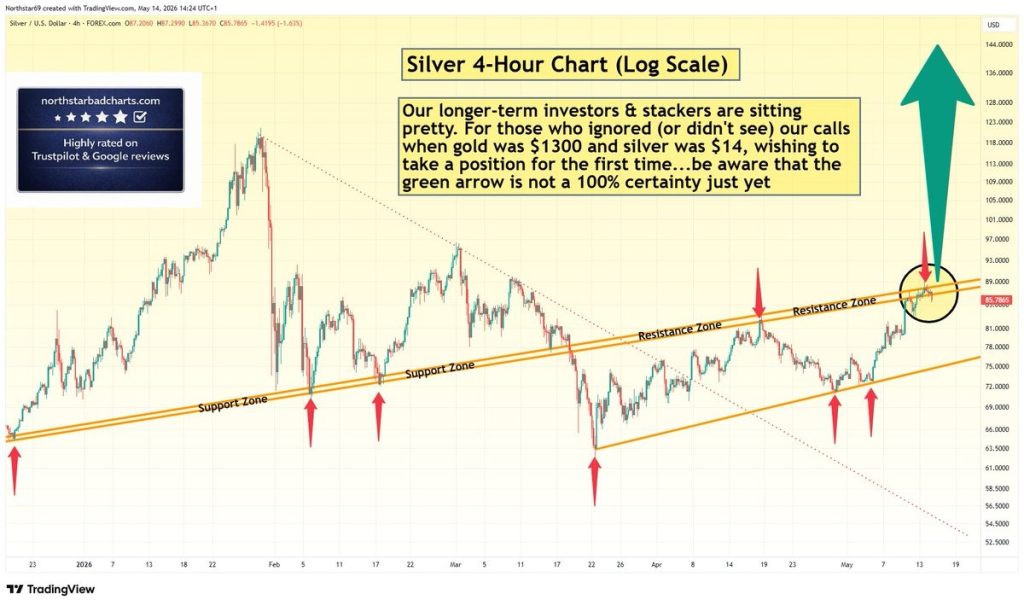
Silver Price Warning: Green Arrow Setup Is Not Confirmed – Wait for Clear Signal

Facebook spotlights African cinema in 6th ‘Made by Africa, loved by the world’ campaign