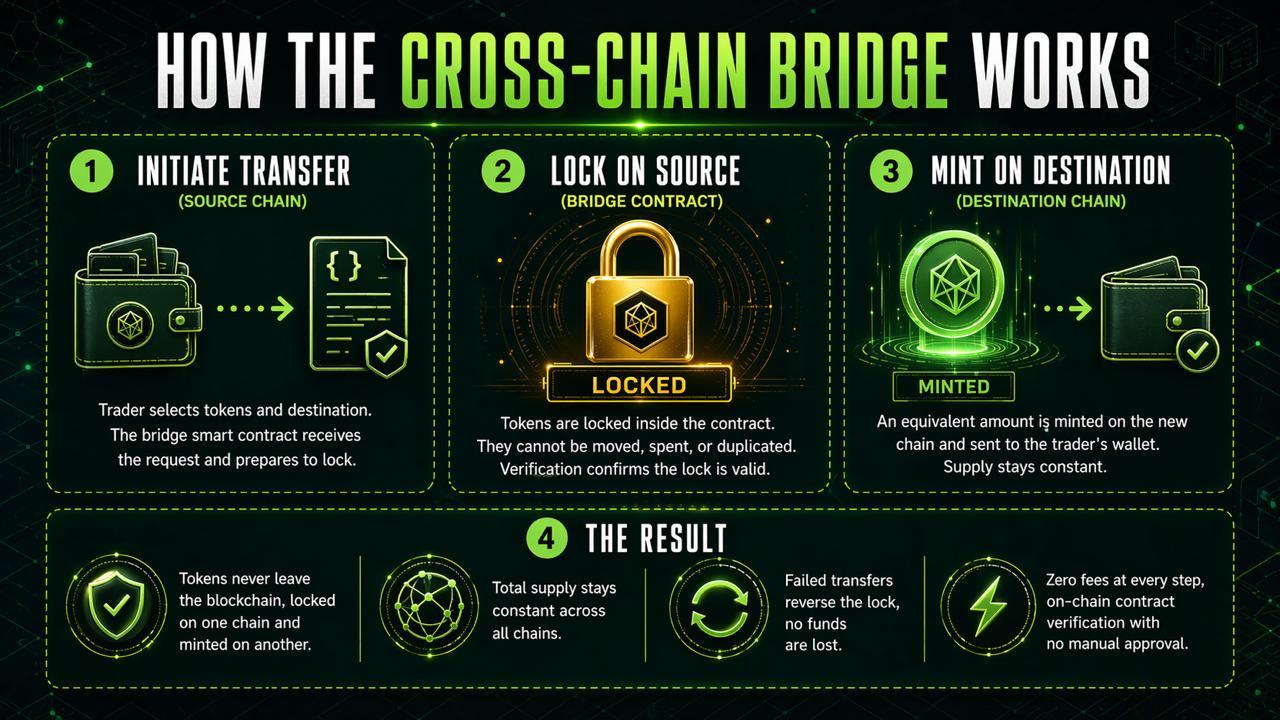
Western Union is integrating Solana blockchain to develop its own token, wallet, and settlement network, aiming to launch a stablecoin-like “stable card” for inflation-hit regions by 2026. This move protects remittances from value erosion in volatile economies.
-
Western Union shifts to blockchain for secure, efficient global transfers using Solana’s high-speed network.
-
The initiative includes a US Dollar Payment Token (USDPT) co-developed with Anchorage Digital Bank for stable value storage.
-
With operations in 200 countries, Western Union leverages its reach to distribute the token via retail counters, targeting 40% of GDP in some remittance-dependent nations.
Discover how Western Union Solana integration revolutionizes remittances with a new token and wallet system. Protect funds from inflation—explore the future of digital payments today.
What is Western Union Doing with Solana for Its Token and Settlement Network?
Western Union Solana integration marks a pivotal shift for the legacy financial services provider into blockchain technology. The company is building a comprehensive ecosystem featuring its own stable token, digital wallet, and a settlement network powered by Solana’s efficient blockchain. This strategy addresses longstanding challenges in cross-border payments, particularly in high-inflation environments, by offering a “stable card” that preserves the value of incoming funds.
How Does Western Union’s Stable Card Protect Against Inflation?
Western Union’s stable card represents an evolution of its traditional prepaid offerings, now enhanced with blockchain stability. In countries like Argentina, where inflation rates exceeded 200% annually according to recent economic reports from the International Monetary Fund, traditional remittances lose significant purchasing power within weeks. The card, pegged to a dollar-based asset, shields recipients from such devaluation, allowing funds to retain value until spent.
Executives, including CFO Matthew Cagwin, highlighted this need during discussions at global technology forums. Cagwin noted that a $500 remittance could effectively diminish to $300 in real terms due to spiraling prices, emphasizing the urgency for digital solutions. By integrating Solana, Western Union ensures fast, low-cost transactions—Solana processes over 65,000 transactions per second at fractions of a cent per transfer, per blockchain analytics from sources like Messari.
The stable card will function similarly to existing U.S. prepaid cards but with added blockchain security. Users can receive funds at Western Union agents worldwide and load them onto the card, which holds value in a stable digital asset. This not only combats inflation but also reduces reliance on cash handling, cutting operational costs by up to 30%, based on internal projections cited in financial disclosures.
Beyond the card, the ecosystem includes a proprietary token. Western Union plans to issue a dollar-pegged stablecoin, tentatively branded as WUUSD, covering wallet services, trading, and payments. Trademark filings with the United States Patent and Trademark Office confirm applications for WUUSD, encompassing digital asset management features. This self-issued token allows Western Union to maintain control over compliance and economics, avoiding dependencies on third-party providers like Tether or Circle.
The backbone of this initiative is the Digital Asset Network (DAN), a settlement platform set to launch in the first half of 2025. DAN connects Western Union with on-ramp and off-ramp providers, enabling seamless conversion between fiat and digital assets. Built on Solana, it capitalizes on the blockchain’s scalability and low fees, making it ideal for high-volume remittance flows that total over $700 billion globally each year, according to World Bank data.
Industry observers, including analysts from Deloitte’s fintech division, praise this approach for its practicality. “Western Union’s global footprint in 200 jurisdictions positions it uniquely to drive stablecoin adoption at the grassroots level,” said a Deloitte report on blockchain in remittances. Retail counters, where remittances often account for a significant portion of local GDP—up to 25% in nations like the Philippines—will serve as distribution points for the token and wallet.
The choice of Solana underscores Western Union’s focus on performance. Unlike Ethereum’s higher gas fees during peak times, Solana’s proof-of-history consensus enables near-instant settlements, crucial for real-time value preservation. The US Dollar Payment Token (USDPT), co-developed with Anchorage Digital Bank—a federally chartered crypto bank—will debut in 2026 via exchange partners, ensuring regulatory compliance under U.S. frameworks.
This multi-layer strategy transforms Western Union from a mere transfer facilitator into a digital asset competitor. In inflation-prone regions, where local currencies depreciate rapidly, the stable card and token offer a lifeline. For instance, in Venezuela, hyperinflation has eroded savings overnight; Western Union’s solution could stabilize inflows for millions of migrant workers sending money home.
From a broader perspective, this aligns with growing institutional adoption of blockchain. Reports from Chainalysis indicate that stablecoin transaction volumes surpassed $6 trillion in 2024, with remittances comprising a rising share. Western Union’s entry, backed by its 150-year legacy, could accelerate this trend, blending traditional finance with decentralized technology.
Frequently Asked Questions
What is the Timeline for Western Union’s Solana-Based Token Launch?
The Digital Asset Network launches in early 2025, with the full USDPT rollout planned for 2026. This phased approach allows testing in select markets before global expansion, ensuring stability and regulatory adherence across 200 jurisdictions.
Why Did Western Union Choose Solana Over Other Blockchains?
Western Union selected Solana for its superior speed and cost-efficiency, processing thousands of transactions per second at minimal fees. This suits high-volume remittances, outperforming slower networks like Ethereum, while maintaining the security needed for financial services.
Key Takeaways
- Blockchain Pivot: Western Union is evolving its remittance model with Solana-powered tools to handle digital assets securely and efficiently.
- Inflation Shield: The stable card and USDPT protect funds in volatile economies, preserving value where traditional cash fails, supported by data from economic bodies like the IMF.
- Global Scale: Leveraging 200-country operations, Western Union aims to integrate tokens at retail points, potentially capturing a larger share of the $700B remittance market—start monitoring updates for investment opportunities.
Conclusion
Western Union’s integration of Solana for its token, wallet, and settlement network signals a bold step toward blockchain dominance in remittances. By introducing the stable card and USDPT, the company addresses critical pain points like inflation in emerging markets, drawing on its vast infrastructure for widespread adoption. As digital assets gain traction, this strategy positions Western Union as a leader in the fusion of traditional and crypto finance—stay informed to navigate the evolving landscape of global payments.
Source: https://en.coinotag.com/western-union-explores-solana-for-stable-token-and-settlement-network