

Vitalik outlined the Ethereum execution layer roadmap, focusing on two major changes: the state tree and the virtual machine.
On March 2nd, PANews reported that Ethereum co-founder Vitalik Buterin outlined the Ethereum execution layer roadmap on social media, focusing on two major changes: the state tree and the virtual machine. Regarding the state tree, Vitalik supports upgrading the current hexadecimal Merkle Patricia tree to a binary tree based on a more efficient hash function via EIP-7864. This change can shorten Merkle branches by four times, reducing bandwidth costs for client-side data verification; simultaneously, the hash function can be changed to Blake3 or Poseidon series, significantly improving proof efficiency. The binary tree design also groups storage slots into "pages," making access costs between adjacent storage locations lower, saving many DeFi applications over 10,000 Gas per transaction. Furthermore, the simpler binary tree structure allows for the reservation of metadata bits for future state expiration functionality.
Regarding virtual machines, Vitalik proposed a long-term direction of replacing the EVM, potentially adopting a RISC-V architecture. The new VM needs to meet four goals: higher raw execution efficiency, making most pre-compiled code unnecessary; superior proof efficiency compared to the EVM; support for client-side ZK proof generation; and maximum code simplification. He pointed out that while Ethereum is "sufficient" at the "EVM+GPU" level, a better VM would make the protocol more robust. The deployment roadmap consists of three steps: the new VM will initially replace pre-compiled code; subsequently, users will be allowed to deploy contracts based on the new VM; and finally, the EVM will be retired, replaced by smart contracts written with the new VM, achieving full backward compatibility.


You May Also Like

5 Features Every AI Trading Agent Will Expect From DeFi

Iran threatens retaliation as Trump vows to “hit hard,” crypto market under stress
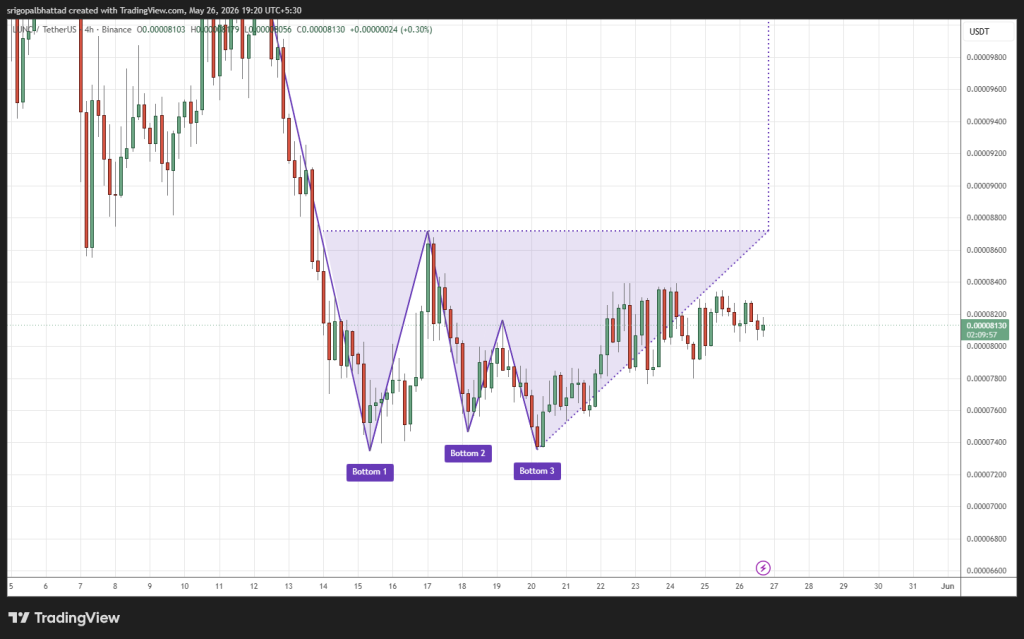
Terra Luna Classic Bulls Refuse to Give Up: Another LUNC Rally Seems Close



