

Google Introduces Advanced ‘Vibe Coding’ Experience To Streamline AI App Development
Technology firm Google has introduced an updated “vibe coding” experience within Google AI Studio, aimed at transforming user prompts into fully deployable applications. The enhancement is intended to streamline development workflows by enabling the creation of functional, AI-driven software without requiring developers to leave the platform.
Central to the update is the new Google Antigravity agent, which is designed to shorten the transition from initial concept to production-ready output. The system incorporates integrated backend capabilities, including secure data storage and authentication features, supported through built-in Firebase services.
According to the company, the upgraded environment supports the development of real-time, multi-user applications such as collaborative tools and multiplayer games. The coding agent is able to recognize when applications require databases or user authentication, and, upon approval, automatically provisions services such as Cloud Firestore and Firebase Authentication for secure access management.
App Development Capabilities Expanded With AI Integration
The platform also leverages a broad range of modern web technologies, enabling features like advanced animations and interface components by automatically integrating tools such as Framer Motion or Shadcn when needed. Additionally, developers can connect applications to external services by securely incorporating API credentials, which are managed through a dedicated secrets storage system.
Further enhancements include persistent project continuity across devices and sessions, allowing work to resume seamlessly after interruptions. The updated agent also demonstrates improved contextual awareness, maintaining an understanding of project structures and prior interactions to support more efficient iteration and complex code generation.
Support for additional development frameworks has been expanded, with Next.js now included alongside existing compatibility with React and Angular.
The updated system enables the creation of a range of applications, including real-time multiplayer games, collaborative 3D environments, physics-based simulations, and tools that integrate live data from external sources such as mapping services. Examples highlighted include interactive gaming experiences, shared virtual workspaces, and applications for managing and generating content such as recipes.
Google reported that the new development environment has already been used internally to produce a large volume of applications. The company indicated that further integrations are in development, including connections to Workspace tools such as Drive and Sheets, as well as streamlined deployment options between AI Studio and Antigravity.
The release reflects a broader effort by Google to simplify application development and accelerate the process of turning conceptual ideas into operational software.
The post Google Introduces Advanced ‘Vibe Coding’ Experience To Streamline AI App Development appeared first on Metaverse Post.


You May Also Like

EUR/GBP Exchange Rate Surges as Bank of England Rate Hike Expectations Intensify – Market Analysis
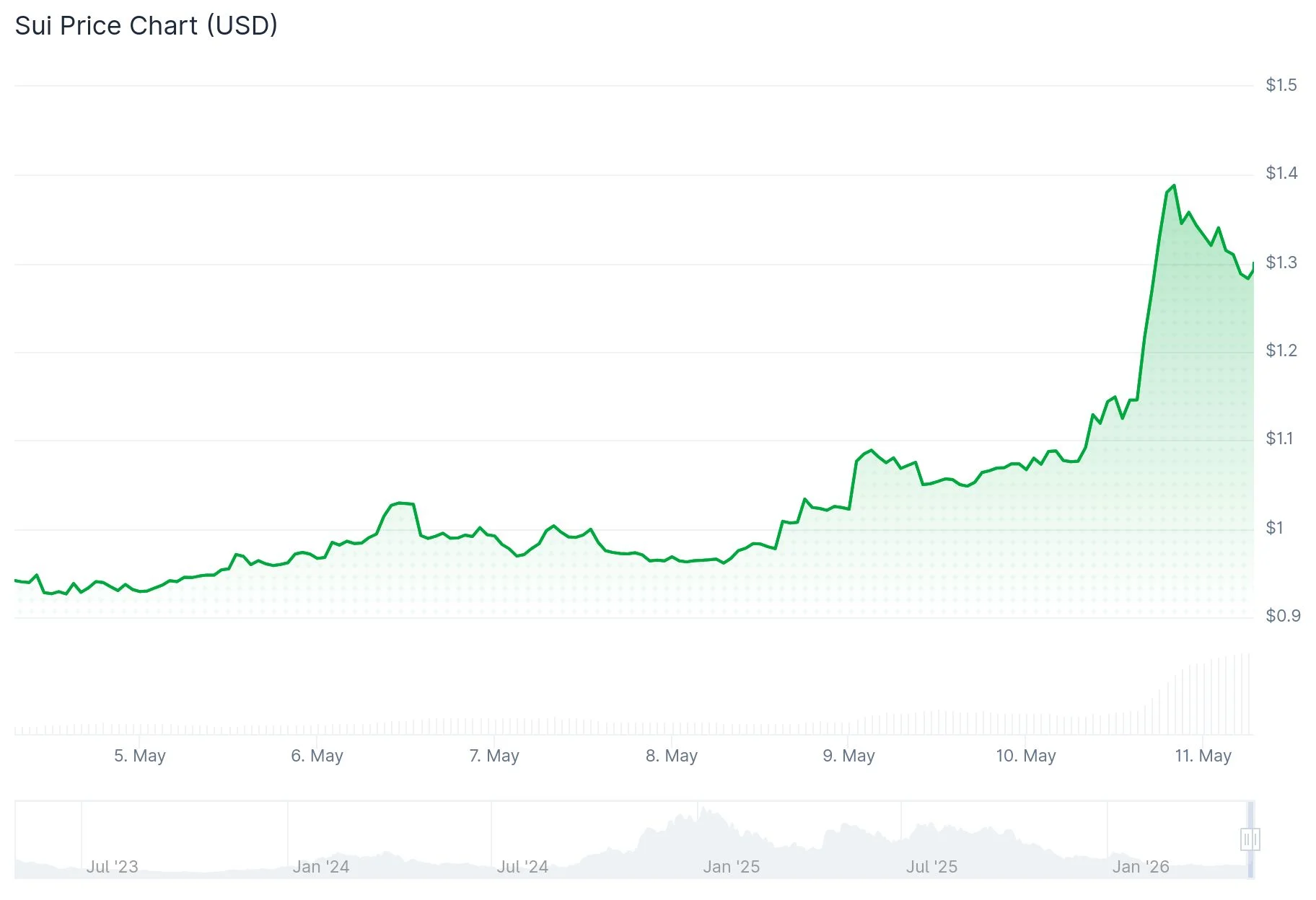
Sui (SUI) Token Rockets 50% Weekly on Institutional Staking and Privacy Tech Rollout




