Crypto Futures Liquidations Surge: $140M Forced Unwind Reveals Critical Market Pressure Points
BitcoinWorld
Crypto Futures Liquidations Surge: $140M Forced Unwind Reveals Critical Market Pressure Points
Global cryptocurrency markets experienced significant turbulence over the past 24 hours, with approximately $140 million in futures positions forcibly closed across major exchanges. This substantial liquidation event highlights mounting pressure on leveraged traders as Bitcoin and Ethereum demonstrate divergent market behaviors. Market analysts closely monitor these forced unwinds for signals about trader sentiment and potential price direction.
Crypto Futures Liquidations Reveal Market Divergence
Perpetual futures markets witnessed forced position closures totaling $87.99 million for Bitcoin and $46.29 million for Ethereum during the recent trading session. Interestingly, Bitcoin liquidations predominantly affected long positions at 52.64%, while Ethereum liquidations overwhelmingly impacted short positions at 53.42%. This divergence suggests contrasting trader expectations for the two leading cryptocurrencies. Market structure analysts note that such patterns often precede significant price movements as excessive leverage gets removed from the system.
Perpetual futures contracts, unlike traditional dated futures, lack expiration dates and maintain their price alignment with spot markets through funding rate mechanisms. These instruments have become increasingly popular among cryptocurrency traders seeking leverage, sometimes exceeding 100x on certain platforms. Consequently, even modest price movements can trigger cascading liquidations when traders’ collateral falls below maintenance margin requirements. Exchange systems automatically close these positions to prevent negative balances, creating selling or buying pressure depending on position direction.
Bitcoin Longs Face Substantial Pressure
Bitcoin’s $87.99 million liquidation volume represents one of the larger single-day events in recent months, though not unprecedented during periods of heightened volatility. The majority of these liquidations affected long positions, indicating that traders betting on price increases faced margin calls as Bitcoin’s price experienced downward pressure. Historical data shows that concentrated long liquidations often occur during corrective phases after extended rallies, as overleveraged bulls get squeezed from their positions.
Market analysts reference similar patterns from previous market cycles where long liquidations preceded consolidation periods. The current Bitcoin derivatives market shows open interest remaining elevated despite the liquidations, suggesting continued trader participation. Funding rates across major exchanges have normalized following the event, indicating that excessive optimism has been somewhat tempered. This resetting of leverage conditions typically creates healthier foundations for subsequent price movements.
Ethereum Shorts Get Squeezed Amid Network Developments
Ethereum’s liquidation profile presents a contrasting picture, with 53.42% of $46.29 million in forced closures affecting short positions. This pattern suggests traders betting against Ethereum faced unexpected buying pressure, potentially related to positive developments within the Ethereum ecosystem. Recent network upgrades and growing layer-2 adoption have fundamentally strengthened Ethereum’s value proposition, creating headwinds for bearish traders.
The Ethereum derivatives market has matured significantly alongside the network’s technological evolution. Futures volumes now regularly compete with Bitcoin’s across major exchanges, reflecting Ethereum’s established position within cryptocurrency markets. Analysts note that short liquidations often accelerate upward price movements through forced buying, creating feedback loops that can exacerbate volatility. This dynamic appears particularly relevant for Ethereum given its recent performance relative to broader market trends.
Altcoin Liquidations Highlight Concentrated Risks
Beyond the market leaders, several altcoins experienced notable liquidation events, with ONT (Ontology) seeing $6.03 million in forced closures. Remarkably, 80.33% of these liquidations affected short positions, indicating extreme pressure on traders betting against this particular asset. Such concentrated events in smaller market cap cryptocurrencies demonstrate the asymmetric risks present in altcoin futures markets, where liquidity constraints can amplify price movements.
The cryptocurrency derivatives landscape has expanded dramatically since 2020, with numerous exchanges offering futures products for hundreds of digital assets. However, liquidity remains concentrated in Bitcoin and Ethereum markets, creating potentially hazardous conditions for traders utilizing high leverage on less established assets. Risk management professionals emphasize position sizing and stop-loss strategies particularly for altcoin futures, where order book depth cannot always absorb large liquidations smoothly.
Market Infrastructure and Risk Management Evolution
Cryptocurrency exchanges have implemented increasingly sophisticated risk management systems since the volatile markets of previous years. These include partial liquidations, bankruptcy price calculations, and insurance funds designed to absorb losses when liquidations cannot execute at expected prices. Despite these improvements, extreme volatility periods still test exchange infrastructure, as seen during previous market events where cascading liquidations overwhelmed normal operations.
The professionalization of cryptocurrency trading continues advancing, with institutional participants bringing traditional risk management frameworks to digital asset markets. This evolution includes more sophisticated hedging strategies, improved collateral management, and greater utilization of options alongside futures for layered protection. Market observers anticipate further maturation as regulatory clarity improves and traditional financial infrastructure integrates more deeply with cryptocurrency markets.
Conclusion
The recent crypto futures liquidations totaling approximately $140 million demonstrate ongoing volatility in digital asset markets while revealing important divergences between Bitcoin and Ethereum trader positioning. These forced unwinds serve as critical pressure release valves for overleveraged markets, potentially creating healthier foundations for subsequent price discovery. Market participants should monitor liquidation patterns alongside fundamental developments, as these metrics provide valuable insights into trader sentiment and market structure health. As cryptocurrency derivatives markets continue maturing, understanding liquidation dynamics remains essential for informed trading and risk management decisions.
FAQs
Q1: What causes cryptocurrency futures liquidations?
Liquidations occur when a trader’s position loses enough value that their collateral falls below the maintenance margin requirement. Exchanges automatically close these positions to prevent account balances from going negative, creating forced selling or buying in the market.
Q2: Why were Bitcoin long positions liquidated more than shorts?
During the reported period, Bitcoin’s price movement likely created downward pressure that triggered margin calls for traders using leverage to bet on price increases. When prices move against leveraged long positions, those positions get liquidated unless additional collateral is added.
Q3: What does it mean that Ethereum had more short liquidations?
Ethereum’s higher percentage of short liquidations suggests the price moved upward enough to trigger margin calls for traders betting against the asset. This often happens when positive news or buying pressure causes unexpected price increases that squeeze bearish positions.
Q4: How do liquidations affect cryptocurrency prices?
Liquidations can create feedback loops that amplify price movements. Long liquidations require selling, potentially pushing prices lower and triggering more liquidations. Short liquidations require buying, potentially pushing prices higher. This effect is especially pronounced in lower liquidity markets.
Q5: Are futures liquidations a reliable market indicator?
While not predictive on their own, liquidation patterns provide valuable information about market leverage, trader positioning, and potential pressure points. High liquidation volumes often signal excessive leverage being removed from the market, which can precede periods of reduced volatility or trend changes.
This post Crypto Futures Liquidations Surge: $140M Forced Unwind Reveals Critical Market Pressure Points first appeared on BitcoinWorld.


You May Also Like

GOP lawmaker sues ex-wife who accused him of throwing boiling water on her
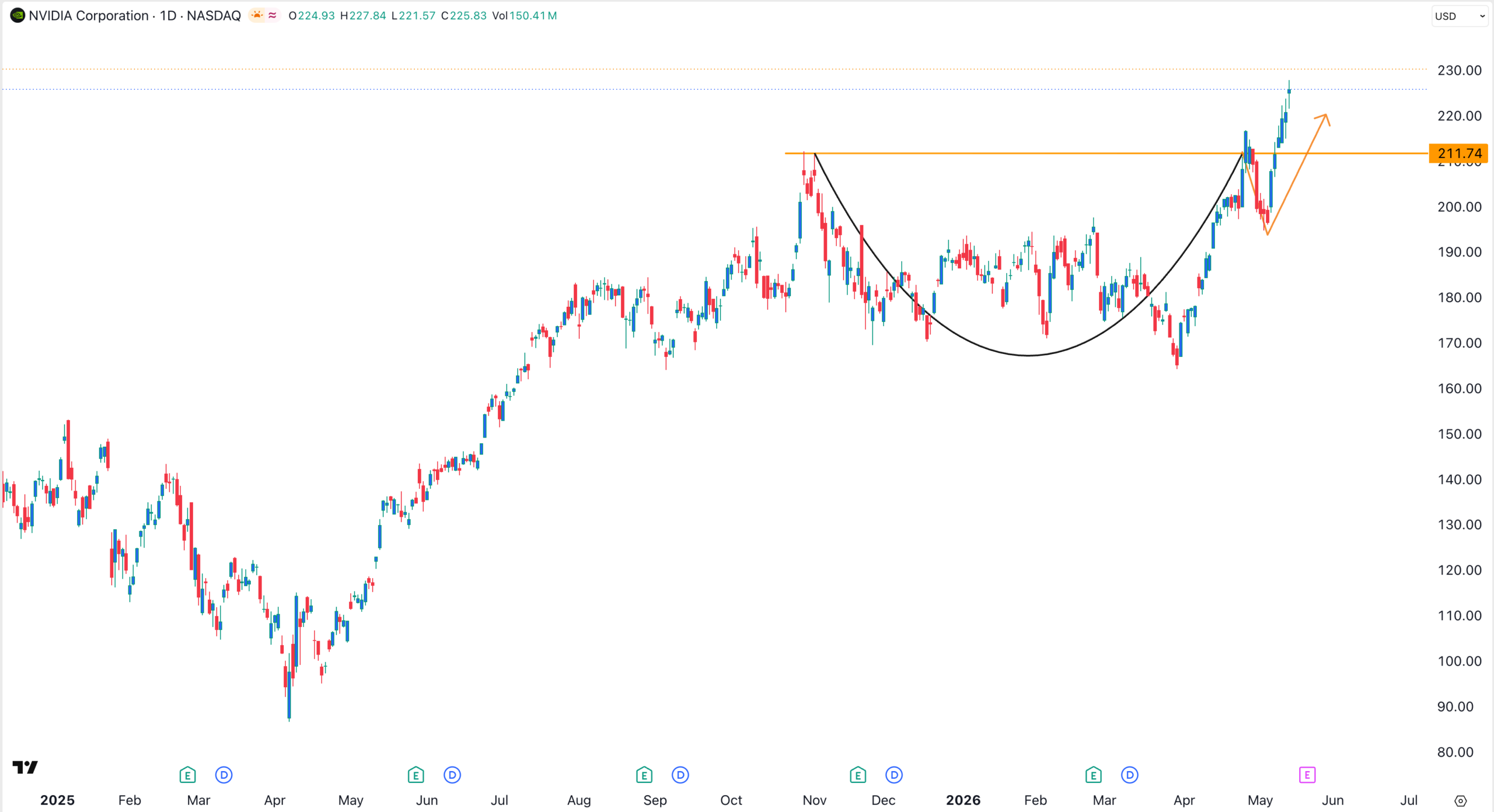
NVIDIA Stock Forecast as the US Clears H200 Chips Sales to China