

Are Meme Coins Real Investments or Just Jokes?
BitcoinWorld
Are Meme Coins Real Investments or Just Jokes?
Are Meme Coins Real Investments or Just Jokes?
Whether meme coins are real investments or just jokes is a question that deserves a genuinely honest answer – because both framings contain some truth. A handful of meme coins have achieved real, sustained market capitalisations; the vast majority are launched as cash grabs and eventually go to zero. This article explains what meme coins actually are, how a small number became legitimate assets, why most are traps, and what Indian users need to understand before touching them.
Are Meme Coins Real Investments or Just Jokes?
The accurate answer is: mostly extreme speculation dressed as entertainment, with a small number of exceptions that achieved genuine staying power.
- Started as jokes: Dogecoin was launched in 2013 as a parody of Bitcoin – it now has a multi-billion dollar market cap and over a decade of continuous operation.
- Most are cash grabs: The vast majority of meme coins are created, promoted briefly, and abandoned – often by the very people who launched them.
- No intrinsic utility: Unlike Bitcoin (store of value) or Ethereum (programmable platform), meme coins typically offer no functional utility – their value is purely speculative.
- Driven by sentiment: Price is determined entirely by social media momentum, influencer promotion, and community hype – not underlying economics.
What Is a Meme Coin, Technically?
Understanding the mechanics explains the risks.
- Usually a token on an existing chain: Most meme coins are ERC-20 or BEP-20 tokens, created quickly using templates – no unique blockchain required.
- Unlimited or massive supply: Many meme coins have trillions or quadrillions of tokens, making the per-token price look tiny and “affordable.”
- Concentrated ownership: Early holders and creators often own large percentages, enabling them to dump on retail buyers at peak price.
- Rug pulls are common: Creators mint tokens, drive up price through promotion, then sell their entire holdings – leaving other buyers with worthless tokens.
Why Have Some Meme Coins Survived and Grown?
A small number have broken the pattern and shown genuine longevity.
- Dogecoin (DOGE): Over 10 years old, widely accepted by merchants, supported by major exchanges, and with a genuine community – it has transcended its joke origins.
- Network effects: Coins with large, active communities develop real staying power beyond any single hype cycle.
- Celebrity and institutional attention: High-profile endorsements (for better or worse) can cement a coin’s position in the market.
- The exception, not the rule: For every Dogecoin that survived, thousands of meme coins launched in the same period are effectively dead.
What Do Indian Investors Need to Know Before Touching Meme Coins?
For users in India, the combination of high risk and India’s tax structure makes meme coins especially unforgiving.
- 30% tax on gains, no loss offset: India taxes crypto gains at 30% with no ability to offset losses against gains from other assets – if you win on one meme coin and lose on five others, you still owe full tax on the win.
- Extreme volatility: Meme coins regularly move 50–90% in days in either direction – they are not suitable as a core holding.
- Pump-and-dump risk: WhatsApp and Telegram groups promoting meme coins in India are often coordinated pump schemes; entering late means buying at the top.
- Research before buying: Check token ownership concentration, who created it, when liquidity was added, and whether it has any real community beyond the launch week.
Frequently Asked Questions
Can you make money from meme coins?
Some people do – but the timing must be near-perfect, and the majority of participants in any given meme coin cycle lose money. A small number of early buyers of Dogecoin, Shiba Inu, and other meme coins made enormous returns; far more who bought at peak prices lost most of their investment. Treating meme coins as entertainment money you can afford to lose entirely is the only honest framing.
Are meme coins regulated in India?
Yes – meme coins are classified as Virtual Digital Assets (VDAs) in India and are subject to the same 30% tax on gains and 1% TDS on transfers as any other cryptocurrency. There is no special treatment for meme coins, and losses from them cannot be offset against gains from other assets. The tax structure makes active meme coin trading especially costly.
What is a rug pull and how do meme coins use it?
A rug pull is when the creators of a token dump their holdings shortly after launch, causing the price to collapse and leaving other buyers with near-worthless tokens. Meme coins are particularly susceptible because they are easy to create, often have concentrated ownership in the hands of anonymous creators, and attract retail buyers during hype cycles. Signs of a potential rug pull include anonymous teams, concentrated wallet ownership, no locked liquidity, and excessive promotion with no product.
Conclusion: Why Honest Risk Assessment Matters More Than FOMO
The honest answer to whether meme coins are real investments or just jokes is that they started as jokes, a handful became real assets, and most remain dangerous speculation that Indian investors pay full tax on whether they profit or not. If you choose to participate, treat it as a lottery ticket – a small, ring-fenced amount you could lose entirely – never as a core investment strategy. The meme coin that made someone rich exists; so does the far larger number of people who lost money chasing it.
This post Are Meme Coins Real Investments or Just Jokes? first appeared on BitcoinWorld.


You May Also Like
SEC approves generic listing standards for faster crypto ETF approvals
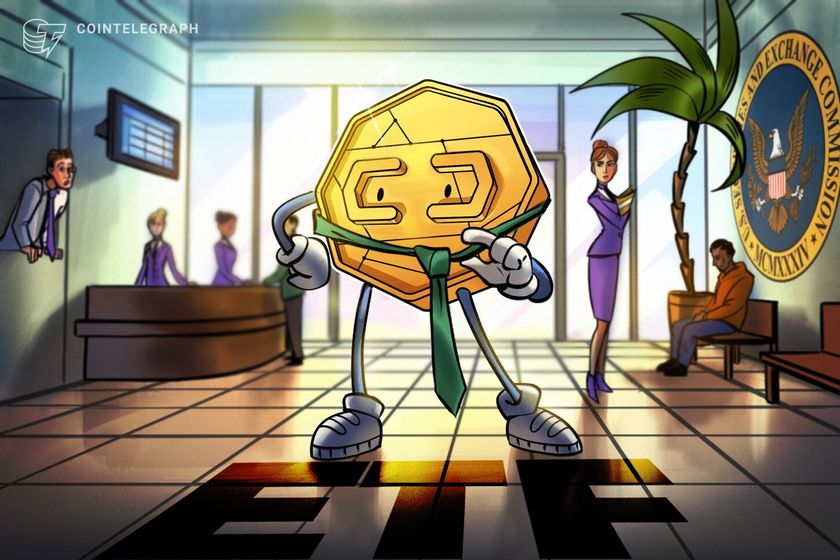
The Securities and Exchange Commission has approved standards that could speed up spot crypto ETF approvals, as each application would not been to be assessed individually. The US Securities and Exchange Commission has approved a set of listing standards for commodity-based trust shares, opening the door for digital asset listings without requiring individual approvals. The decision, detailed in SEC filings on stock exchanges like the Nasdaq, NYSE Arca, and Cboe BZX, on Wednesday, would streamlines the process under Rule 6c-11, significantly reducing approval timelines, which have taken several months in the past. “By approving these generic listing standards, we are ensuring that our capital markets remain the best place in the world to engage in the cutting-edge innovation of digital assets,” SEC Chair Paul Atkins said in a separate statement.It comes as spot ETF applications for the likes of Solana (SOL), XRP (XRP), Litecoin (LTC) and Dogecoin (DOGE) await official approval.The SEC was facing deadlines from October onwards to decide on those cases, in addition to a handful of others.This is a developing story, and further information will be added as it becomes available.Read more

Iran invites global powers to negotiate Strait of Hormuz transit
Trump risks his presidency with a single night of obscenity



